Land became the Republic’s collateral
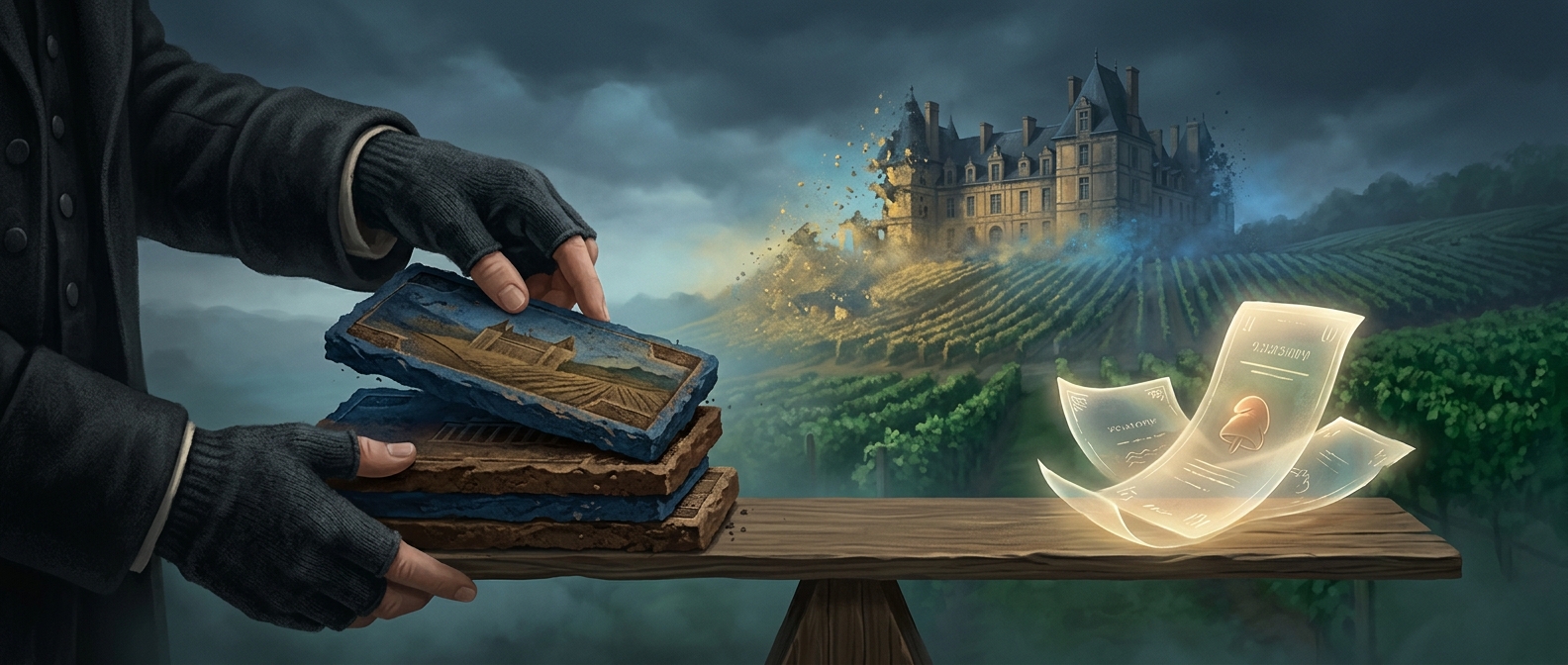
During the French Revolution, the new government took control of Catholic Church property and declared it national land. The state needed money, but it could not quickly sell vast estates to pay its bills. It therefore issued assignats—paper claims initially tied to the value of those lands. Holders could use them to buy property as it came up for sale.
That arrangement turned land into a kind of collateral: the promise behind the paper was that valuable property stood behind it. But a claim on an estate was not the same as a loaf of bread or a coin a shopkeeper could readily spend. Assignats worked as everyday money only so long as people trusted the government to keep their supply and their value in line with that promise.
A land-backed claim became a flood of money
As the Revolution’s financial and political pressures mounted, the government issued more assignats. The paper’s usefulness had outgrown its original connection to specific land sales: people now relied on it to pay wages, settle debts, and buy necessities. Yet the amount of land available for purchase did not expand each time the presses ran.
When more paper chased the same goods, sellers raised prices. And as confidence in the assignat weakened, people were less willing to hold it, spending it quickly or asking for more of it in exchange for goods. That behavior further pushed prices upward. The land backing could not automatically stop this cycle: estates were slow to sell and could not supply food or restore confidence by themselves.
The cost showed up at the market
For households, the collapse was not an abstract dispute over public finance. A wage or a bundle of assignats could lose purchasing power between paydays, while merchants changed prices to keep pace. By 1795, the currency’s loss of value had become so extreme that accounts of bread prices described sums requiring a wheelbarrow’s worth of assignats.
The episode exposed a basic limit of collateral-backed money: valuable property can support confidence, but it cannot make an unlimited supply of paper spendable at its old value.