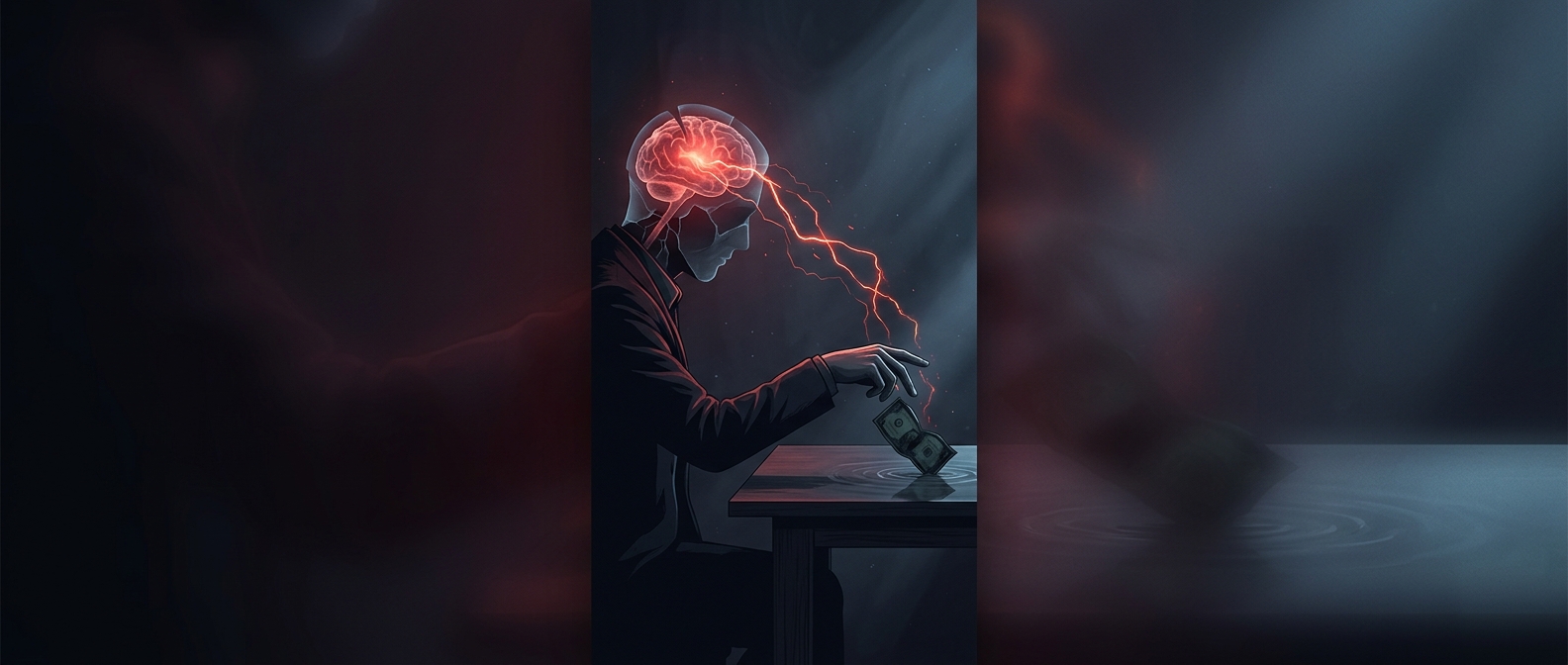
Why card payments can loosen the spending brake
Paying by card separates the moment of buying from the moment money feels gone. With cash, a purchase requires handing over bills or coins; the shrinking wallet makes the cost visible right away. A card turns that same exchange into a tap or swipe, while the actual deduction may appear later in an account or on a bill.
That difference can soften what behavioral researchers call the pain of paying: the small discomfort that helps people notice and weigh a cost. When payment feels less immediate, shoppers may be more willing to add an extra item, choose a pricier option, or make an impulse purchase. The card does not make the goods cheaper; it makes the outflow easier to overlook in the moment.
The design of the transaction matters
Speed and convenience can strengthen the effect. Contactless payments and stored card details remove even the brief pause of counting cash or entering payment information. That can be useful when a purchase is planned, but it also leaves less time for a shopper to reconsider an unplanned one.
The result is not automatic: budgets, alerts, and careful tracking can make digital spending just as visible as cash. But when a person relies on the feeling of money leaving their hand as a warning signal, replacing that moment with a quick tap can weaken the signal—and make small additions to a purchase easier to repeat.