Why a purchase can feel like a loss
A price is more than a number: it is a reminder of what you are giving up. When you hand over cash, the trade is immediate and visible. Your wallet has less in it, and the money can no longer buy something else. That makes the cost hard to ignore at the exact moment you decide whether the purchase is worth it.
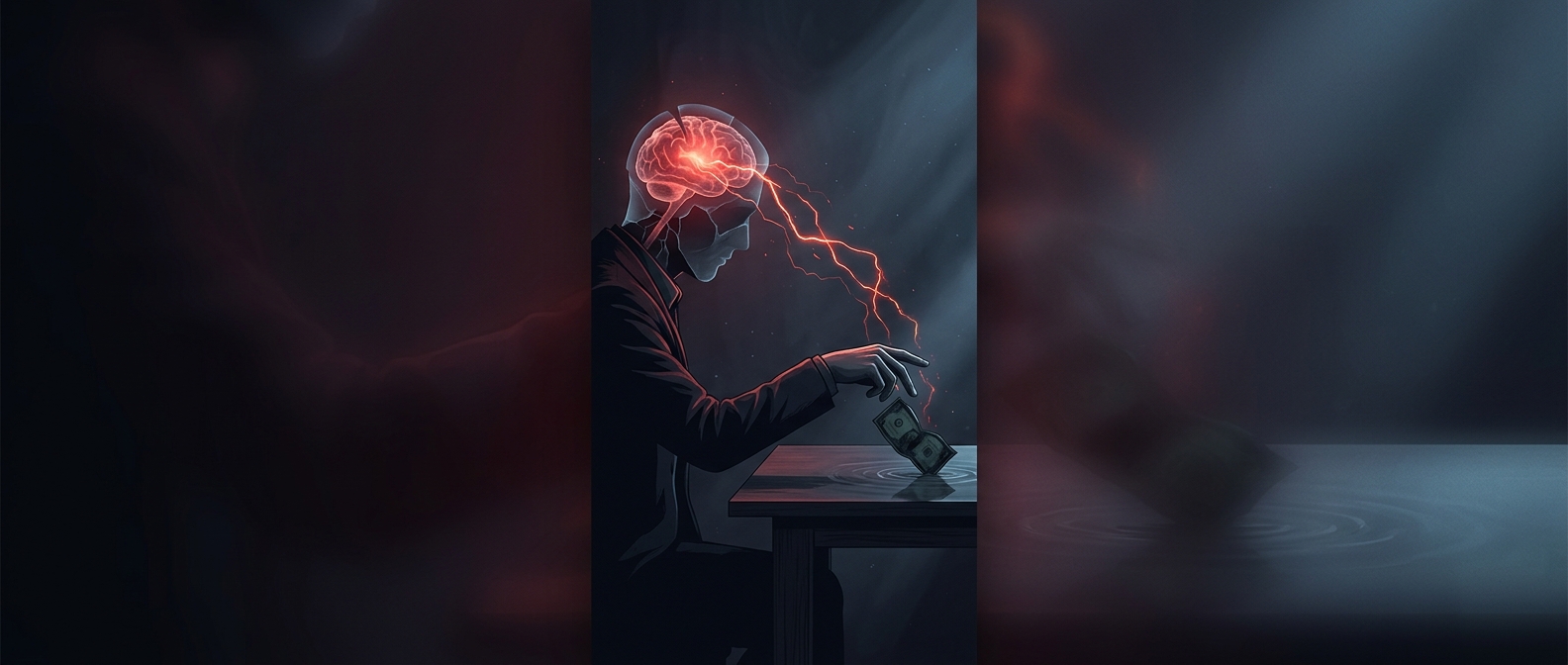
Researchers use “pain of paying” for the discomfort people can feel when spending. Brain scans have associated that moment with activity in the insula, a region involved in processing unpleasant bodily and emotional states. The overlap helps explain why paying may feel aversive, but it does not mean that spending activates the brain’s physical-pain system in a simple, one-to-one way.
Why payment methods change the feeling
Cash makes the exchange concrete: bills leave your hand, and the remaining amount is easy to see. With a card or a digital payment, the transaction can feel more abstract. The cost still exists, but the physical act of handing something over is missing, so it may draw less attention in the moment.
That difference can shape a purchase. When payment feels less immediate, it may be easier to focus on what you are getting and harder to register what you are giving up. Cash, by contrast, can make the tradeoff feel sharper—useful when that extra pause helps you reconsider, uncomfortable when every payment feels like a small loss.
The striking part is that the discomfort is not just about the size of a price tag. It can come from how plainly the payment makes the cost present.