Why Angels Were Put in the Heavens
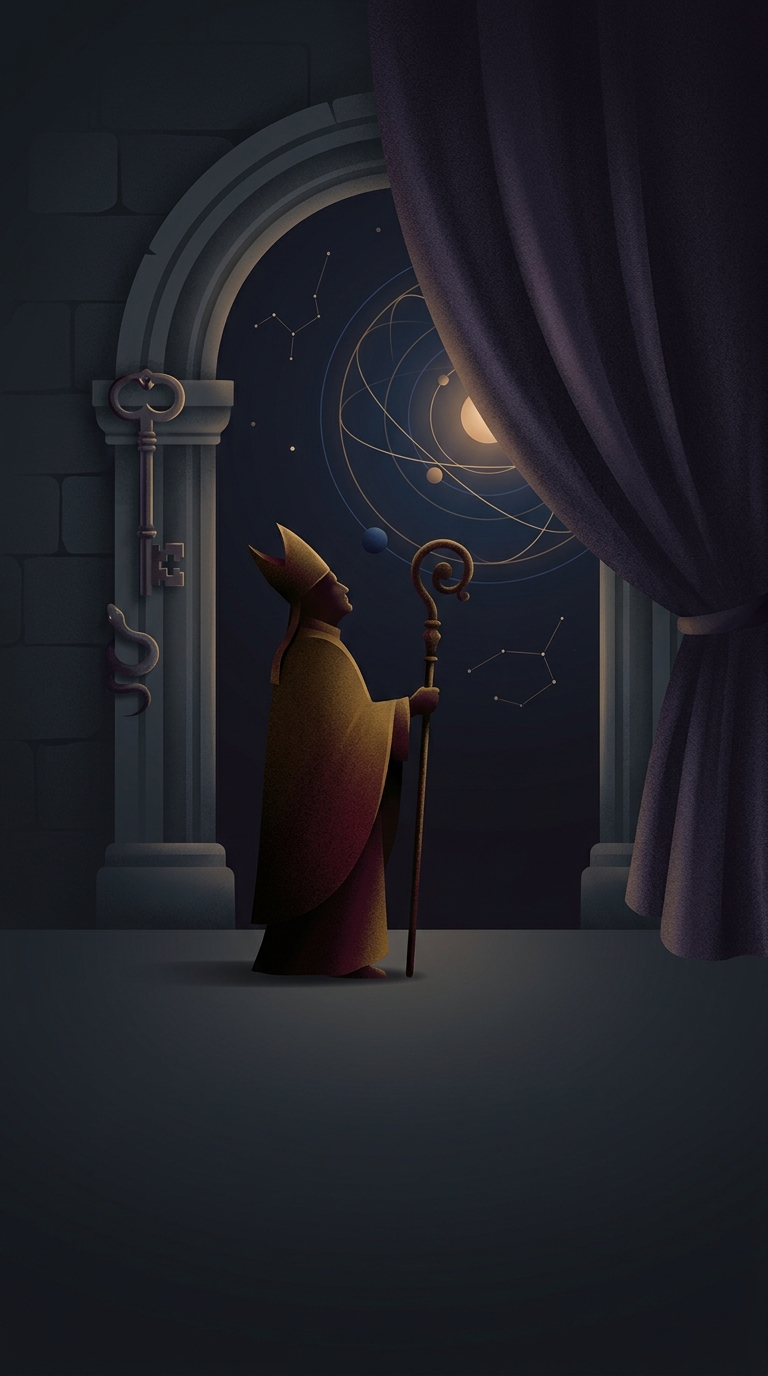
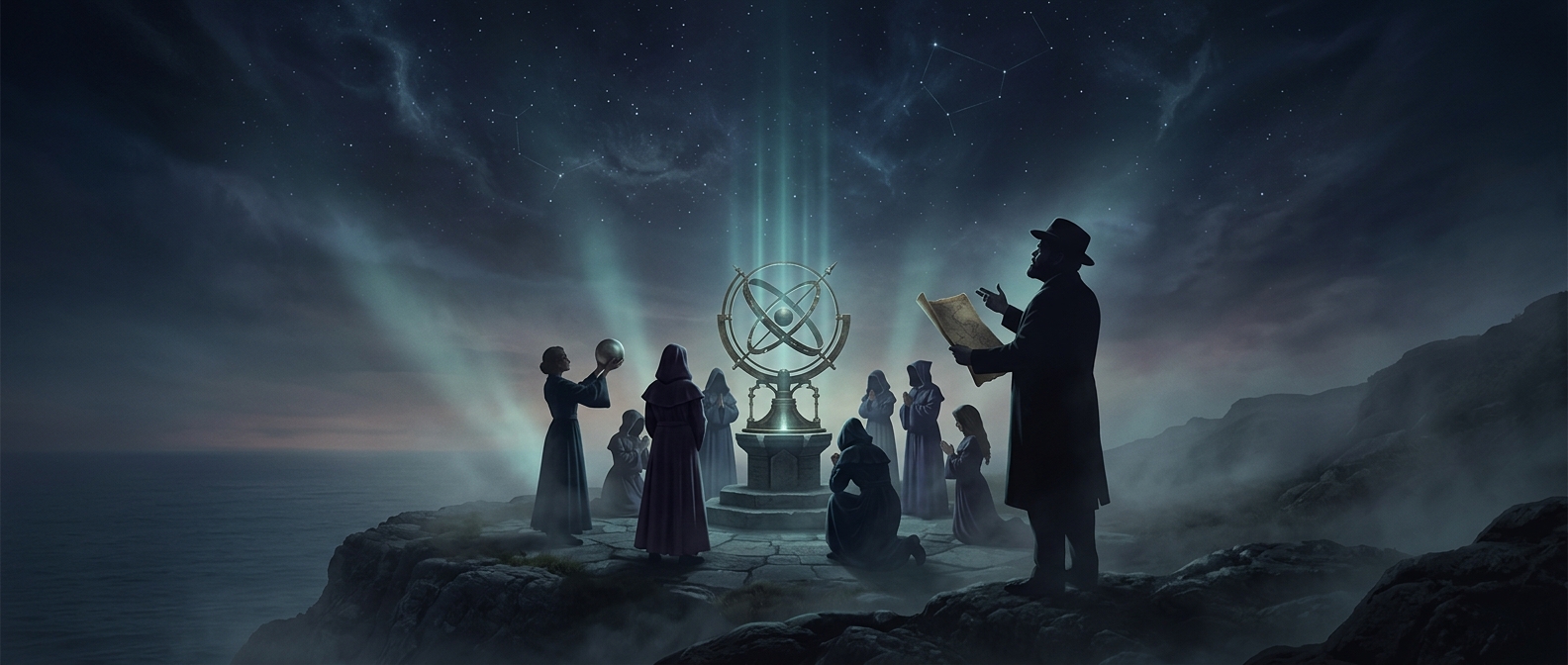
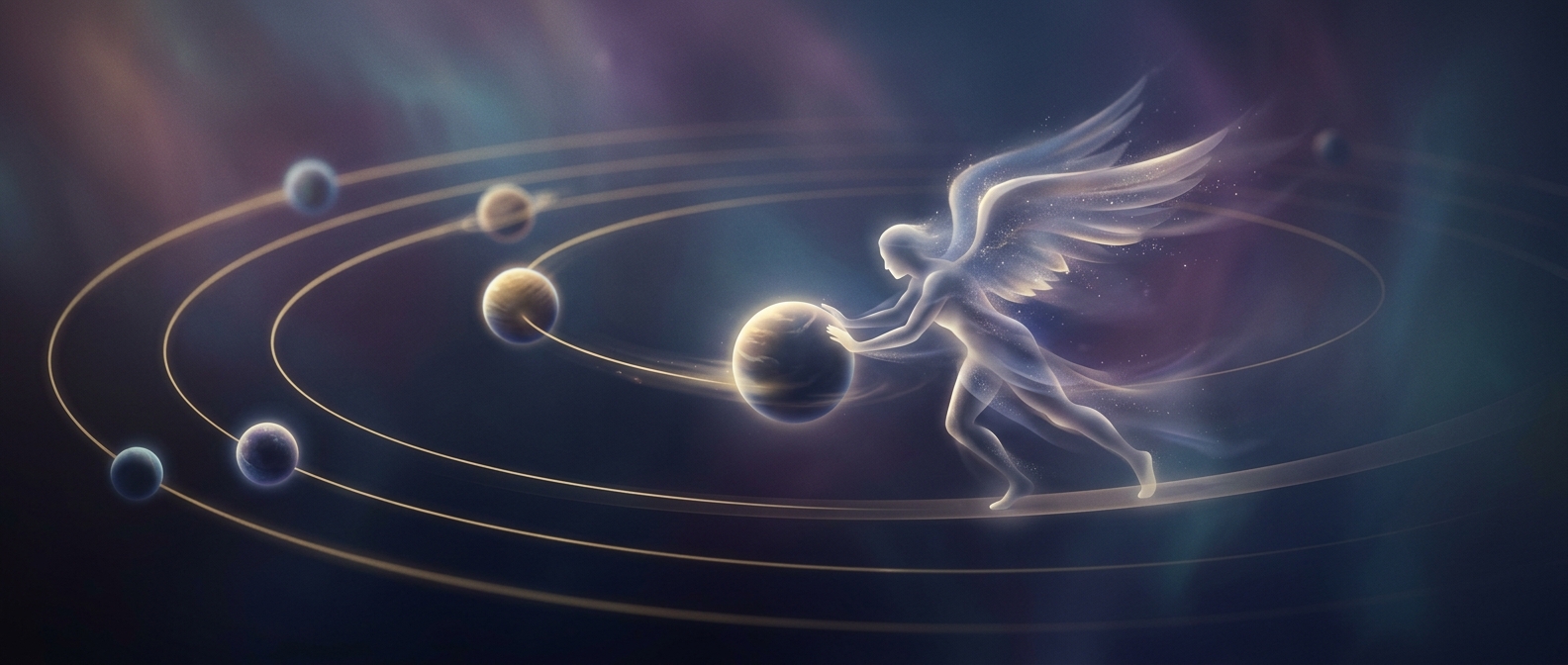
For some Christian thinkers, the sky was not an empty space in which planets wandered freely. It was an ordered system of nested, transparent spheres, each carrying a heavenly body around Earth. The model came largely from ancient Greek astronomy, especially the idea that the celestial motions were regular and circular. Christian scholars could keep that structure while giving its motion a divine cause: spiritual beings, often identified with angels, moved or governed the spheres under God’s direction.
“Pushing” is a useful shorthand, but it need not mean angels were imagined as invisible hands physically shoving planets. In medieval accounts, an angelic intelligence could be the sphere’s mover in a more abstract sense: the cause of its motion and part of the hierarchy that linked the created world to God.
Where Astrology Fit—and Where It Didn’t
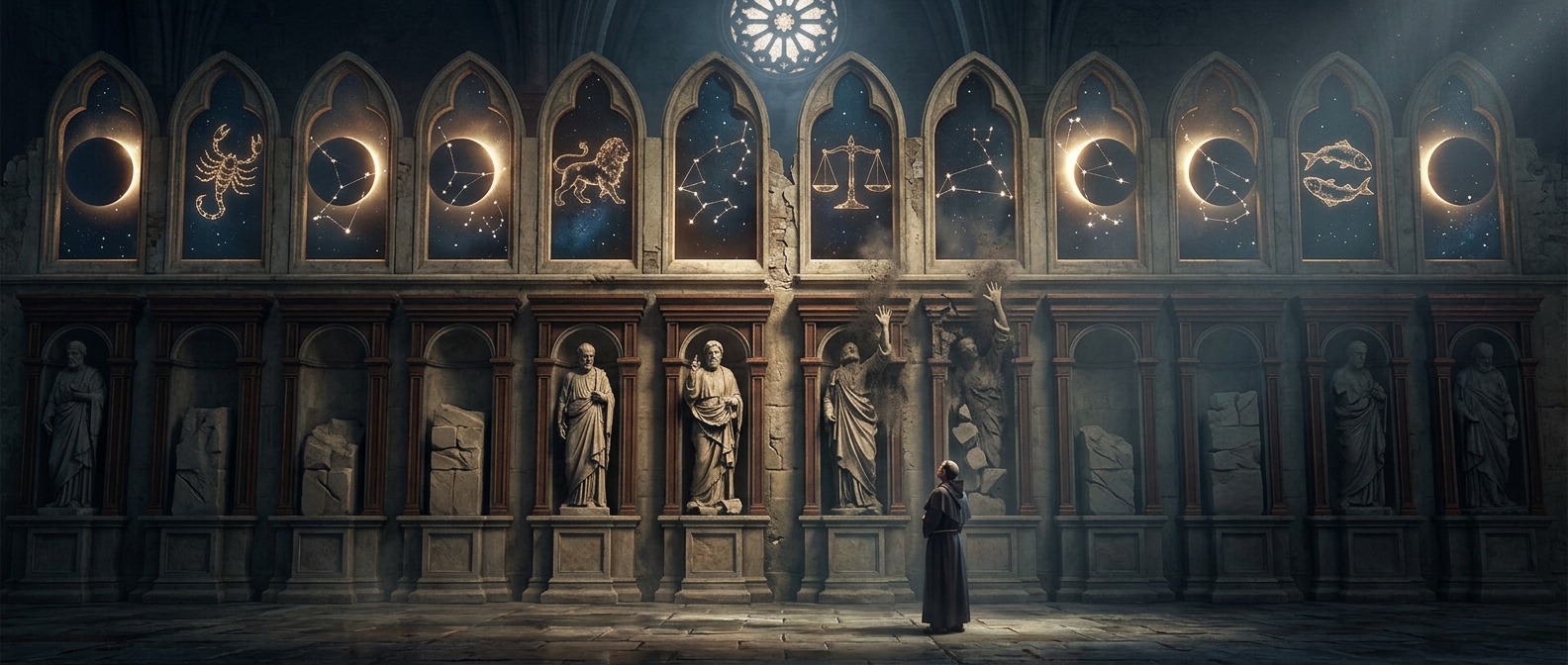
The arrangement also offered a way to discuss astrology without treating the stars as independent powers. If celestial bodies influenced events on Earth, their influence could be understood as part of a created order rather than as a rival to divine authority. The heavens might carry signs or correspondences, while God remained the ultimate source of power.
That did not settle the matter. Christian writers disagreed about how much the stars could affect human life, and whether astrological predictions threatened free will. The angelic-sphere model was therefore not a single official doctrine, nor did every theologian accept every astrological claim. It was one attempt to make the regular motions of the planets fit within a Christian account of a purposeful universe.
A Cosmic Order You Could Picture
The model made an invisible chain of cause and meaning imaginable: God, spiritual movers, celestial spheres, and the world below. Later astronomy replaced the Earth-centered spheres with a very different account of planetary motion. But the old image reveals the question its creators were trying to answer: if the heavens move in an orderly way, what—and who—keeps them moving?