A mountain chain hidden beneath the sea
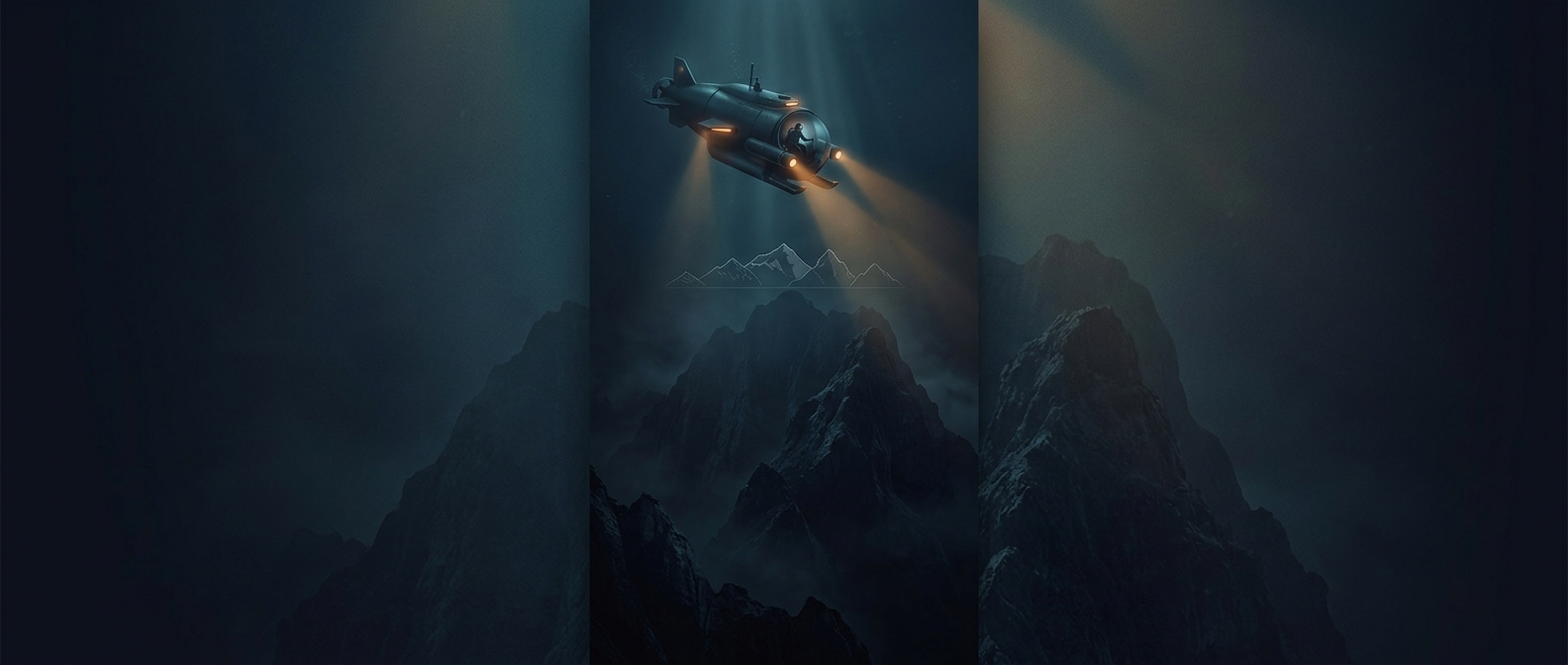
The mid-ocean ridge is not one continuous wall of rock but a connected system of underwater mountain ranges. It winds across the ocean floor, mostly out of sight beneath thousands of feet of water. Its peaks and valleys are rugged, but the ridge is also a place where Earth’s crust is continually being made.
Where plates pull apart, new seafloor forms
The ridge traces boundaries where tectonic plates—the enormous slabs that make up Earth’s outer shell—move away from one another. As they separate, hot material from deeper inside Earth rises to fill the opening. It cools into new oceanic crust, gradually pushing older seafloor outward on both sides.
That process is called seafloor spreading. It helps explain why the ridge stretches through ocean basins around the planet: it marks a vast network of places where the seabed is being renewed. The rising rock and movement of the plates build the ridge’s long, uneven backbone, though the exact shape varies from one section to another.
A landscape that keeps changing
The ridge is more than a distant underwater landmark. It is an active boundary in Earth’s surface, where volcanic activity and earthquakes can accompany the movement of plates. Along some parts of the ridge, cracks in the seafloor allow heated water to rise and spill back into the ocean, creating hydrothermal vents.
Because most of this terrain lies in deep water, its scale can be easy to miss on a map of the world above the waves. Yet beneath the ocean, a chain of peaks marks the slow, ongoing creation of new seafloor.