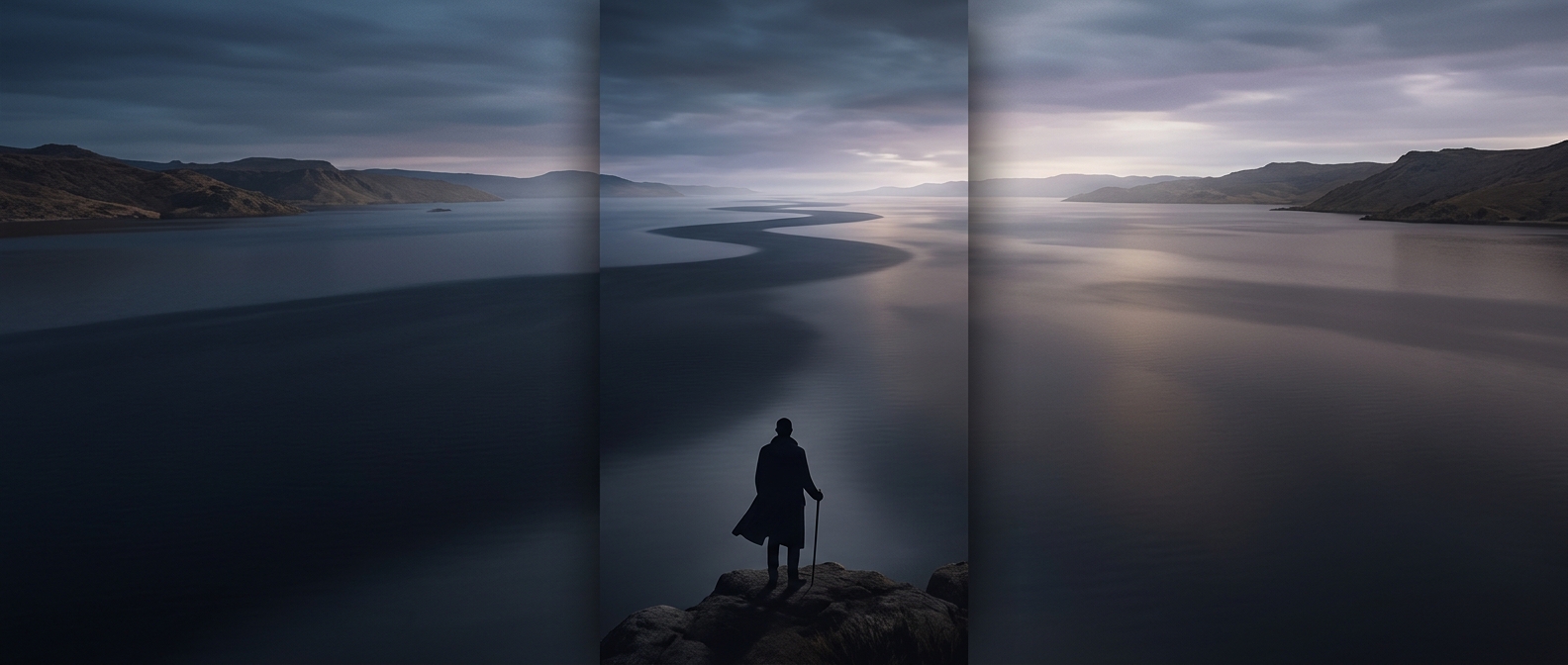
The lake has a hidden moving layer
Tanganyika’s long, steep-sided basin is part of the East African Rift, where Earth’s crust has pulled apart and sunk. That shape matters beneath the surface: the lake is deep enough for its water to settle into layers, with warmer water above and colder, denser water below. The boundary between them is called a thermocline.
The Moon and Sun tug on the lake just as they do on the ocean, but the visible rise and fall at the shore is not the whole story. Tidal forces can also tilt and rock the thermocline, sending a slow wave through the lake’s interior. These waves are internal tides: movement within the water, rather than a large swell at the surface.
Why a wave inside the lake matters
As an internal tide passes, it can shift deep water up or down and help mix layers that would otherwise remain separated. That movement can carry nutrients and oxygen between depths, influencing the conditions where aquatic life lives. The effect is less obvious than surf breaking on a beach, but it is one reason a lake can have ocean-like dynamics without looking oceanic from shore.
For people traveling along Tanganyika, the immense basin is both a landscape and a waterway. Its surface may appear calm while a much larger motion is unfolding below—an unseen consequence of the lake’s depth and rift-shaped form.