A rift valley turned into a water vault
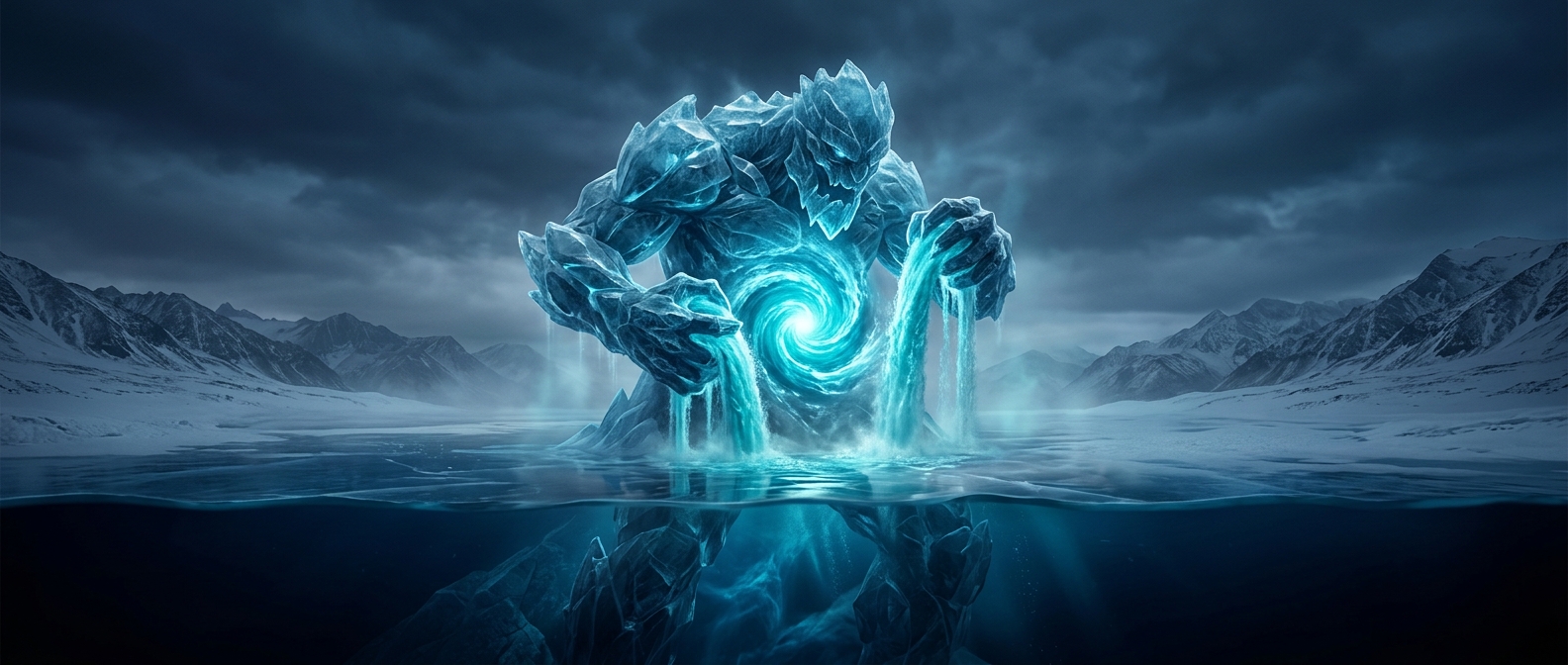
Lake Baikal’s extraordinary capacity begins beneath its surface. It occupies a rift valley—a long depression formed as sections of Earth’s crust slowly pull apart. The basin is exceptionally deep, reaching about 1,640 meters, so it stores an immense volume without spreading across a vast, shallow plain.
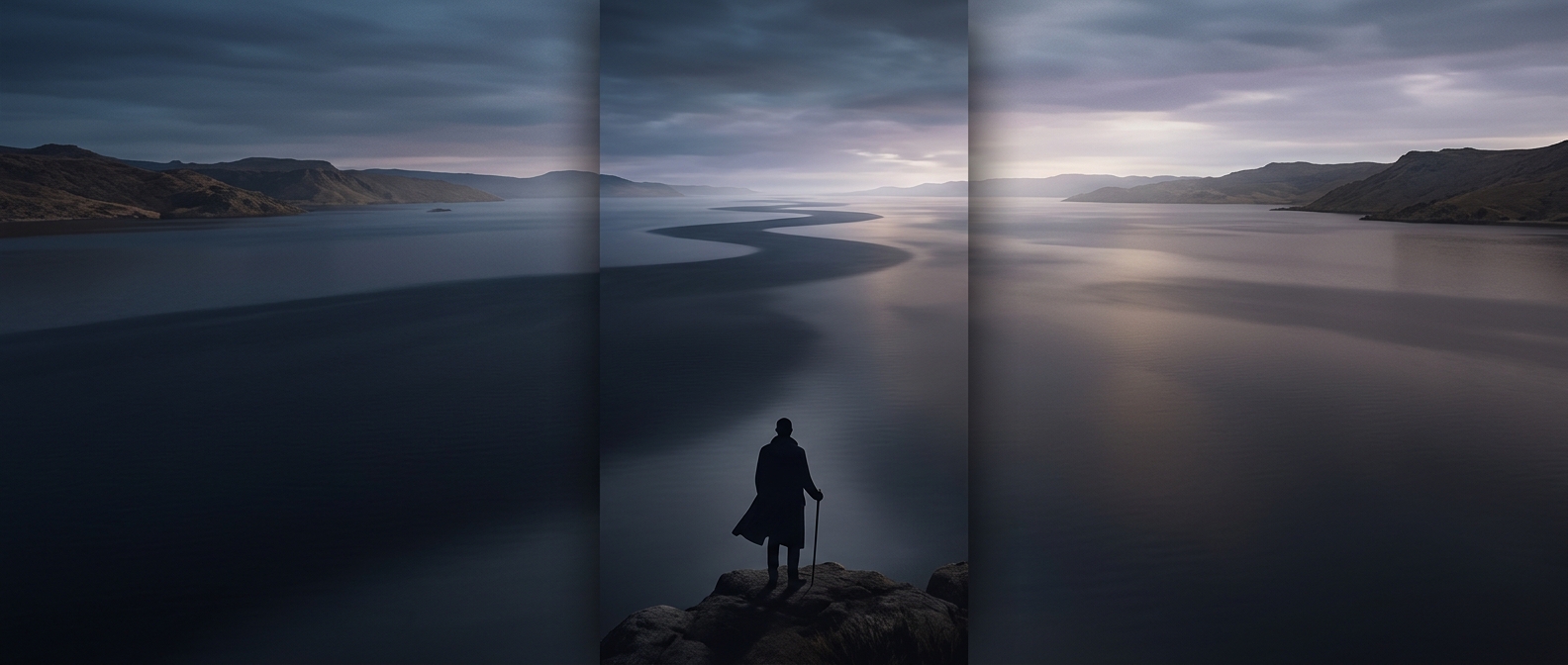
That depth also shapes the experience of the lake. From shore, Baikal can look like an inland sea, but its scale is hidden below: steep underwater slopes drop into a basin that has continued to deepen and collect sediment over geological time.
Why the water stays fresh
Baikal is fed by hundreds of rivers and streams, while the Angara River carries water out. That continuing flow helps keep dissolved minerals from building up the way they do in a closed basin with no outlet. The result is a huge reserve of unfrozen freshwater, not a salt lake.
Its isolation has also made the lake a distinctive habitat. Many of its species are found nowhere else, including the Baikal seal, a freshwater seal whose presence reflects how long this deep basin has remained a separate ecosystem.
For travelers, the striking view from the shore is only part of the scale. The lake’s defining feature is the hidden depth beneath that open horizon—a tectonic valley functioning as one of Earth’s largest natural freshwater reservoirs.