How a village apparition became a public event
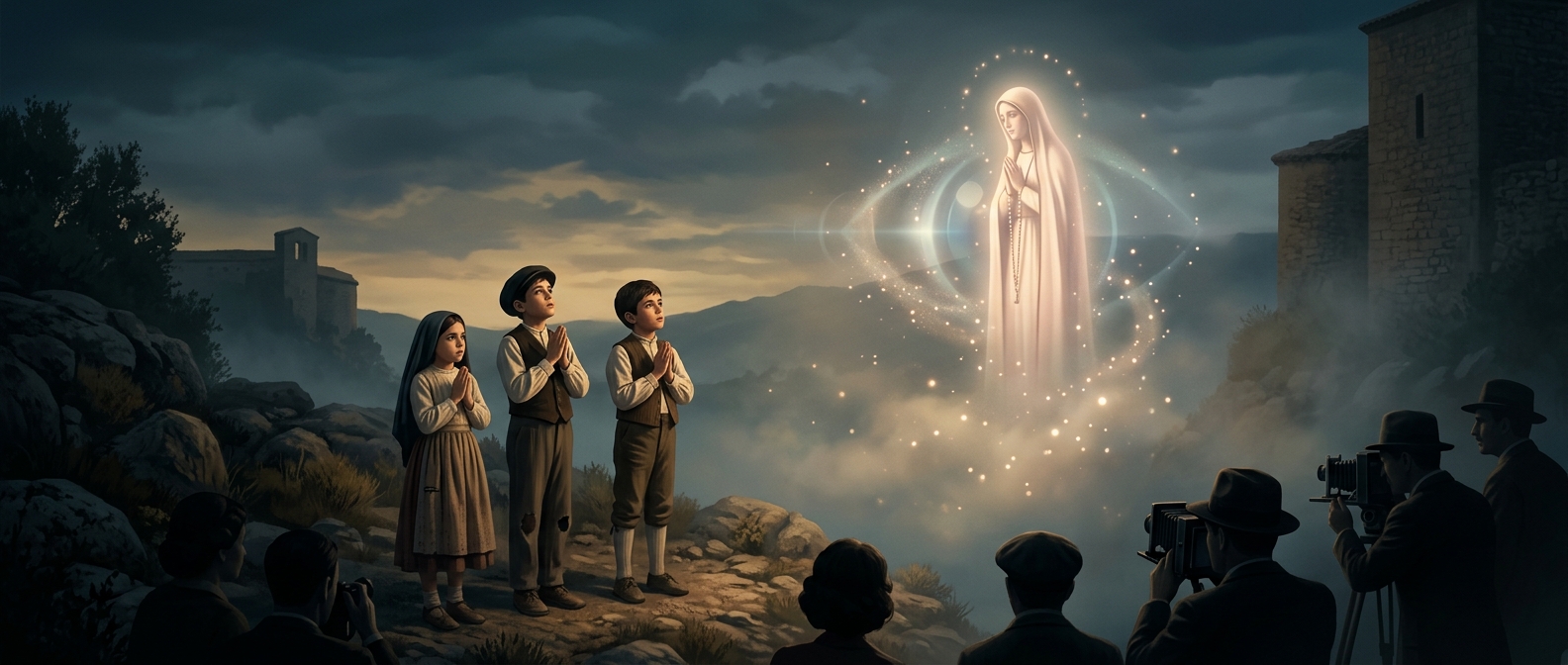
The Ezkioga visions emerged in 1931, when Spain’s new Second Republic was bringing secular reforms into a society where Catholic identity remained deeply important. Reports that children had seen the Virgin Mary drew attention far beyond the village. Once visitors and journalists arrived, a private claim became a spectacle with an audience—and a political charge.
That setting helps explain why the episodes could grow. A reported vision invited people to gather, watch, and interpret what happened. The children at the center gained notice; other adults, in turn, could describe their own trances or messages before an increasingly engaged crowd. Public attention did not merely report the visions; it helped create the conditions in which more people could participate in them.
Visions with a political edge
Some messages were understood as warnings against the Republic’s secular direction. That made the gatherings meaningful to Catholics alarmed by political change, while also making them controversial: a supernatural claim could be taken as support for a political position. The visions therefore became more than a question of whether anyone had seen Mary. They offered a way for religious fears and political opposition to appear as revelations.
The episode’s lasting interest lies in that feedback loop: claims attracted coverage and crowds, and the crowds made further claims more consequential. In Ezkioga, an ecstatic trance could become both a personal religious experience and a public statement about who should shape Spain’s future.