The curb became a managed resource
Before parking meters, a driver could leave a car in a valuable downtown spot for much of the workday. That made the curb effectively unavailable to shoppers and other visitors who needed only a brief stop. The problem was not simply a shortage of parking: it was that the same few spaces were occupied for hours while demand kept arriving.
A meter changed the terms of that competition. By charging for time and limiting how long a car could remain, it made a long stay costly and encouraged drivers to move along. The space could then serve several short visits over the course of a day instead of one all-day park.
A small device, a new traffic rule
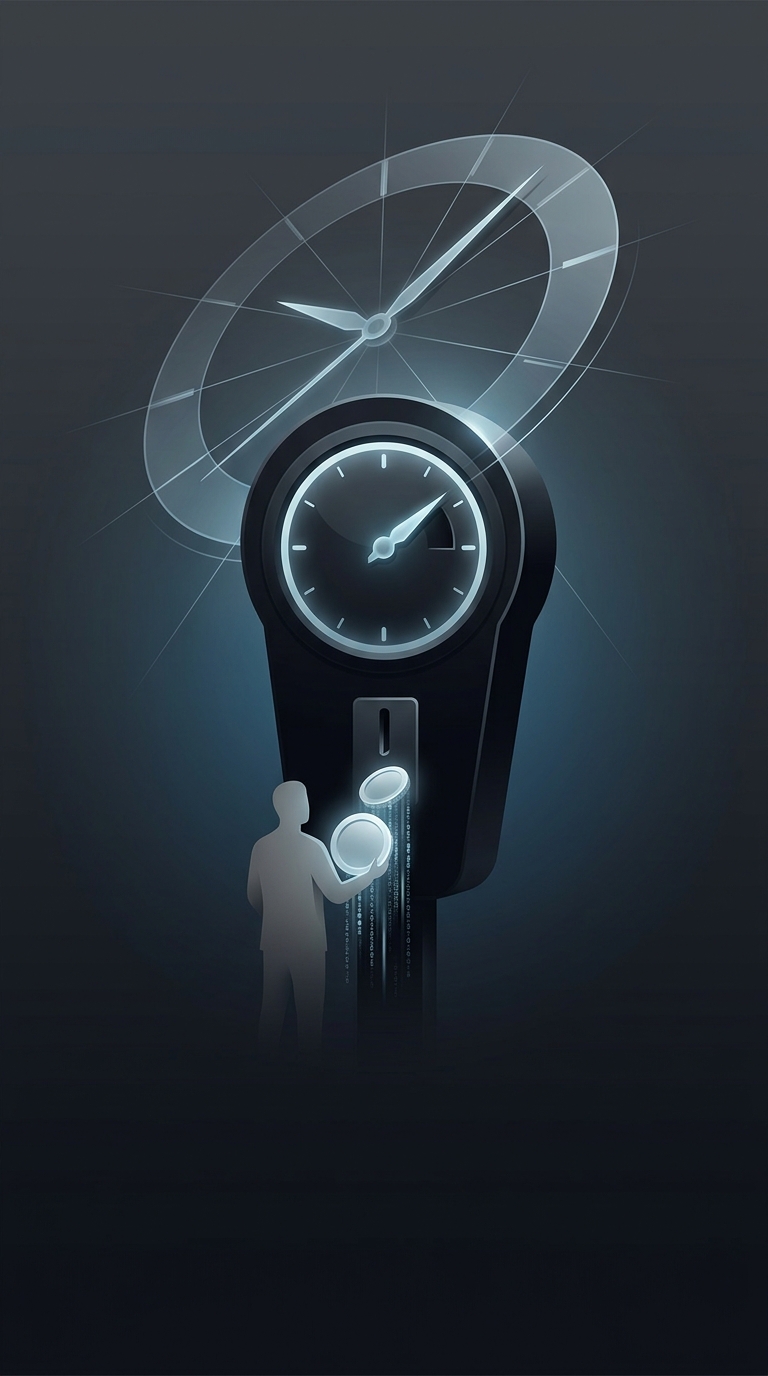
The first meter did more than collect coins. It made a parking limit visible and enforceable at the exact place where it mattered: the curb. Drivers could see that the spot was temporary, and officials had a practical way to check whether a car had stayed too long.
That arrangement helped downtown businesses by improving the chance that a customer could find a nearby space. It also imposed a tradeoff: workers who had relied on leaving their cars there all day now had to pay for the privilege or find somewhere else to park. The meter turned curbside parking from an informal first-come arrangement into a timed, priced use of scarce street space.