One Developer, One Connected Game
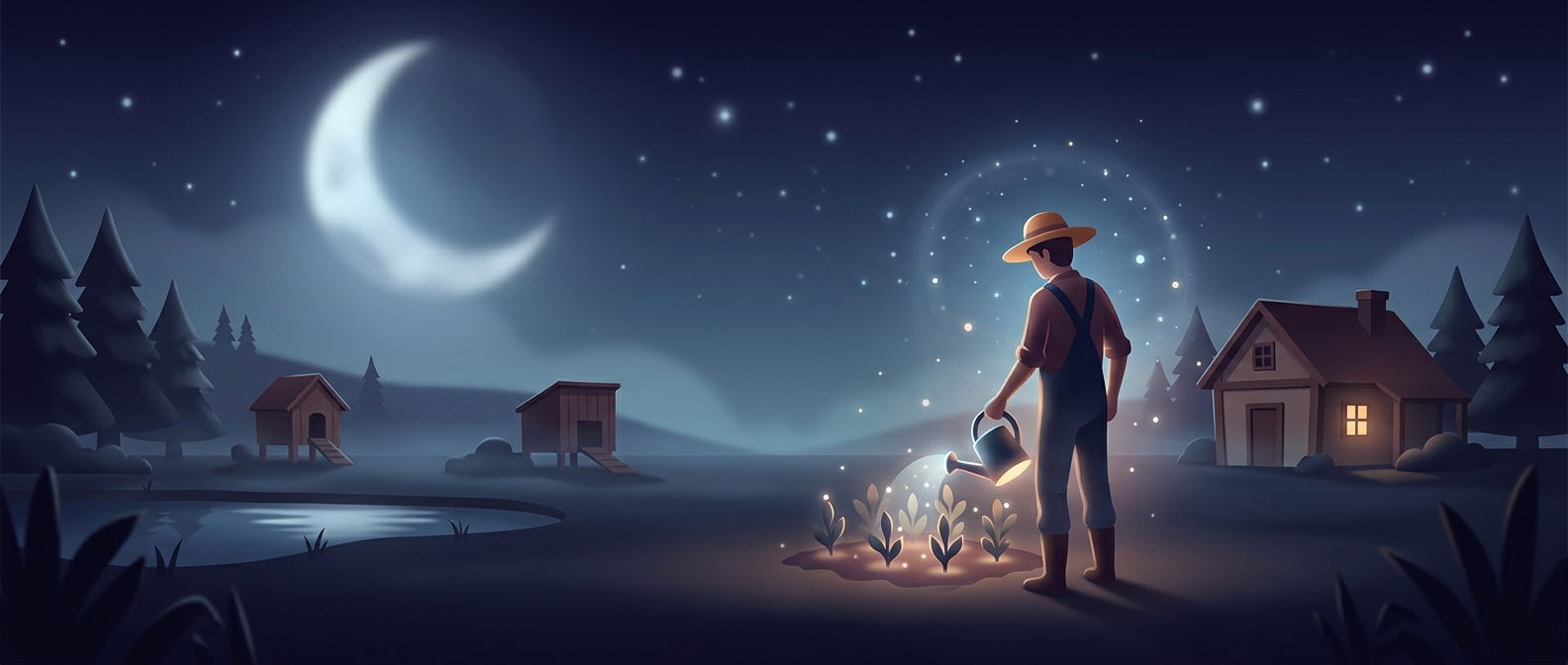
Stardew Valley is more than a collection of handmade pictures and code. Its central systems—planting crops, tending animals, building relationships, exploring caves, and moving through changing seasons—keep affecting one another. A crop takes time to grow; the calendar shapes what can be planted; and the day’s limited hours force players to choose what to do next.
When one person builds all those parts, the work includes making them fit together. The same developer can adjust a crop’s growth time, redraw its appearance, and revise how it fits into the game’s daily rhythm without coordinating separate teams. That does not make the work simple: coding, art, music, and design each require different skills. But it gives the creator direct control over how they meet.
The Cost of Working Alone
A solo developer also becomes the bottleneck. Every new feature competes for the same person’s time, and a change in one system can require updates elsewhere. Making a new season, for example, means more than changing the scenery: the game’s crops, routines, and atmosphere all need to support the shift.
Barone’s girlfriend supported him financially while he worked instead of taking a regular job. That support helped make sustained development possible, but the arrangement also meant years of labor rested on one person’s capacity to keep going. The finished game’s many interlocking details are therefore not just evidence of a large workload; they reflect a production process in which one creator could carry an idea from code and artwork through to music and play.