A message sent through the network’s quiet channel
SMS was built into the GSM mobile-phone system as a way to carry brief text messages alongside ordinary voice service. Rather than requiring a phone call, a text could travel through the network’s signaling system—the communications used to manage connections between phones and cell towers. The network could hold a message and pass it on when the destination phone was reachable, a process known as store-and-forward delivery.
That design made texting possible before phones were designed around typing. The first message was entered on a computer because the handset at the receiving end had no practical way to compose a reply. The connection could deliver a message to the phone, but the device itself was not yet a two-way texting tool.
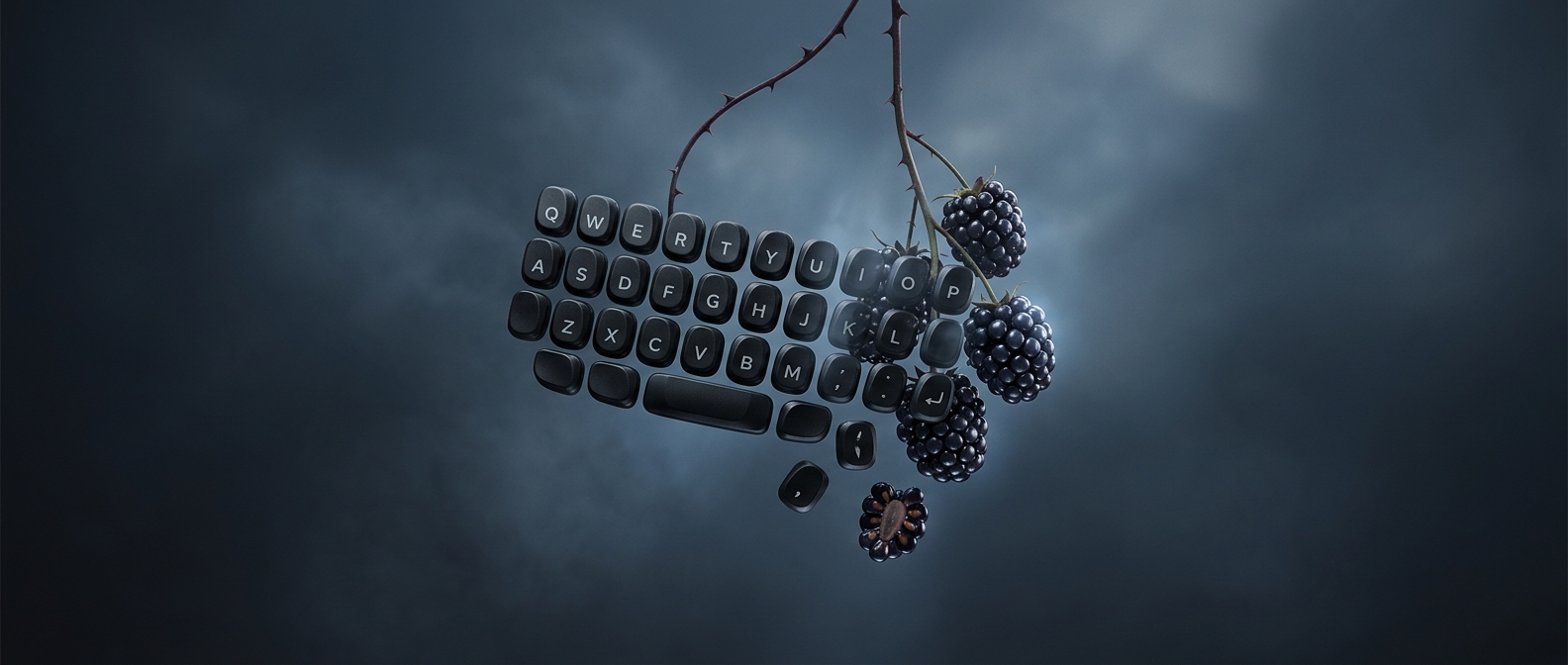
The keyboard was the missing half
Early mobile phones generally had number keys, not full alphabetical keyboards. Later phones made letters available through repeated presses of number keys—a method often called multi-tap—but even that was slower and less natural than typing on a computer. Texting’s usefulness therefore depended not just on network capacity, but on gradually changing the handset interface.
This is why the first SMS is more than a small milestone in mobile messaging: it shows the gap between a network feature and a habit people can actually use. The network could already carry a short written message; the everyday act of sending one had to wait for phones that made composing and replying convenient. The first text reached its destination, but its recipient could not send the simplest thing a modern texter expects: an answer.