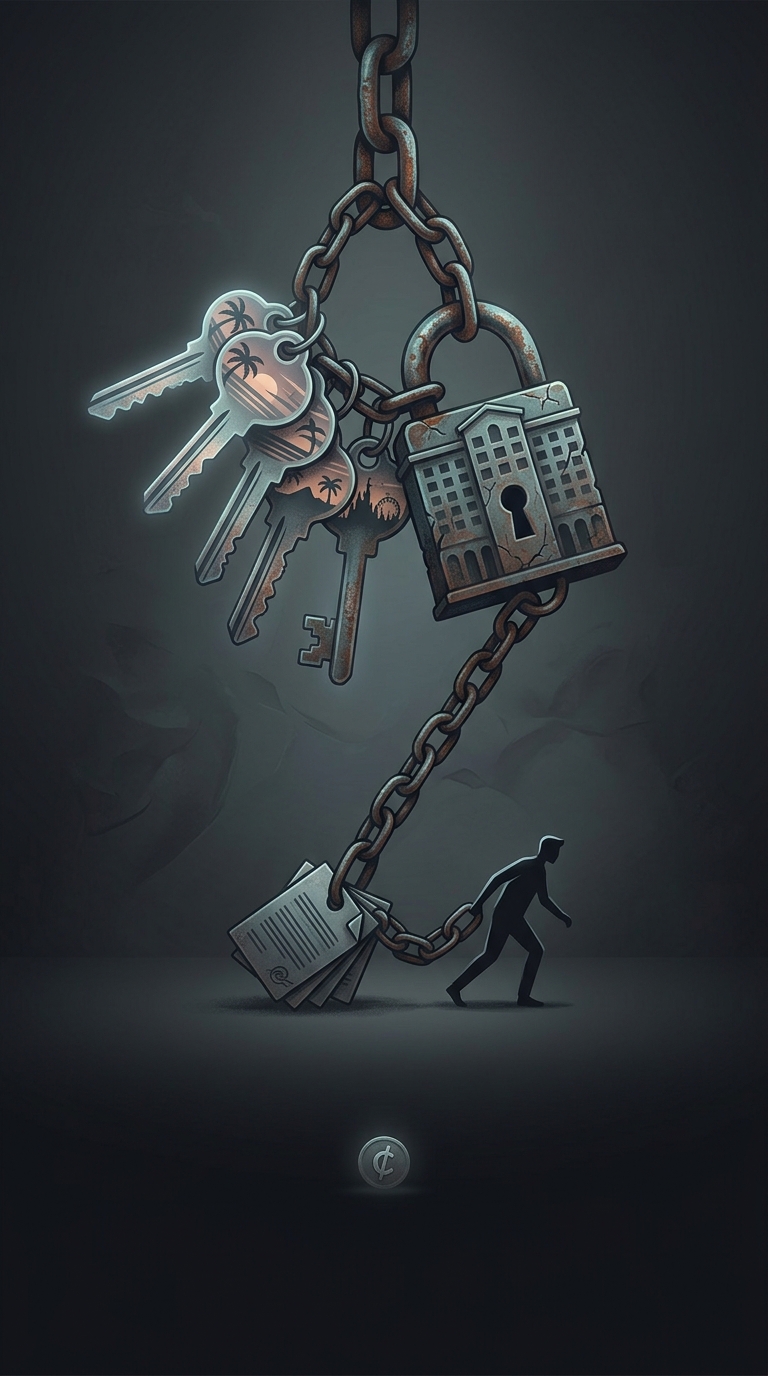
Why a short presentation can run long
A free-ticket offer is usually tied to attending a sales presentation, not simply picking up a ticket. The presentation introduces a timeshare: an arrangement in which buyers pay for the right to use vacation property, often alongside other owners. The ticket rewards you for showing up; it does not necessarily mean the meeting will end when the advertised 90 minutes are up.
The sales process has room to expand
A presentation may begin with an overview, then move into questions about where and how often you travel. That conversation helps a salesperson frame a vacation plan around your preferences. If you hesitate, the pitch can continue through more explanations, offers, or attempts to address your objections. Each step may feel like a separate reason to stay, even as the clock keeps moving.
The gap between the advertised time and a four-hour visit can matter because the ticket’s value is easy to calculate, while the cost of losing most of a day is less obvious when you arrive. A free ticket can therefore come with a substantial time commitment—and an extended stretch of face-to-face pressure to make a purchase.
Treat the time limit as a key term
Before accepting, ask what attendance requires, whether the stated duration is guaranteed, and what happens if you leave early. Get the conditions in writing if possible, and leave room in your schedule. The practical question is not only whether the tickets are free, but whether you are willing to trade hours of your trip for them.