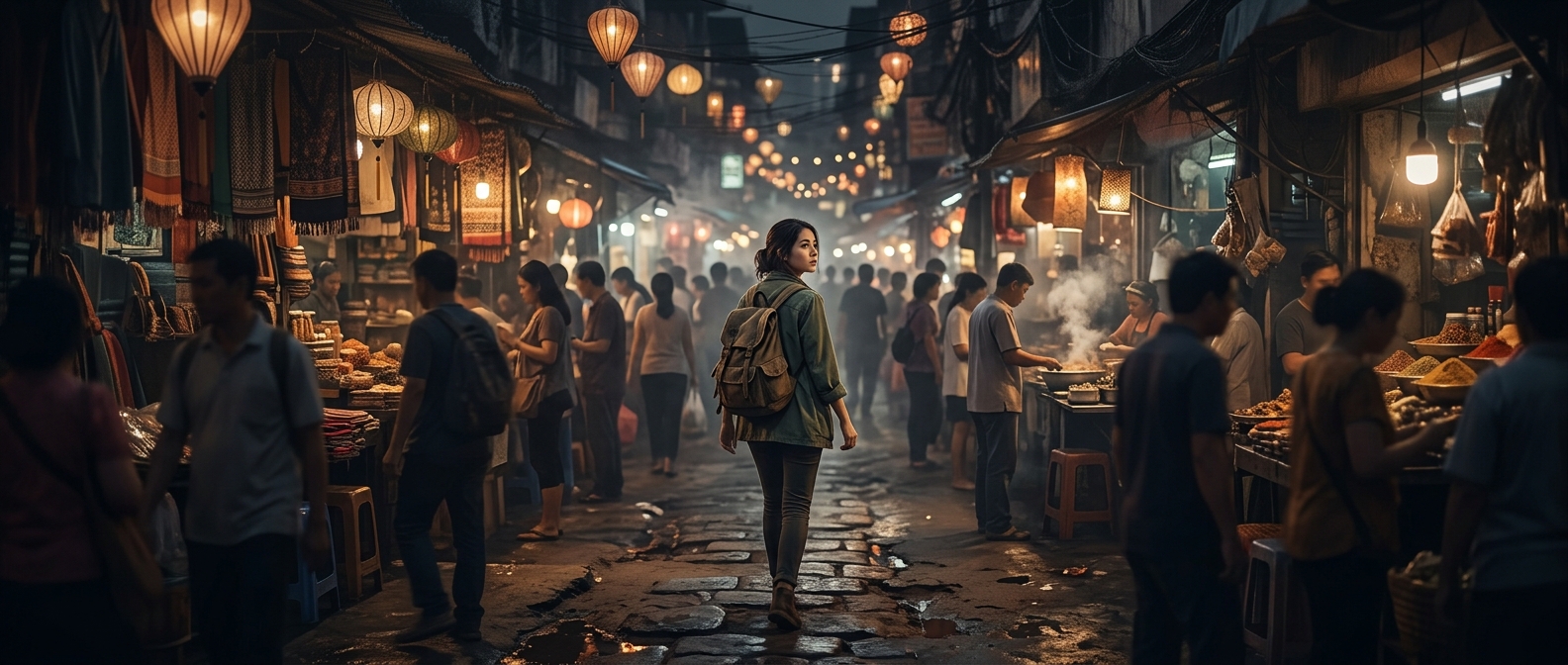
Why the “Hidden Gem” Can Feel Staged
A market becomes a tourist destination partly because it is easy to find, easy to navigate, and full of things visitors recognize as souvenirs. Those same qualities make it attractive to sellers serving a steady stream of short-term customers. Over time, the stalls may shift toward products that are inexpensive to stock, simple to carry, and familiar to buyers—even when they have little connection to the place.
That shift does not necessarily happen through a deliberate plan to deceive. A vendor facing higher rent or unpredictable sales may choose reliable imported goods over locally made items that take longer to produce or sell. If several sellers make the same practical choice, a plaza can acquire a uniform, polished look that reads as “local culture” while reflecting the economics of tourism more than everyday life nearby.
What Visitors Are Actually Looking For
“Authentic” can mean different things: an object made locally, a place used by residents, or an experience that feels unperformed. A busy market may offer one of these and not the others. A locally run stall might sell imported merchandise; a traditional craft might be produced mainly for visitors; and a quiet neighborhood shop can still cater to tourists.
The more useful question is often not whether a place is untouched by tourism, but who benefits from the exchange and what the purchase supports. Asking where an item was made, or looking for a workshop where goods are produced, can reveal more than a market’s rustic décor. So can noticing whether the same products appear stall after stall.
The Tradeoff Behind the Plaza
Tourism can help sustain local businesses and crafts, but visitor demand also rewards what sells quickly and looks legible to outsiders. The result is not simply “real” versus “fake”: it is a marketplace shaped by competing needs—income for sellers, convenience for travelers, and the desire to keep local practices viable. Sometimes the clearest sign of a place’s character is not its souvenir display, but the ordinary work and shopping happening just beyond it.