Why Venice began charging some day visitors
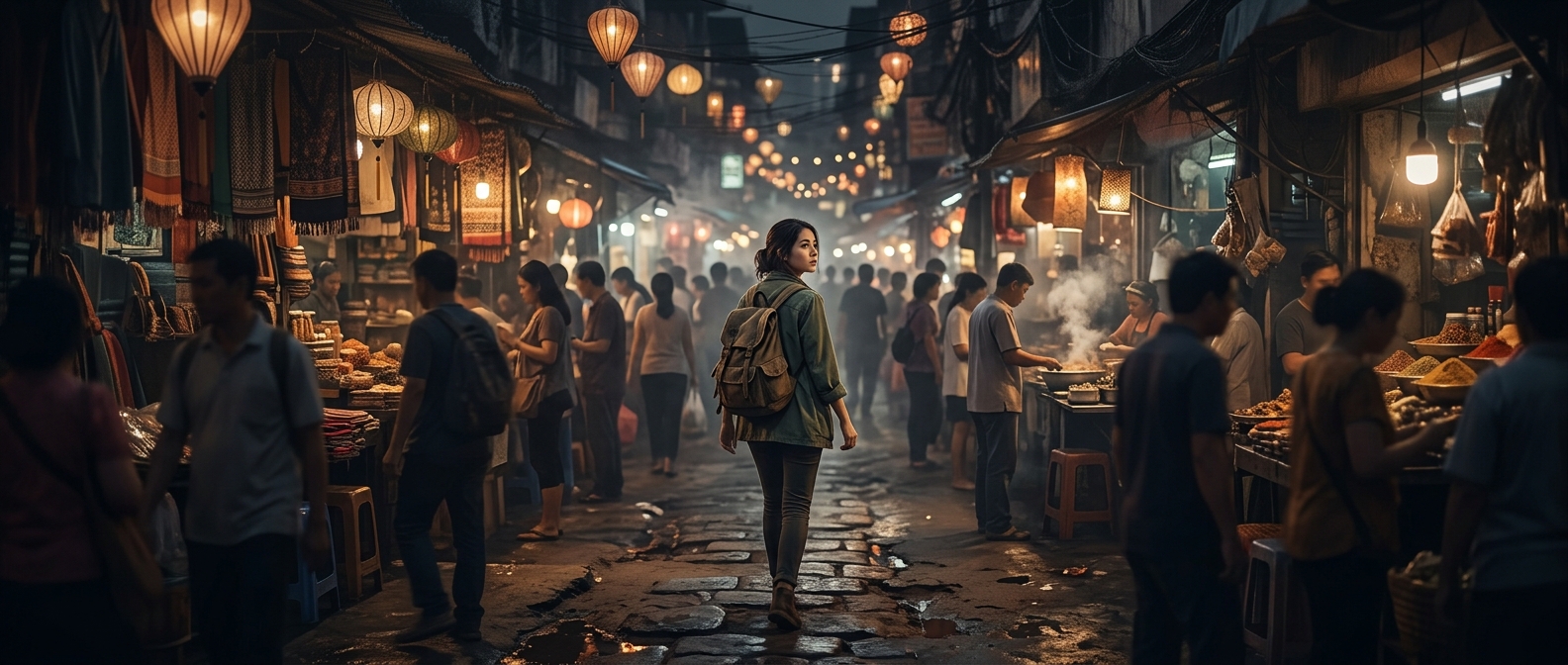
Venice’s access fee is a response to a problem created by the city’s appeal: many visitors arrive for only a few hours, often at the same time, then leave without staying overnight. Their numbers can crowd narrow lanes, bridges, and vaporetto stops—the waterbuses that serve as public transit—while adding pressure to a fragile historic center with limited space and infrastructure.
The charge is meant to make a day trip more visible and manageable, not to turn Venice into a privately gated attraction. It applies on designated busy days to certain visitors who are not staying overnight; residents and some other groups are exempt. The details can vary, so travelers need to check the rules for their visit.
A fee that also measures demand
A small payment alone cannot prevent overcrowding. The broader experiment gives the city a way to register day-tripper traffic and test whether a price can encourage some people to visit at quieter times or stay longer. Overnight guests are handled differently, in part because they already pay a separate accommodation tax.
That distinction reflects the city’s practical dilemma: Venice needs tourism, but a short visit can concentrate crowds without bringing the same direct contribution to local services as an overnight stay. The fee is an attempt to spread some of those costs while giving officials better information about when pressure is greatest.
The tradeoff behind the “theme park” comparison
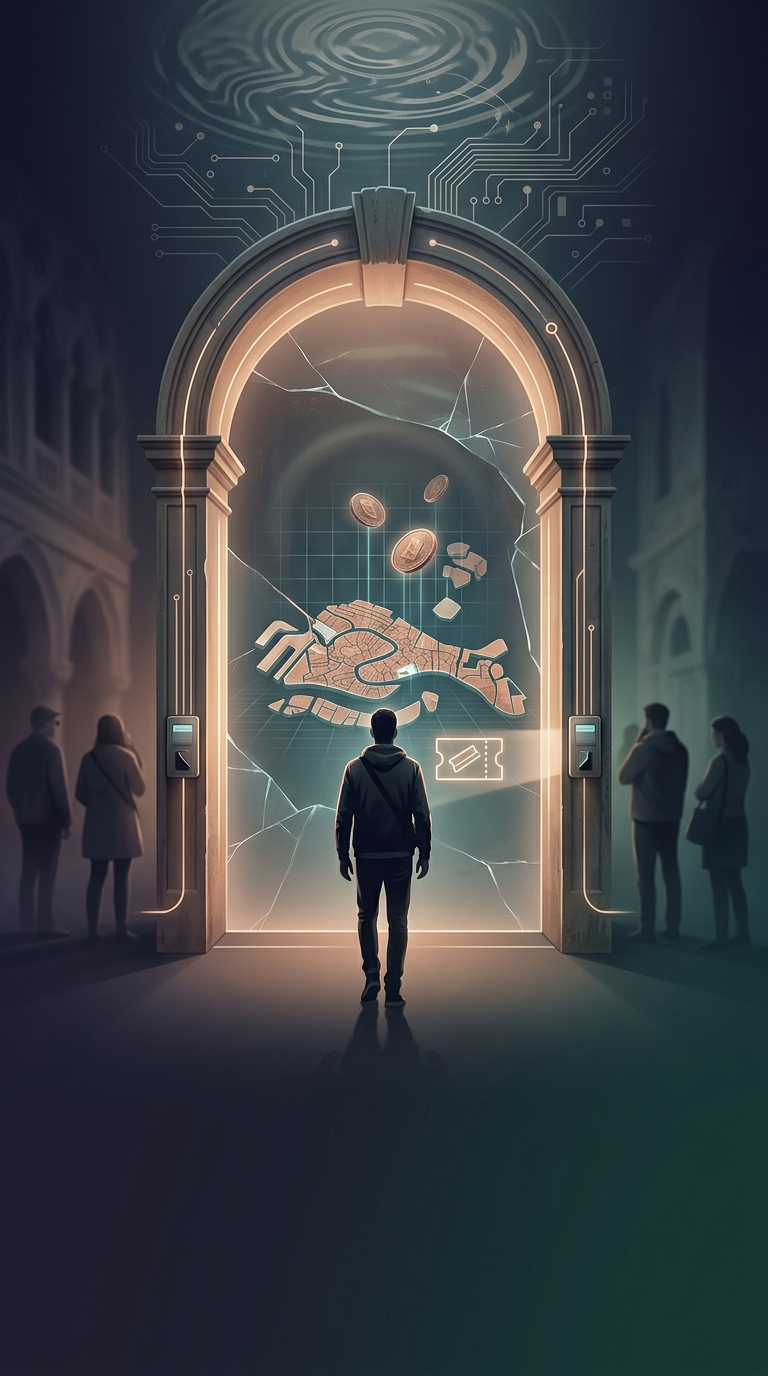
The system can feel like a ticket to enter a city because Venice has a finite number of routes through its most visited areas. But the fee does not reserve a place in the lanes or guarantee a less crowded day. Its real test is whether it changes visitor behavior enough to ease pressure without making access feel like a privilege for people willing to pay.
For Venice, the stakes are unusually tangible: when a surge of day visitors fills a bridge or a narrow street, residents and workers have to use that same bottleneck to get home, deliver goods, or reach the next stop.