When Visitor Numbers Outrun Local Capacity
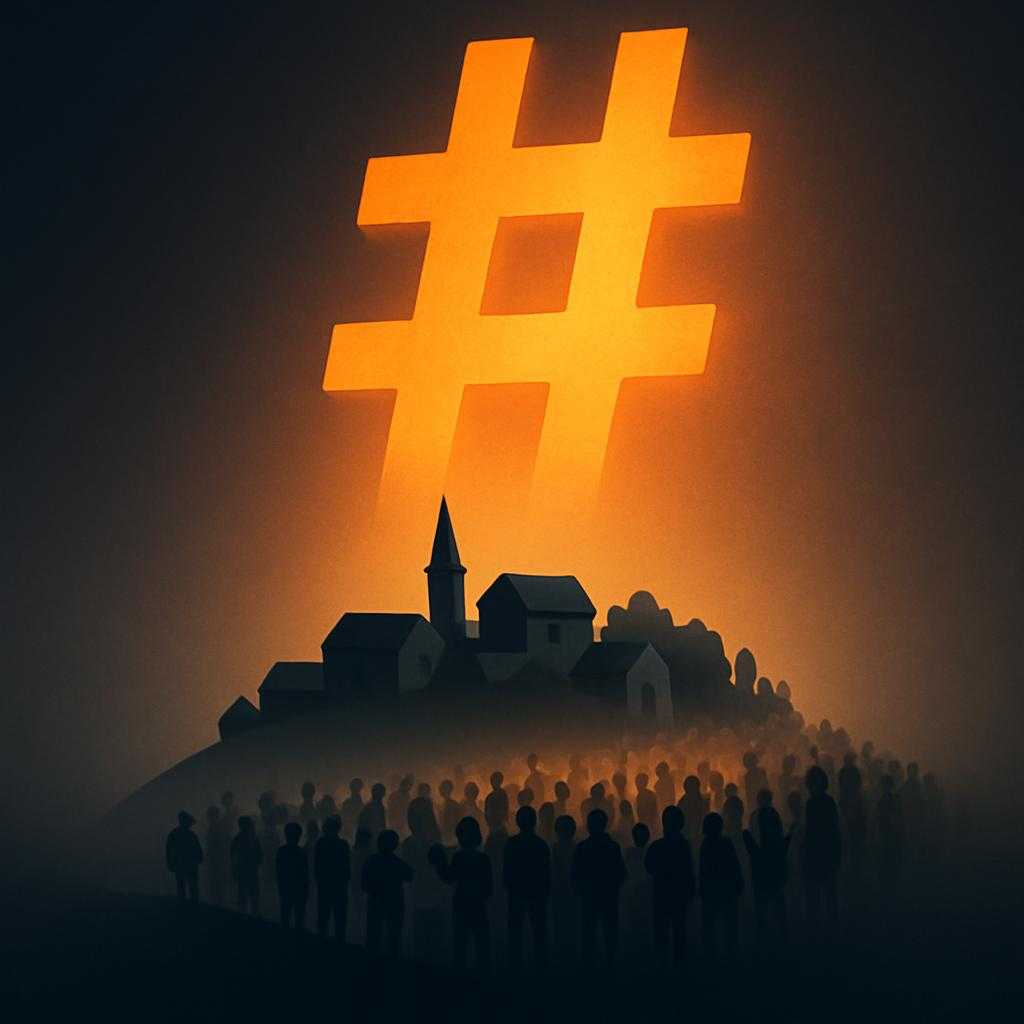
The first problem is often not tourism itself but its speed. A hashtag can make a small town suddenly visible to far more people than its streets, parking areas, toilets, bins, and public transport were designed to handle. These systems have limited capacity: once visitors arrive faster than services can absorb them, everyday routines become harder for residents.
The Pressure Shows Up in Ordinary Places
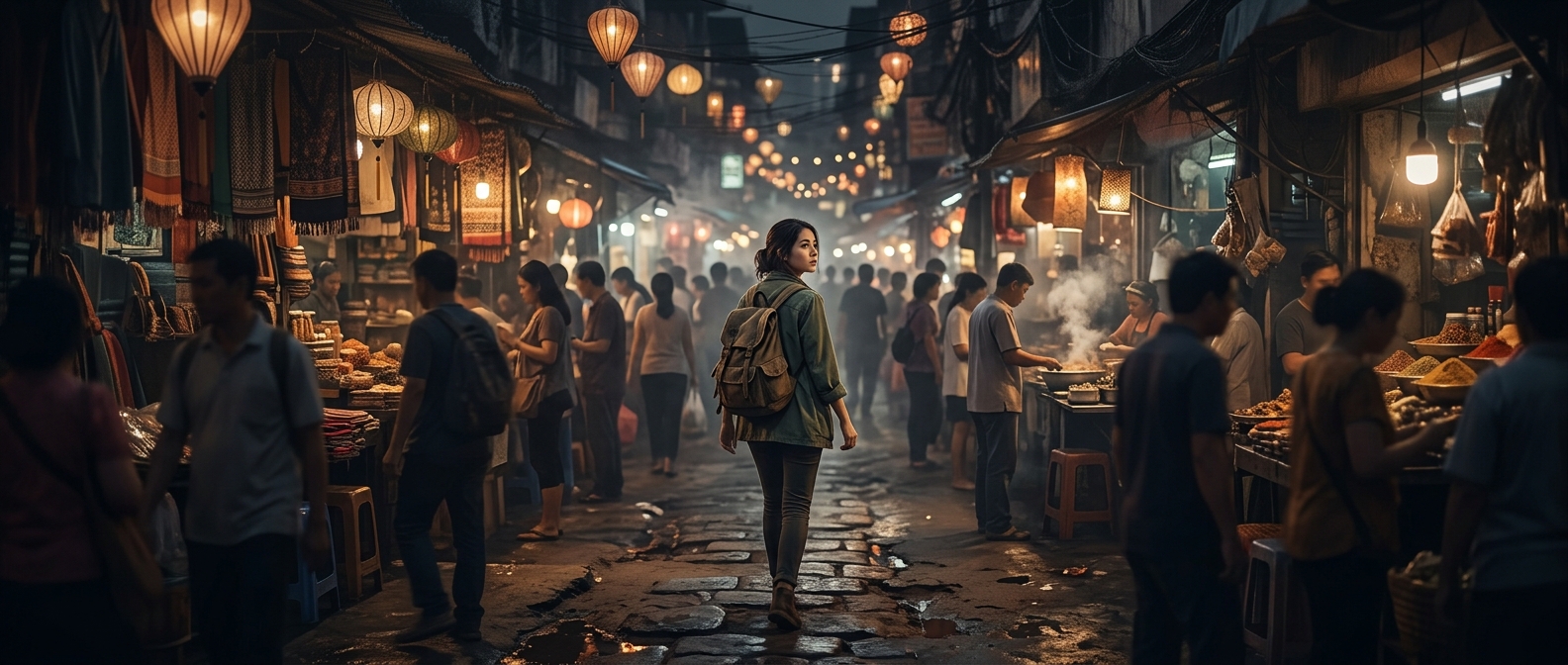
A narrow street that normally carries local traffic may become a queue of cars and tour groups. Popular viewpoints can fill, rubbish bins overflow, and public spaces become noisier and harder to use. Residents may find that errands take longer or that familiar places are crowded at the very times they need them.
The strain can spread beyond the busiest spot. Visitors still need places to park, eat, and stay, so pressure may reach nearby neighborhoods and businesses. If short-term visitor demand competes with local needs for housing or services, residents can feel the effects even when they do not work in tourism.
Why Sudden Popularity Is Hard to Manage
Roads, waste collection, public facilities, and staffing cannot usually expand overnight. Local authorities may need time and money to add capacity, manage traffic, or guide visitors toward less crowded areas. Meanwhile, businesses may welcome the extra customers, while residents bear some of the congestion and disruption—a mismatch that can make decisions contentious.
The central challenge is a surge arriving before the town can adapt. A place can become famous in a day, but keeping it comfortable to live in and visit takes planning, infrastructure, and time.