Move Your Trip Beyond the Busiest Time and Place
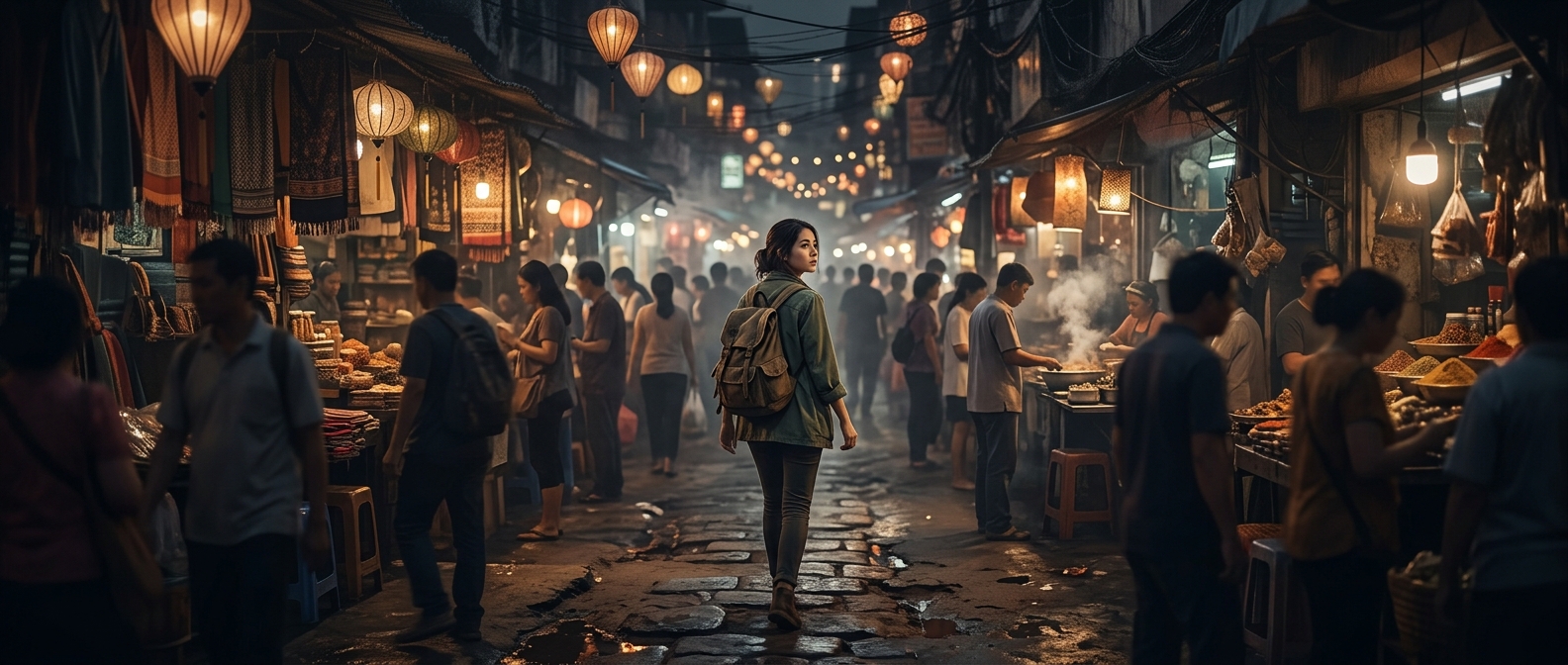
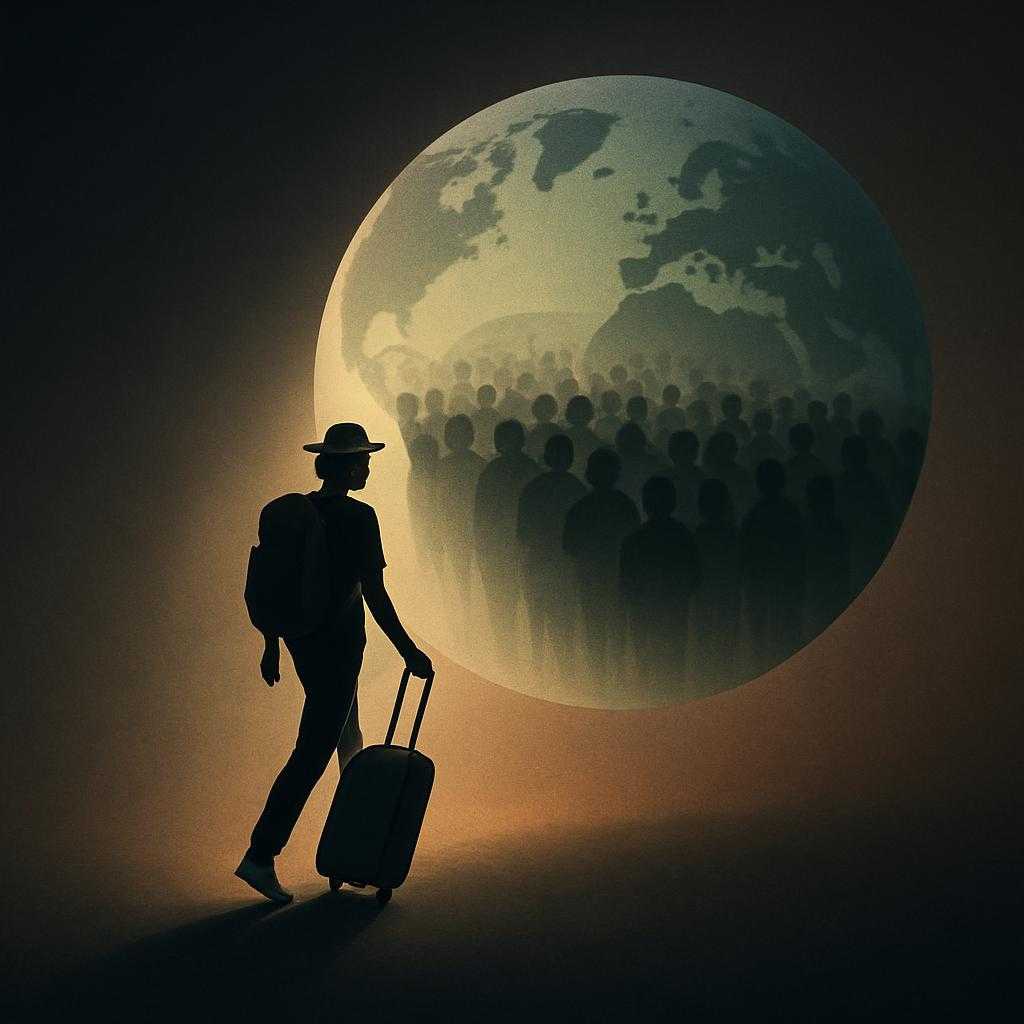
The most direct way an individual can reduce overtourism’s pressure is to take the trip when—and, where possible, where—crowds are thinner. Visiting a popular place in its shoulder season, the period just before or after peak travel months, can ease strain on transit, public spaces, housing, and local services. Choosing a nearby, less-visited destination can spread visitor spending and foot traffic instead of adding to a famous hotspot’s rush.
Why Timing and Location Matter
Crowds concentrate because many people see the same photos, videos, and “must-see” lists, then arrive at the same places during the same convenient weeks. That concentration can make ordinary life harder for residents: streets and buses fill up, public spaces become congested, and businesses and services must cope with sharp seasonal surges.
A traveler’s small choice changes where and when demand lands. It does not eliminate tourism’s effects, but it can avoid adding another visitor to the most strained place at its busiest moment. The practical shift is from asking only, “Where is everyone going?” to considering a less crowded time or a destination that can welcome visitors without the same pressure.
A Different Kind of Travel List
This doesn’t mean skipping every famous landmark. It means being flexible: travel outside the busiest dates, explore beyond the headline attraction, or build a trip around places that receive fewer visitors. Dispersing demand is more consequential than simply following a trending itinerary with a few low-impact habits added on. A quieter calendar or an overlooked stop can make the difference between one more person in a bottleneck and a visitor whose presence supports a broader community.