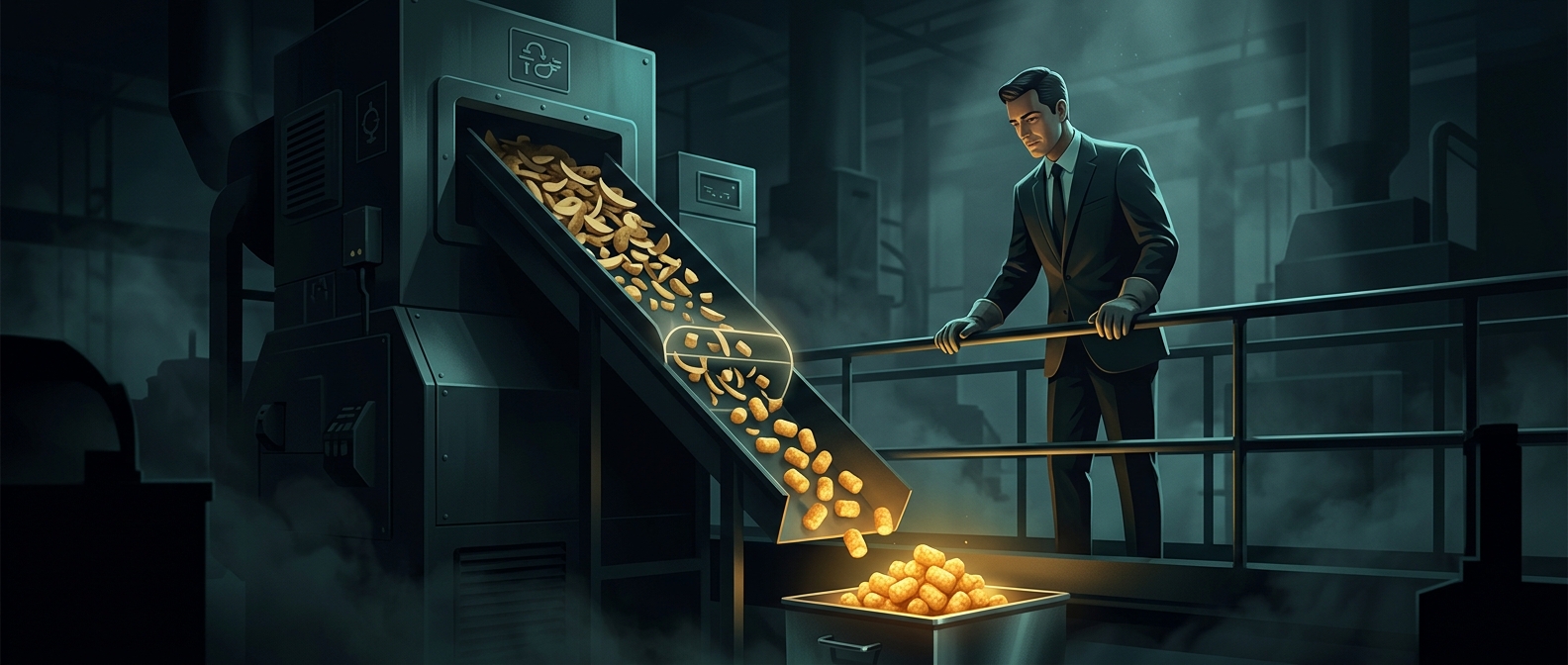
How fragmented patents can stall a promising idea
A biotechnology project may depend on many separate inventions: a research tool, a method for modifying cells, a diagnostic technique, or a process for producing a molecule. If different owners control rights needed along the way, a team may have to negotiate several licenses before it can begin—or before it can turn a laboratory result into a product.
Each negotiation adds time and cost. Owners may disagree about price, permitted uses, or future royalties. Even if most agree, one unresolved license can block the whole chain. The difficulty is not simply that patents exist; it is that too many separate veto points can make permission costly to assemble.
The anticommons problem
Economists call this a “tragedy of the anticommons.” In a commons, many people can use a shared resource, risking overuse. In an anticommons, multiple owners can prevent others from using pieces of a resource, risking underuse. A patchwork of rights can therefore leave useful technology idle—not because no one sees its value, but because no one can secure all the permissions on workable terms.
This can shape decisions before a project even starts. A company or research group must weigh the chance of a breakthrough against the expense and uncertainty of licensing. If the expected return is modest, or the negotiations look too complicated, it may choose a different line of research. The lost opportunity is hard to see: the drug that was never developed leaves no failed trial or abandoned product to point to.
Why coordination matters
Patent pools, in which owners offer related rights through a shared arrangement, can sometimes simplify licensing. So can a single institution coordinating access to several technologies. These approaches do not erase patent rights; they reduce the number of separate negotiations a researcher must navigate. In a field where one discovery may rely on many tools, making those permissions workable can determine whether an idea moves from the lab toward a medicine at all.