A tax on the finished pattern
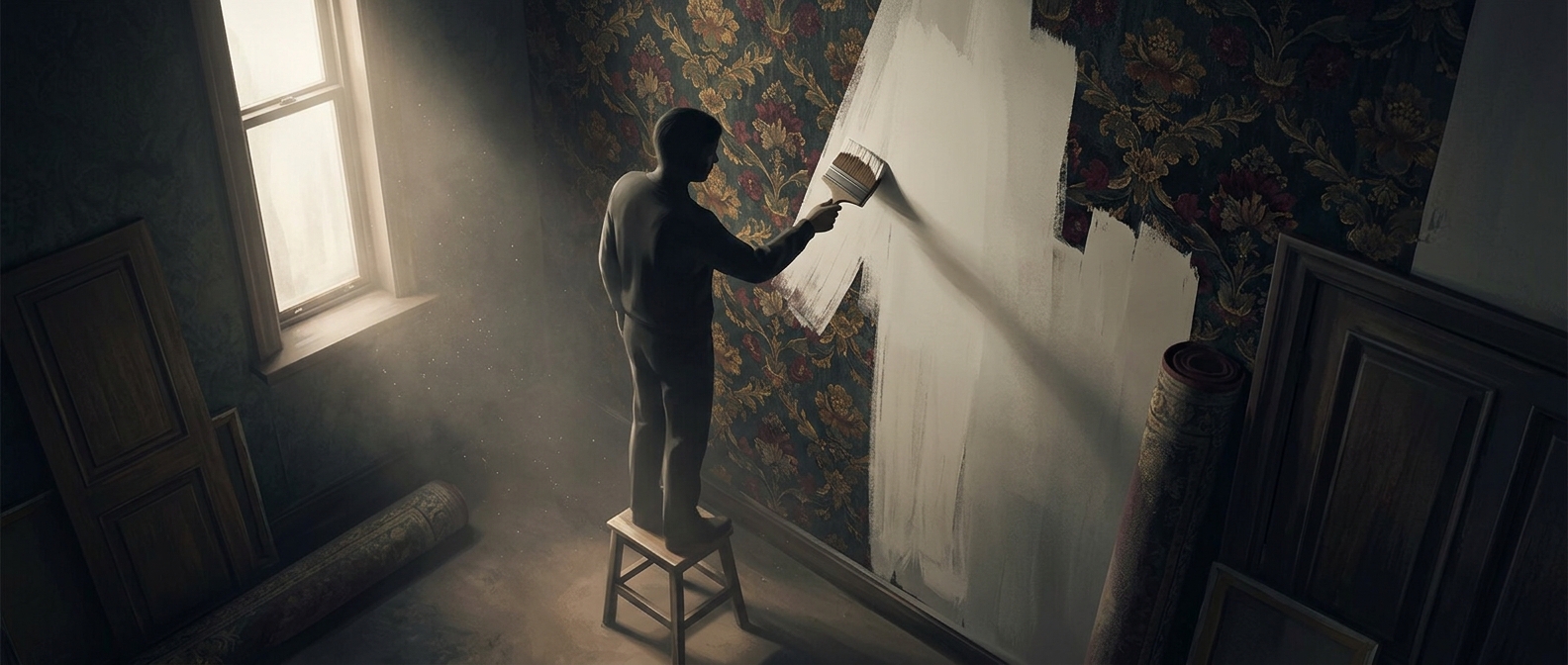
Britain’s wallpaper tax made decoration cost more when the design arrived already printed on the paper. That distinction created a practical workaround: buy plain paper, then add the pattern by hand with stencils. The walls could still look ornamented, but the patterned surface was made at home rather than purchased as a taxed product.
Moving the work out of the shop
A stencil is a cut-out template: paint or pigment applied over it leaves a repeated shape on the surface beneath. By shifting that step from the wallpaper maker to the homeowner, people could reproduce a regular design without buying pre-printed wallpaper. It took time and care, especially across a whole room, but traded household labor for the added cost of the finished goods.
The tax therefore shaped not just what people bought, but how decoration was made. A pattern could be assembled on the wall, one stencil at a time, instead of arriving on the paper from the factory. The same visual effect could carry a different tax consequence depending on where the pattern was applied.