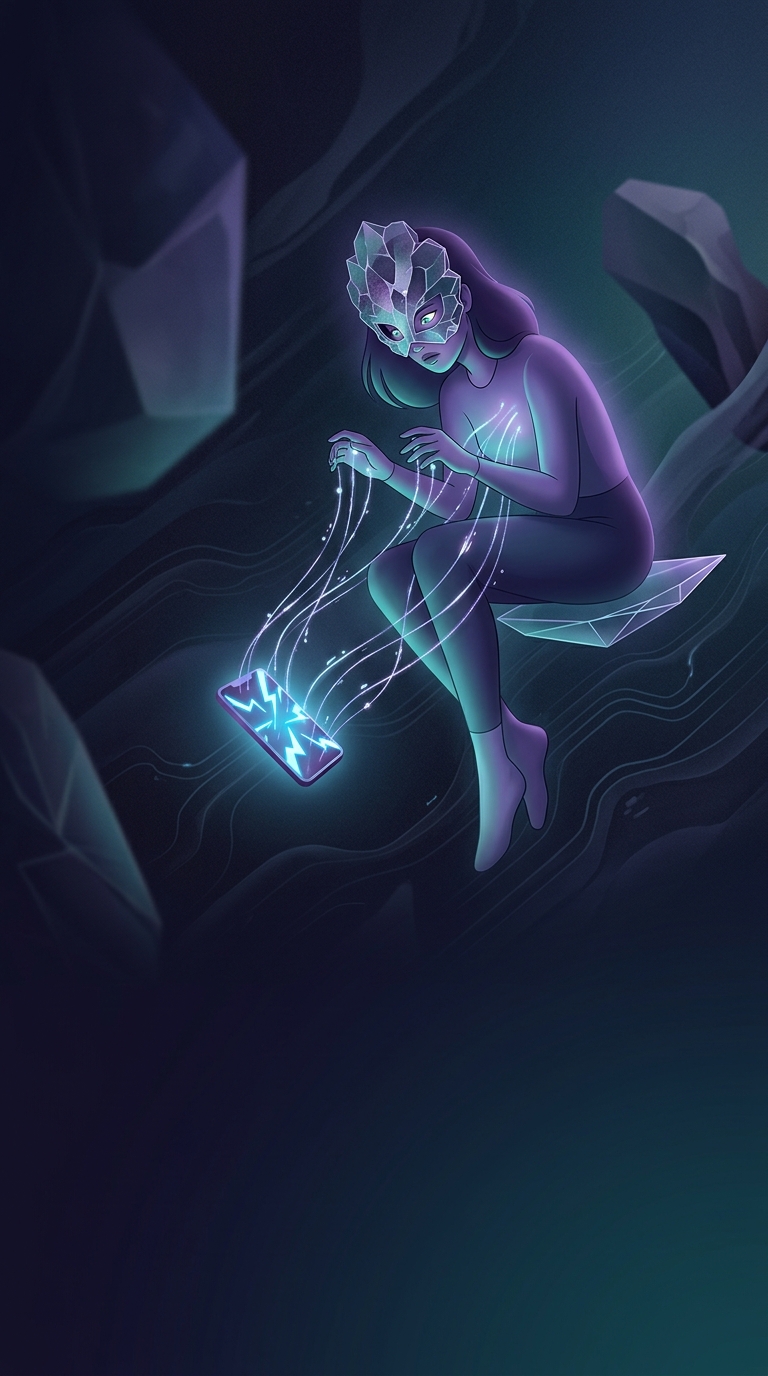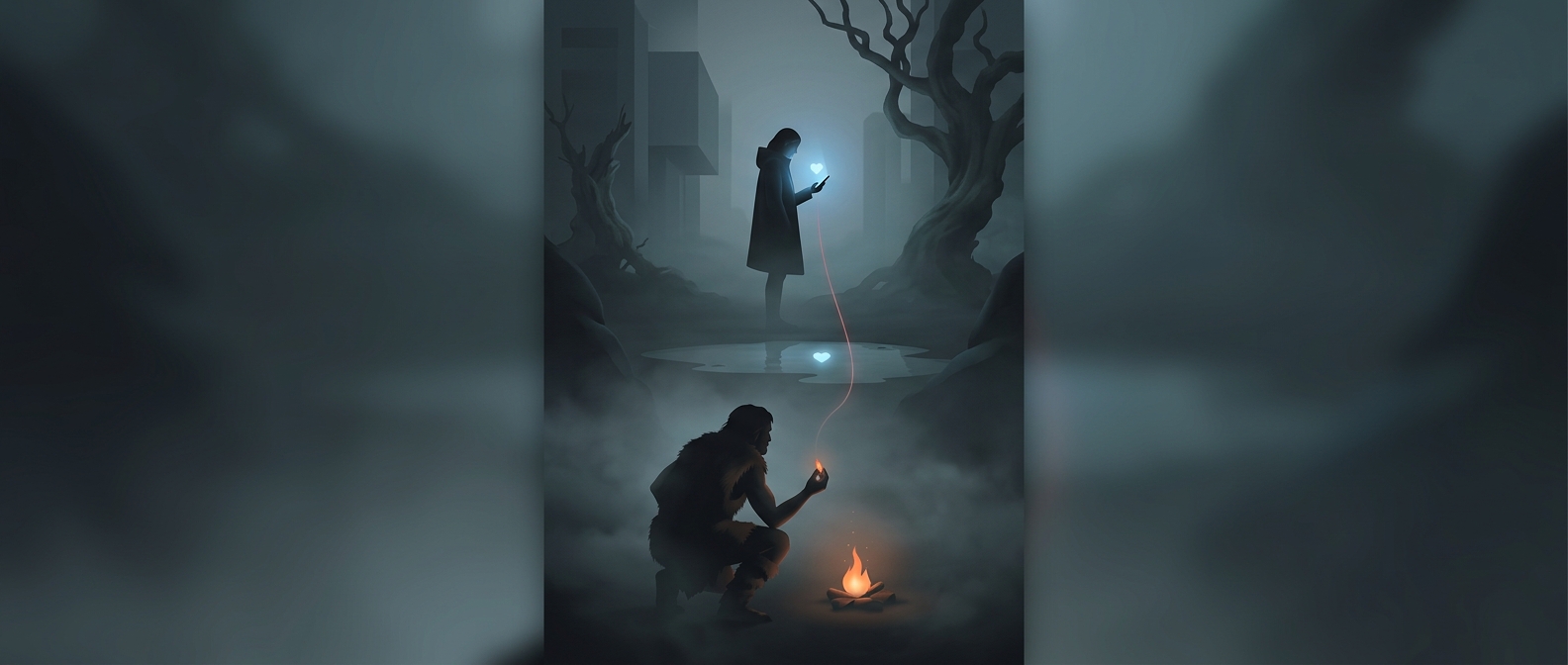
Why a tiny notification can feel like a rival
A like is only a tap, but it makes another person’s attention visible. If that person has liked your partner’s photo, you may suddenly picture them as a potential competitor—even if you have never met and nothing has changed between you and your partner. The notification turns an otherwise private uncertainty into a concrete cue your mind can inspect.
Jealousy works by filling in missing information
Jealousy is a response to a perceived threat to an important relationship, not a reliable detector of betrayal. When a cue is ambiguous, the mind tries to interpret it: Was the like casual? Is there a history between them? Does my partner welcome this attention? Because a social-media feed rarely supplies the answers, imagination can supply possibilities instead. The more emotionally invested you are, the more weight a small clue may seem to carry.
The platform also makes comparison easy. You can see who reacted, revisit the interaction, and notice whether the same person appears again. That repeated visibility can keep the question active, even though a like alone says little about anyone’s intentions.
A trace is not the relationship
The useful distinction is between what you observed and what you inferred. You observed a person liking a post; the idea that they are pursuing your partner is an interpretation. Treating those as separate can make it easier to ask for reassurance or discuss a genuine boundary without turning one ambiguous tap into proof of a threat.
That is the peculiar force of the notification: it can make a possible rival feel present in the room, while leaving the real meaning of the interaction entirely unknown.