How a clean rat can look filthy on screen
A movie’s “dirty rat” is a visual effect, not a record of the animal’s hygiene. Viewers read grime from cues such as dark patches, rough-looking fur, a stained-looking surface, or a dingy setting. In a close shot, those cues can make a well-cared-for animal seem to have just crawled out of a drain.
The distinction matters because production has to create the impression of dirt without treating real dirt as part of the animal’s life. A rat’s coat and skin need to remain in good condition, while its nails must be short enough to reduce the risk of scratches during handling. Routine care also lets trainers check the animal’s condition rather than leaving grime or matting to obscure it.
The camera sells the illusion
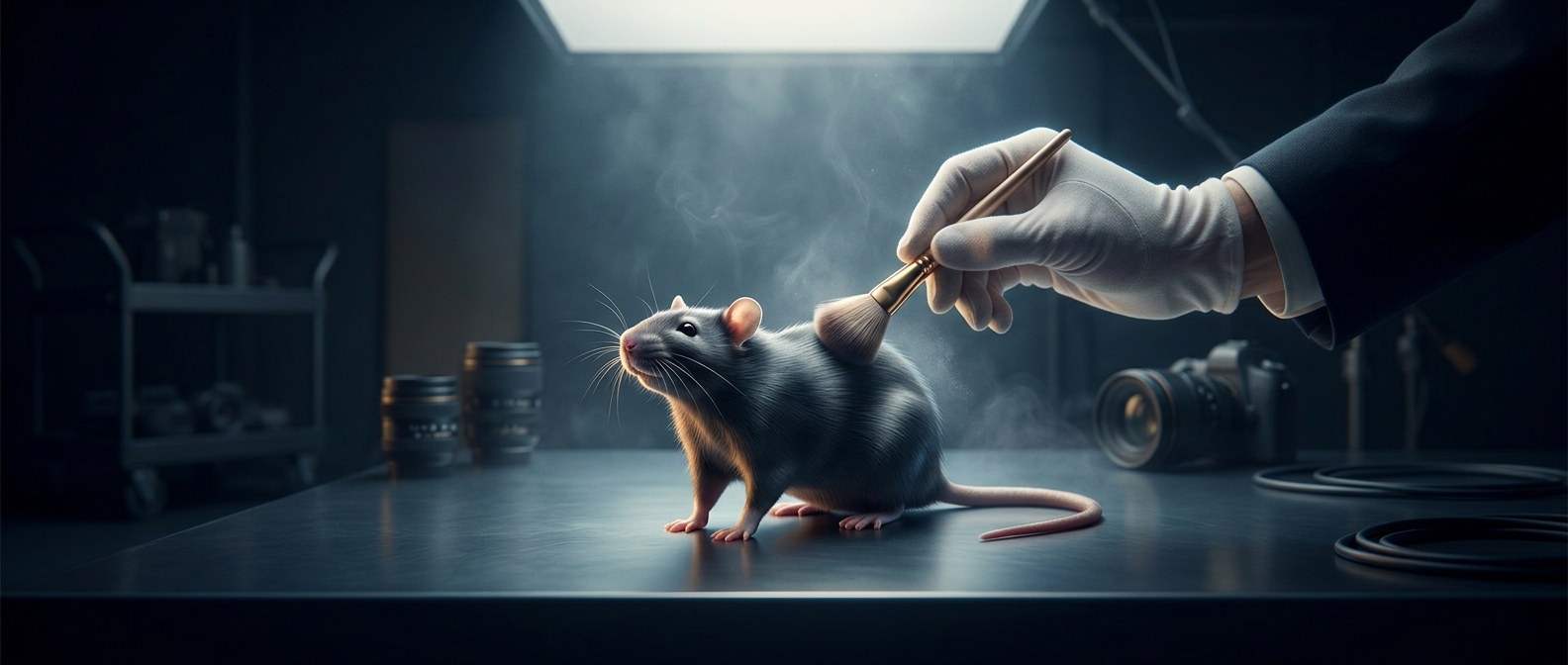
Film crews can shape what an audience sees through the setting, lighting, framing, and the animal’s position in the shot. A rat scurrying across a grimy-looking surface may register as filthy even when its coat is clean. When the animal itself needs a dirtier appearance, any treatment has to be planned around its welfare and the demands of the scene; the look is not a reason to leave it unwashed or uncomfortable.
That separation gives filmmakers control over continuity, too. The same animal can appear clean in one scene and disheveled in another without carrying real grime between takes. The convincing part is the audience’s quick judgment—not the rat’s actual condition.