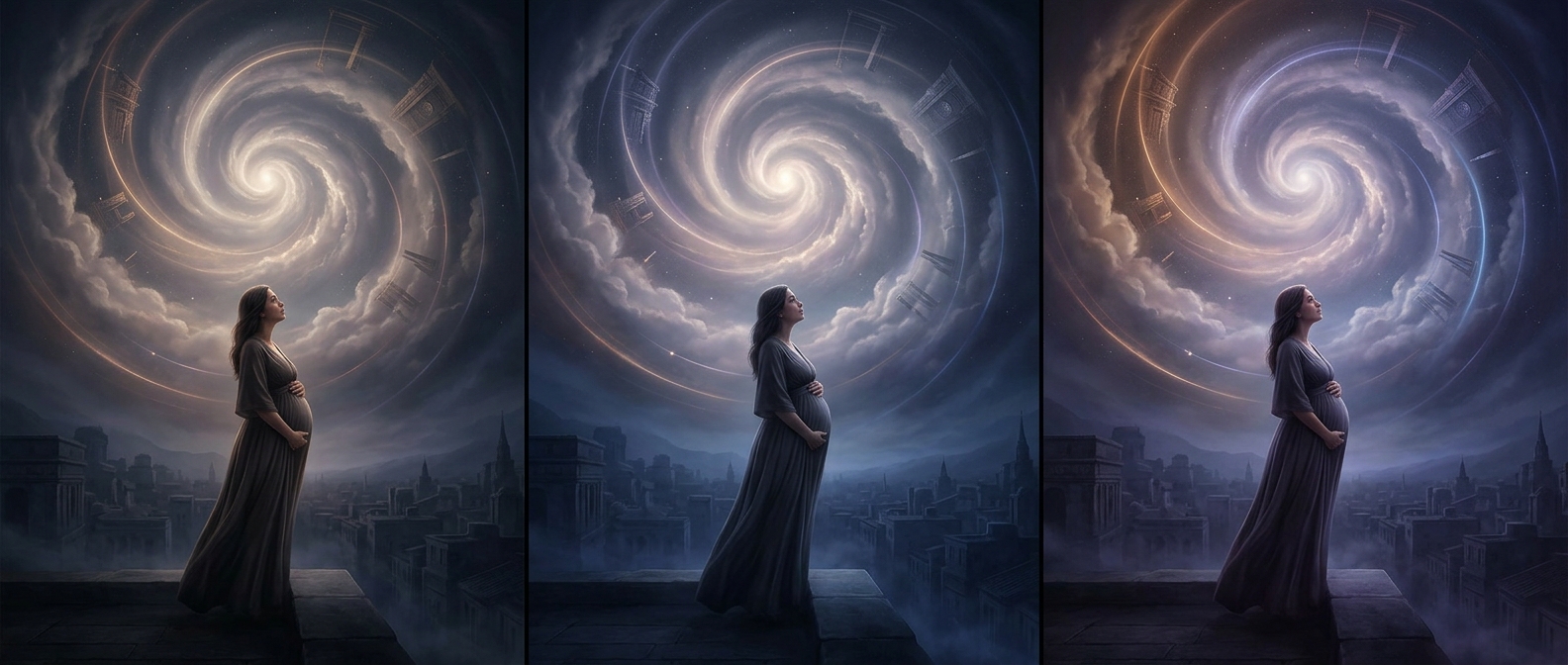
What “leaving the body” means in astral projection
Astral projection is the idea that a person can experience awareness apart from the physical body. In many accounts, the traveler is understood to have an astral body: a nonphysical counterpart that can move independently while the ordinary body remains behind. “Astral” refers to a spiritual realm or level of existence in these belief systems, not simply to outer space.
The balloon image captures one part of the idea—the apparent freedom to move beyond the body—but can make it sound like a physical object floating away. Practitioners usually describe a change in consciousness or a spiritual journey, not a balloon-like body that can be seen and measured.
How people describe the experience
Accounts often begin during relaxation, meditation, or the edge of sleep. A person may feel detached from their body, see a familiar room from an unusual viewpoint, or imagine traveling elsewhere. Some interpret such experiences as evidence that consciousness has departed; others use “astral projection” as a name for the experience without making the same claim about its cause.
That distinction matters: the experience can feel vivid and consequential to the person having it, while the proposed ability to travel outside the body remains a spiritual claim rather than an established physical effect. The language of projection gives a framework for making sense of an unusual state of awareness.
Why the idea persists
Astral projection offers a striking answer to a profound question: whether the self is entirely bound to the body. Its appeal lies not only in the promise of extraordinary travel, but in the possibility of experiencing oneself as more than a physical organism. The image of awareness moving freely is memorable precisely because it turns an abstract belief about the self into a journey one can picture.