When the world itself is ultimate
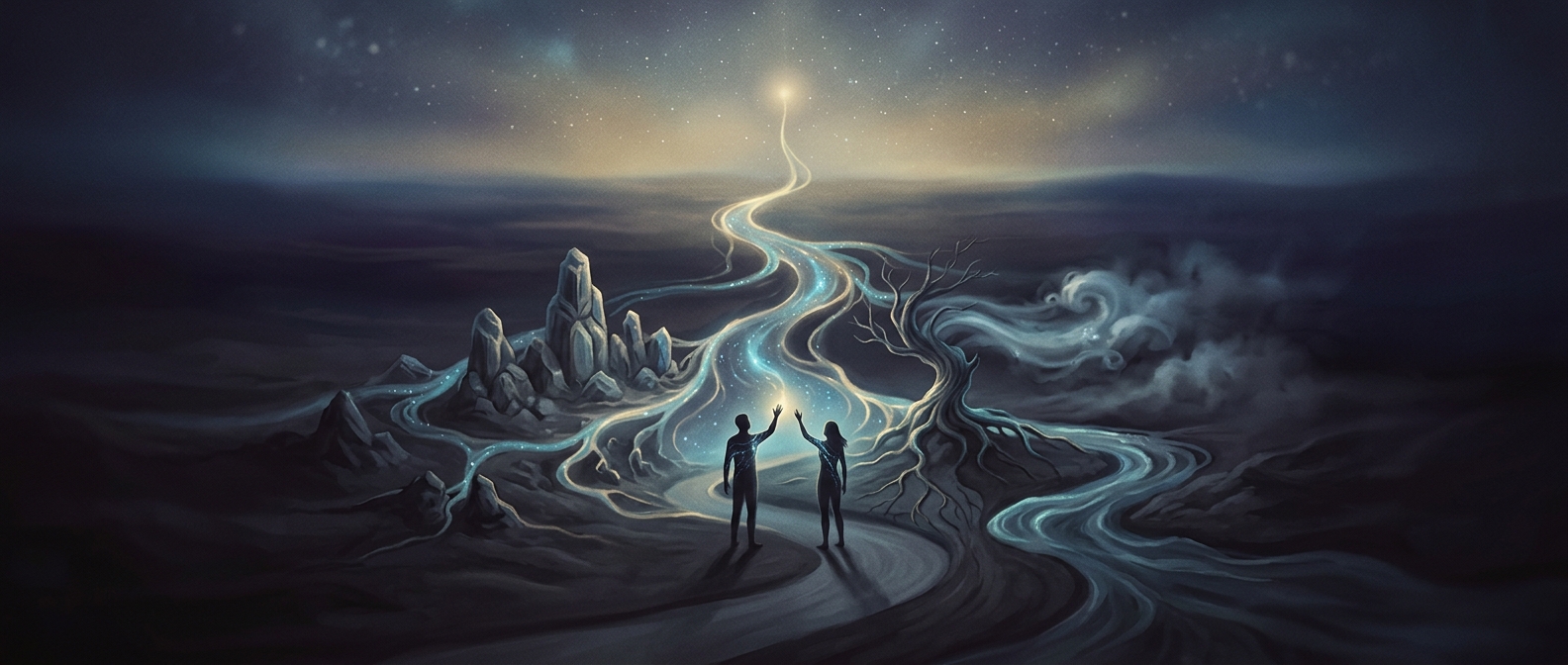
Pantheism is the view that the divine—or the ultimate reality some traditions call the absolute—is not a separate being standing beyond the universe. Instead, reality as a whole is understood as divine. The word combines Greek roots meaning “all” and “god,” though pantheists differ in how literally they use the language of God.
This shifts the usual picture of creation. In many theistic traditions, a creator exists independently of the world and brings it into being. A pantheist picture does not require that separation: the world is not a product made by an external maker but the reality in which the divine is present, or with which it is identical.
What follows from seeing everything as sacred
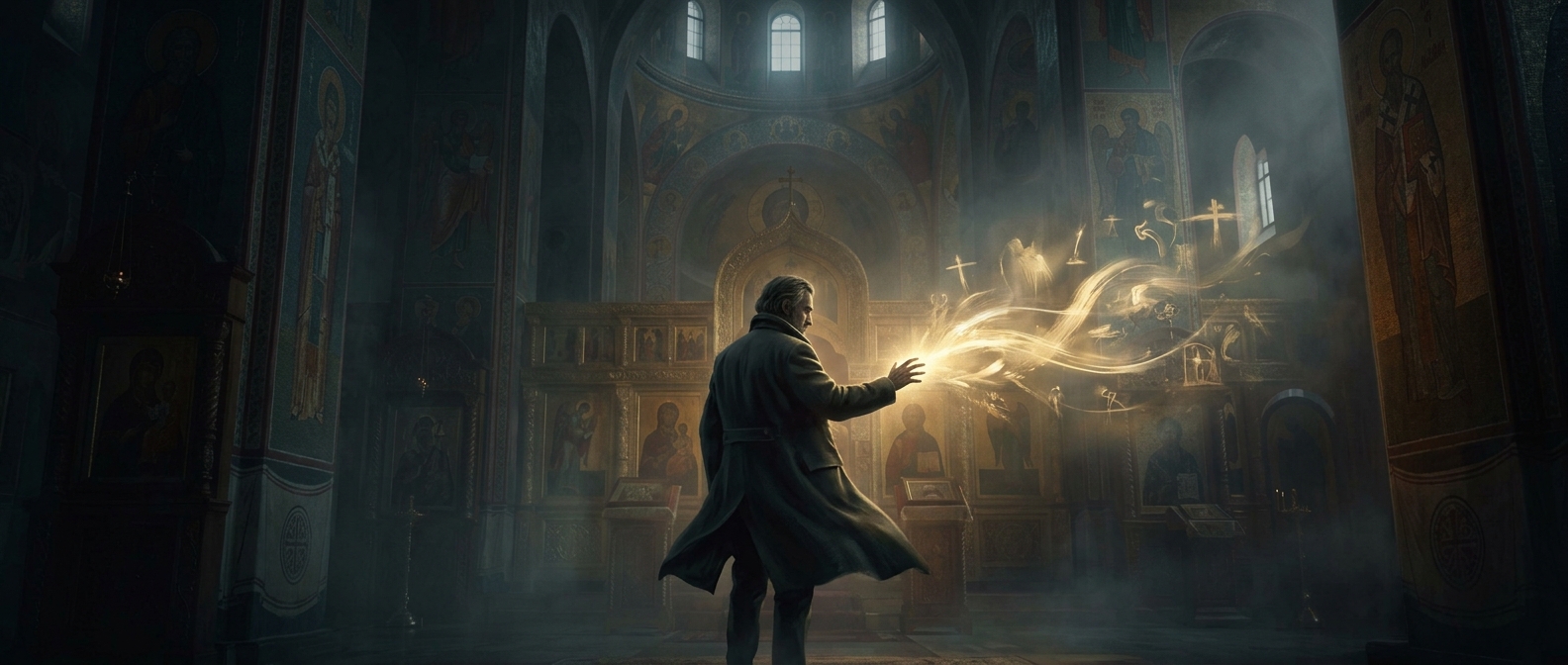
If the whole of existence is divine, sacredness is not confined to temples, rituals, or exceptional experiences. Ordinary things belong to the same reality: a mountain, a crowded street, and the people moving through it. That does not mean every event is pleasant or morally good. It means nothing exists wholly outside the ultimate reality.
The practical consequence is a different way of relating to the natural world. Nature need not be treated merely as raw material separate from the sacred; caring for it can be understood as caring for part of the whole to which one also belongs. Even a traffic jam, though hardly a spiritual ideal, is not outside that whole. Pantheism’s striking claim is that the sacred is not somewhere else—it is inseparable from the world people already inhabit.