The minibar was a hotel business idea, not a lone inventor’s gadget
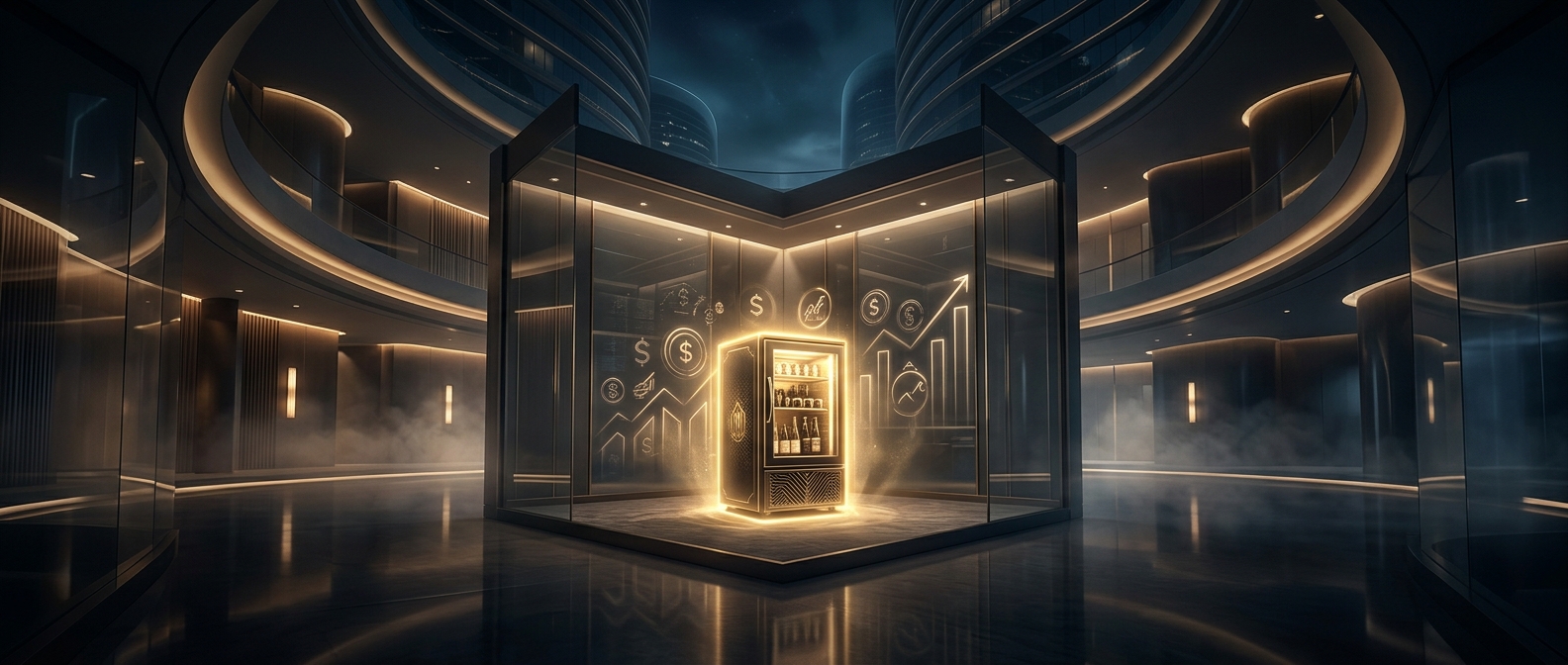
There is no single person clearly credited with inventing the hotel minibar. The key change was turning an ordinary small refrigerator into a ready-to-buy shop inside the guest room. Hotels in Asian high-rises helped pioneer that approach: instead of sending tired arrivals downstairs, they put drinks and snacks within reach—and added a substantial markup for the convenience.
A fridge became a checkout counter
The arrangement works because it removes friction. A guest arriving late, too tired to go out, or unwilling to leave the room can take a drink immediately. The hotel, meanwhile, can sell at any hour without staffing a separate shop on every floor. A minibar may be checked and replenished by staff, or designed to register when an item is removed; either way, the room itself becomes the point of sale.
That convenience comes with tradeoffs. The hotel has to stock, inspect, and replace products, and guests pay more than they would at a nearby store. The minibar’s appeal is therefore less about the snacks themselves than about selling immediacy at the moment a guest values it most. A little refrigerator in a high-rise room became a dependable source of hotel revenue precisely because it made the easiest option the most expensive one.