When the Journey Becomes the Practice
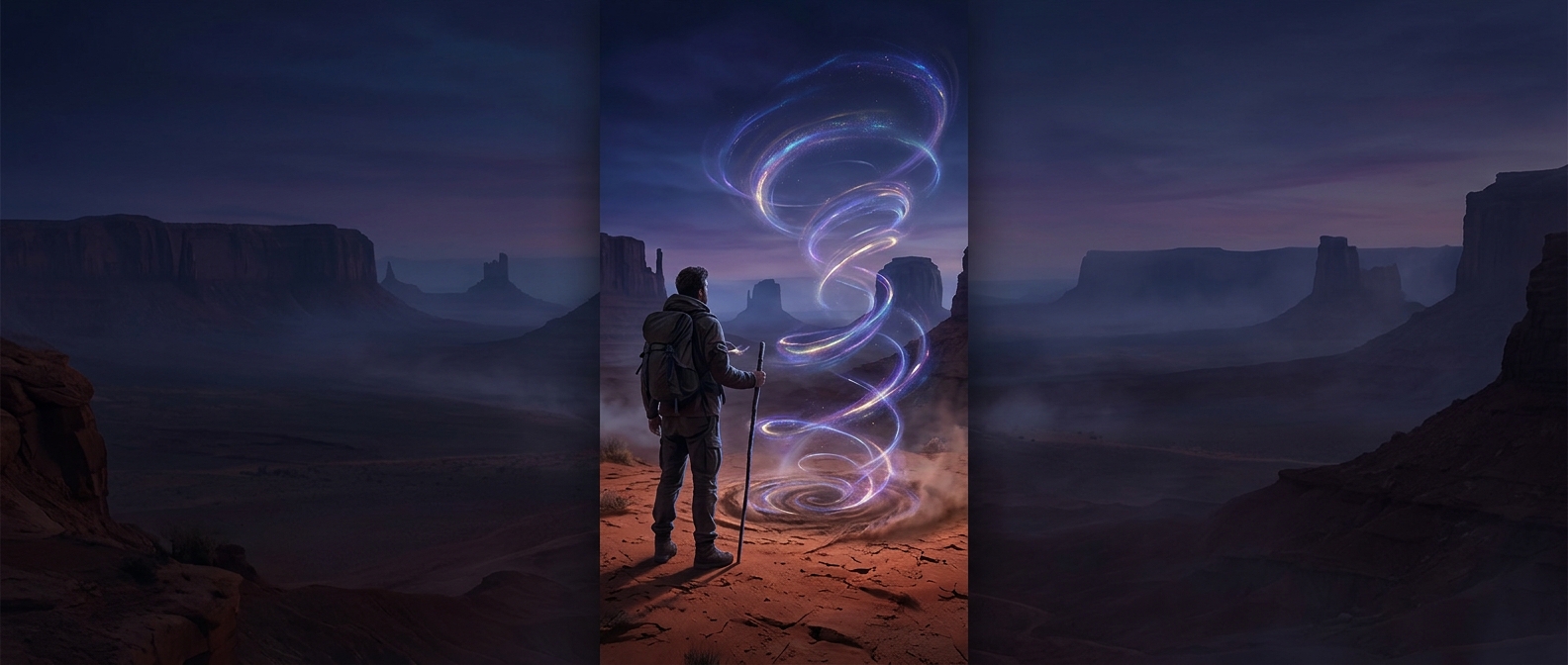
A long walk changes travel from a problem of getting somewhere into an experience measured by the body. Instead of covering distance in a vehicle, a walker feels it through changing terrain, weather, fatigue, and the steady rhythm of footsteps. The route is no longer just a line between two destinations; it becomes the substance of the journey.
Why Walking Can Carry Meaning
That slower pace helps explain why walking appears in pilgrimages and other personal or spiritual practices. Repetition gives the mind room to settle, while the physical effort makes progress tangible: each stretch is completed step by step. The meaning comes from the practice and the walker’s intentions, not from any supernatural effect that can be assumed for everyone.
Walking also brings a traveler close to details that pass unnoticed at speed—a shift in the landscape, a neighborhood’s daily routines, or the effort required to reach the next stop. The tradeoff is real: long distances take time and demand stamina, and a route must be chosen with safety and access in mind.
Without a vehicle, the journey cannot simply bypass the ground between its endpoints. The distance itself becomes part of what the traveler came to experience.