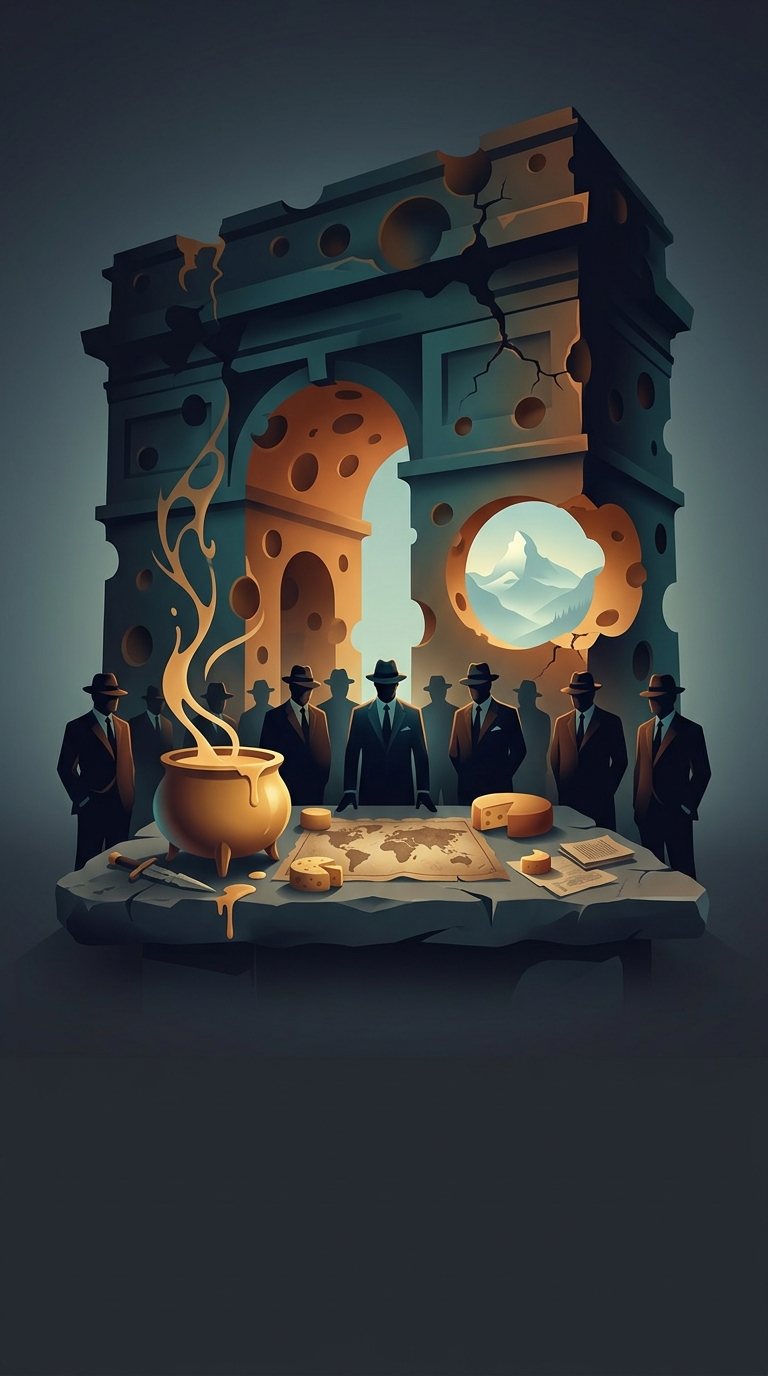
How MSG became a restaurant scare
The ingredient was monosodium glutamate, or MSG: a form of glutamate, an amino acid that gives food a savory, full-bodied taste. Glutamate also occurs naturally in foods such as tomatoes and aged cheese. MSG’s practical appeal was straightforward: a small amount could make dishes taste richer without adding a distinct flavor of its own.
The panic took off after a widely discussed 1968 letter described symptoms supposedly experienced after eating at Chinese restaurants. The account did not establish that MSG caused them, but the name “Chinese restaurant syndrome” gave the suspicion a memorable label—and tied it to a particular cuisine. Anecdotes and news coverage helped that association travel far beyond the evidence.
Why the fear stuck
MSG was easy to cast as a hidden chemical culprit. Its name sounded unfamiliar, and the foods people associated with it were already marked as foreign in much of American popular culture. That made a complicated question about symptoms and ingredients into a simple warning: avoid Chinese food, or ask whether a dish contained MSG.
The economic effects followed the stigma. Some restaurants advertised that they did not use MSG, while diners began treating the ingredient as a reason to avoid certain places. The label could function as reassurance to customers, but it also reinforced the idea that Chinese cooking was uniquely suspect—even though glutamate is present in many familiar foods and MSG is used in a range of cuisines and packaged products.
What the scare left behind
MSG is considered safe for most people to eat, and research has not supported the broad claim that ordinary amounts cause a distinctive syndrome. Some people report short-lived symptoms, particularly after consuming large amounts without food, but that is not the same as proving that typical restaurant servings are harmful.
The lasting irony is that an ingredient valued for making food taste savory became a symbol of danger largely through a story attached to where people imagined it was being served.