Why an old conversation can feel present again
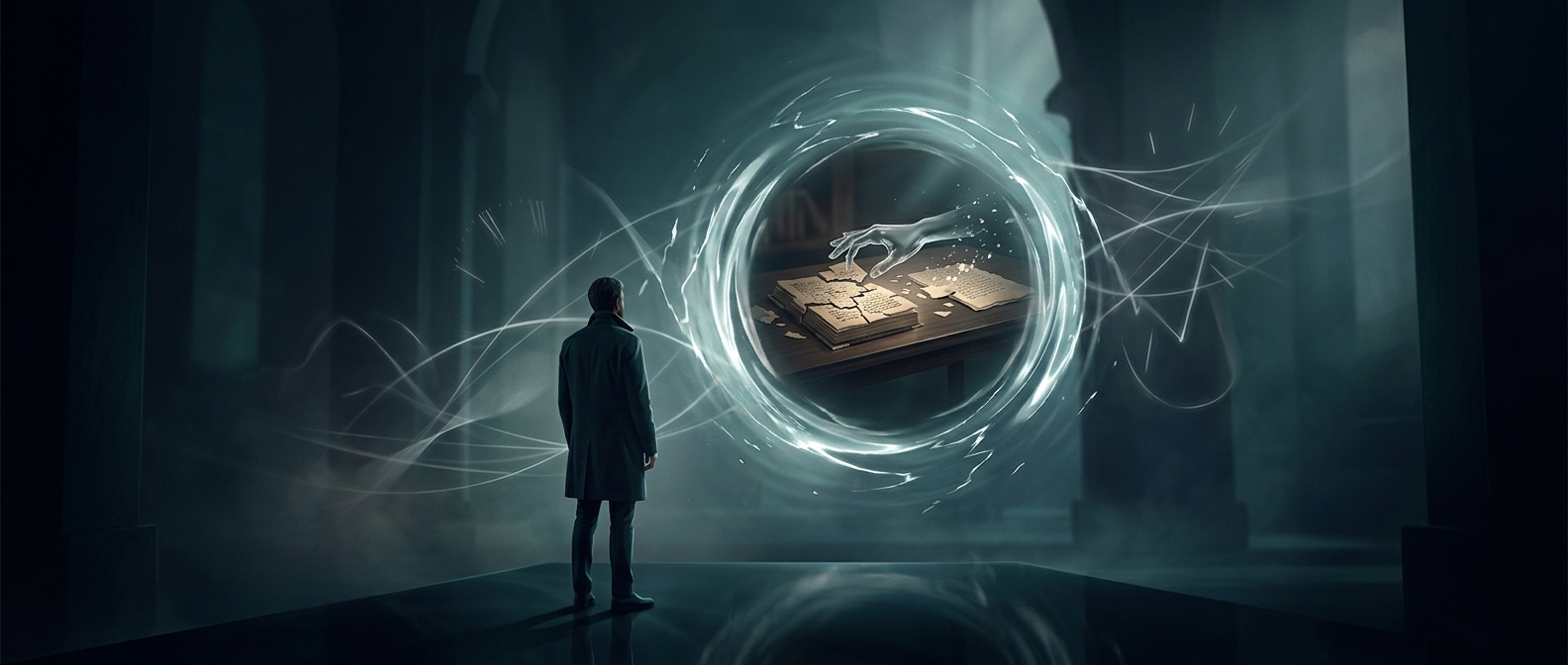
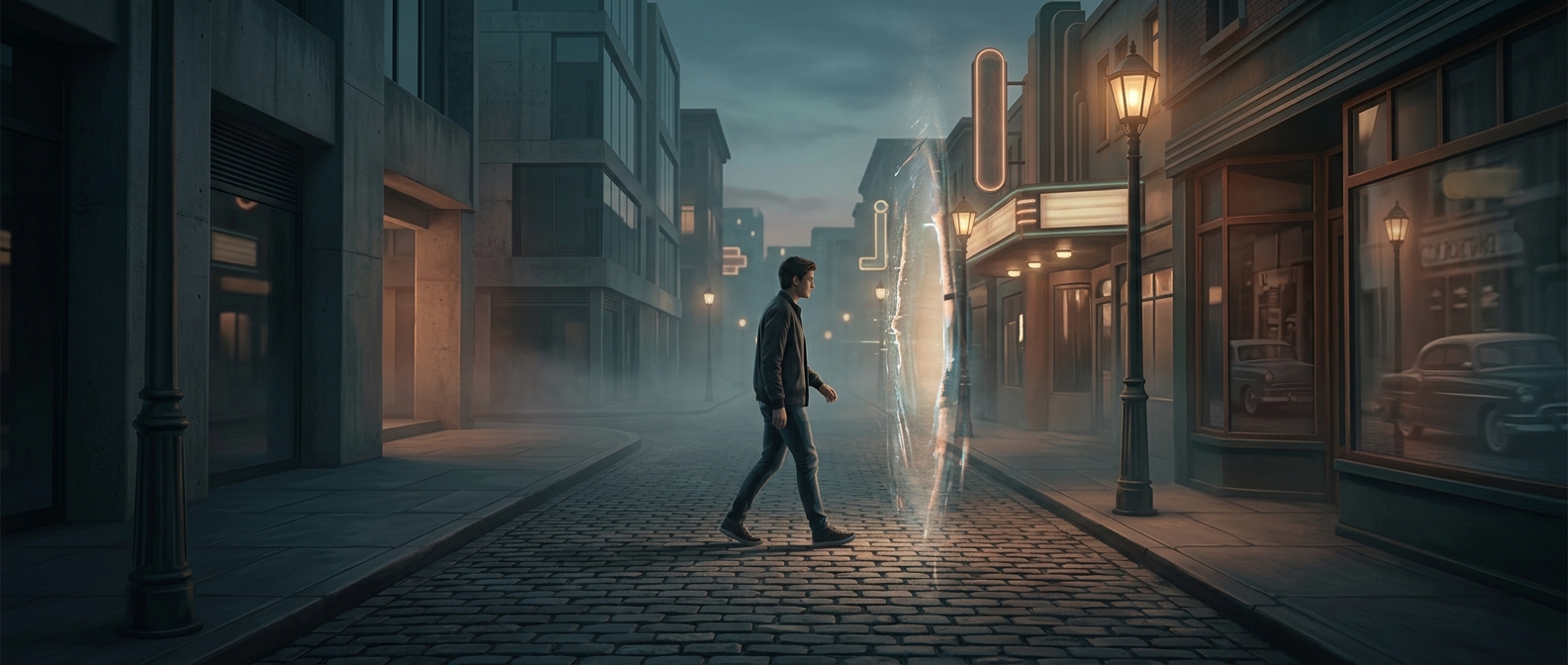
Remembering an embarrassing moment is not simply retrieving a recording. The mind rebuilds an episode from pieces: what you recall seeing and hearing, what you felt, and what you now know about the situation. In vivid recollection, you can mentally place yourself back in that scene. Psychologist Endel Tulving called the ability to re-experience personal events in time chronesthesia.
That sense of mental return can make a long-past exchange feel newly immediate. But the memory is being reconstructed from your present point of view, not replayed exactly as it happened. The person remembering may notice a pause, facial expression, or awkward remark that seemed unimportant at the time.
The same ability runs ahead
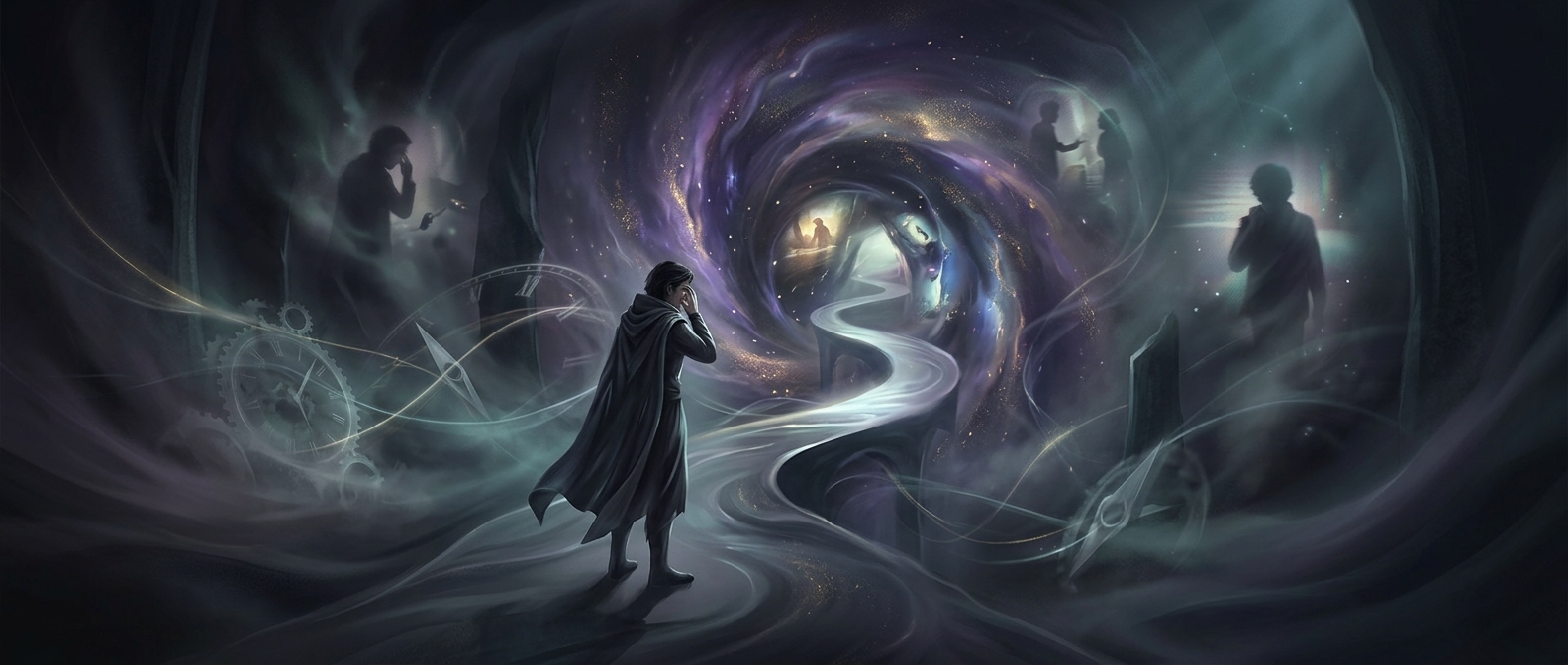
Chronesthesia also supports imagining personal events that have not happened yet. You can combine remembered people, places, and actions into a possible future scene—for example, picturing how a difficult conversation might go. Past recollection and future imagining draw on overlapping mental abilities: both let you assemble an event and consider what it would be like to be there.
This flexibility is useful for learning and planning. A past mistake can help you anticipate how a similar situation might unfold. Yet the mind can also use that ability to revisit the scene repeatedly, testing alternative versions of what you could have said.
Why the cringe can outlast the moment
With distance, you may judge the exchange using standards or social knowledge you did not have at the time. The memory can then become a small rehearsal of how to avoid a similar misstep. The sting comes partly from seeing your former self through your present-day understanding—even though that understanding cannot change what happened.
So an awkward moment can resurface years later not because the past is happening again, but because the mind can rebuild it, evaluate it, and imagine how it might have gone differently.