How a Small Spoon Became a Model for Souvenirs
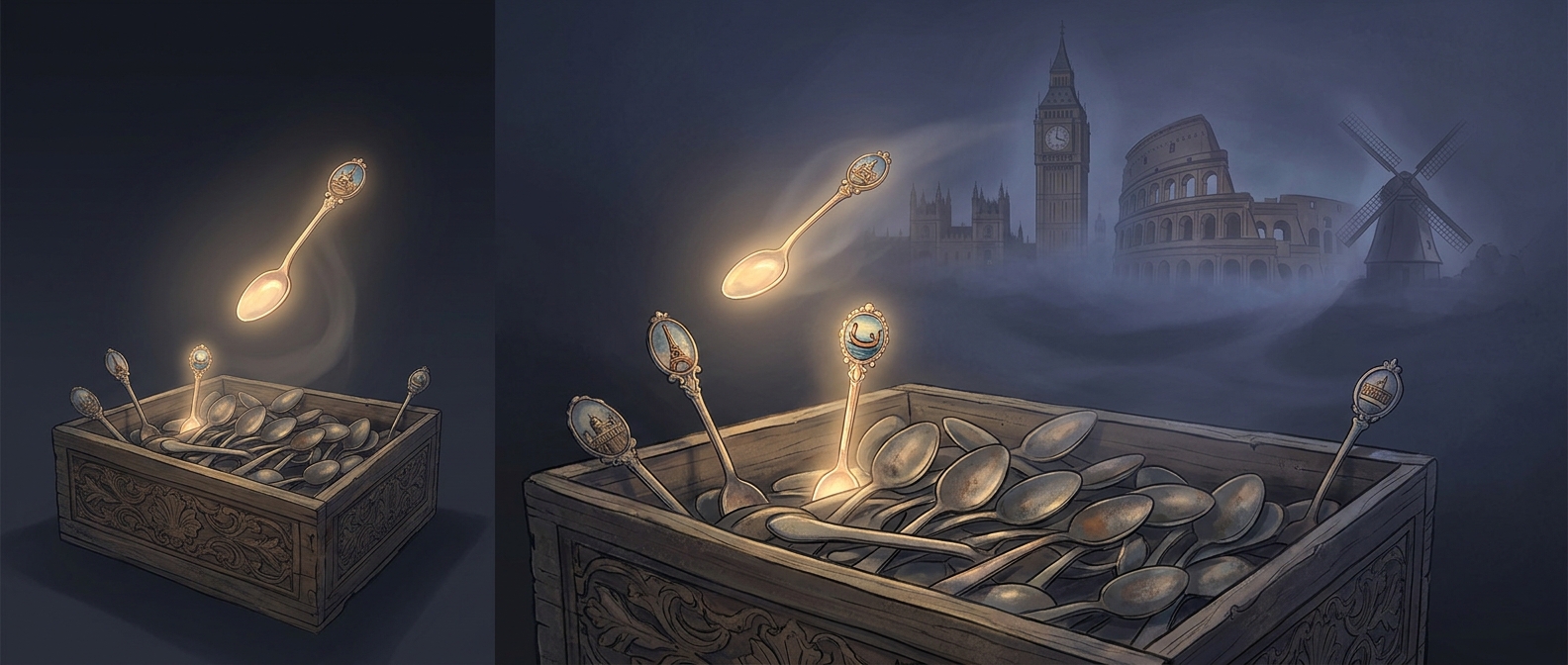
A tiny windmill-shaped spoon could do more than serve its practical purpose: it made a distant place recognizable at a glance. When a wealthy traveler brought one home from Europe, local silversmiths had a tangible example of how a travel keepsake could combine a familiar object with a vivid emblem.
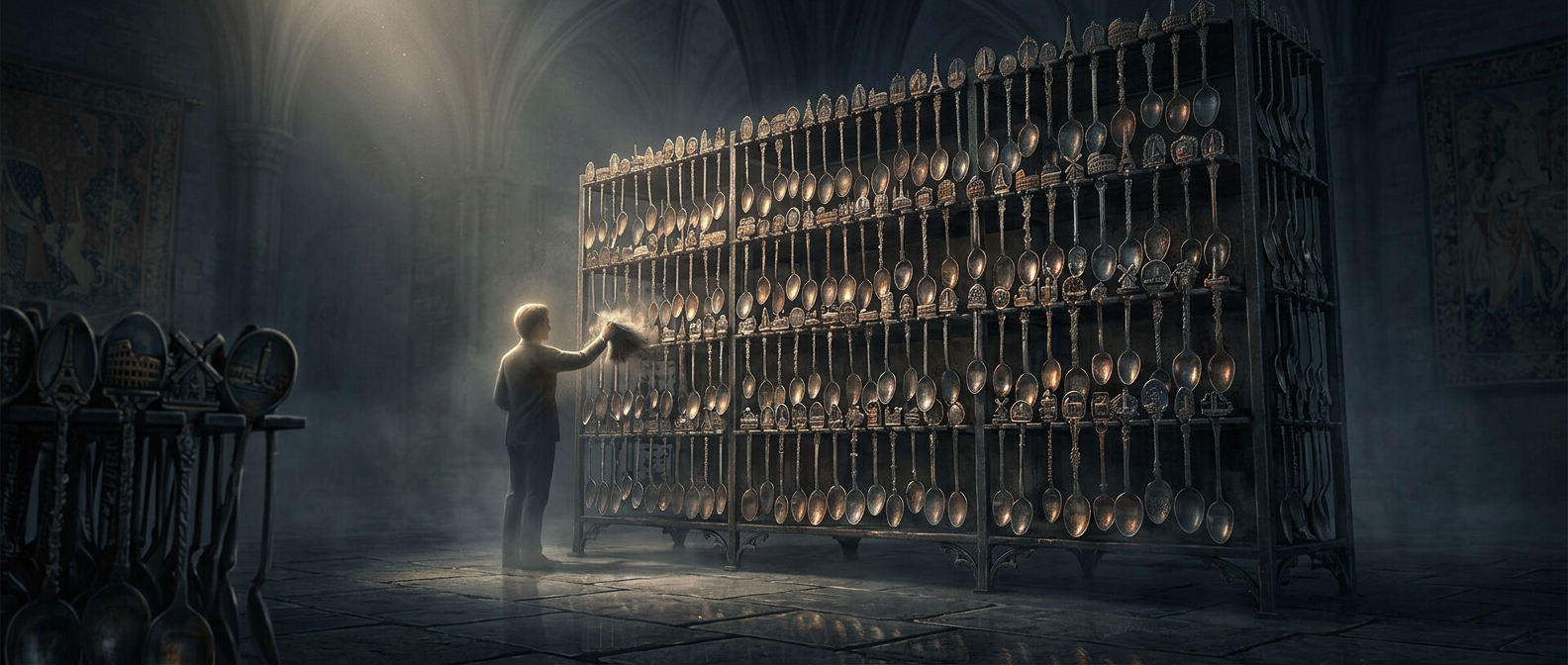
That example mattered because craft traditions spread through things people can inspect. A silversmith could study the spoon’s form, adapt its windmill motif, and make similar small objects for people who wanted a reminder of travel—or a gift that suggested it. The souvenir did not need to be large or useful in everyday life. Its appeal lay in carrying a place’s image into someone’s home.
From Imported Curiosity to Local Craft
The spoon’s influence turned an individual traveler’s purchase into a local design idea. Instead of souvenirs being only objects brought back from abroad, local makers could produce keepsakes themselves, using their skills to make travel imagery into saleable craft.
That is the small object’s larger legacy: a single imported example showed how a memorable symbol, reduced to pocket-size silverwork, could inspire a whole line of souvenirs.