Why an Ascetic Would Choose a Tree
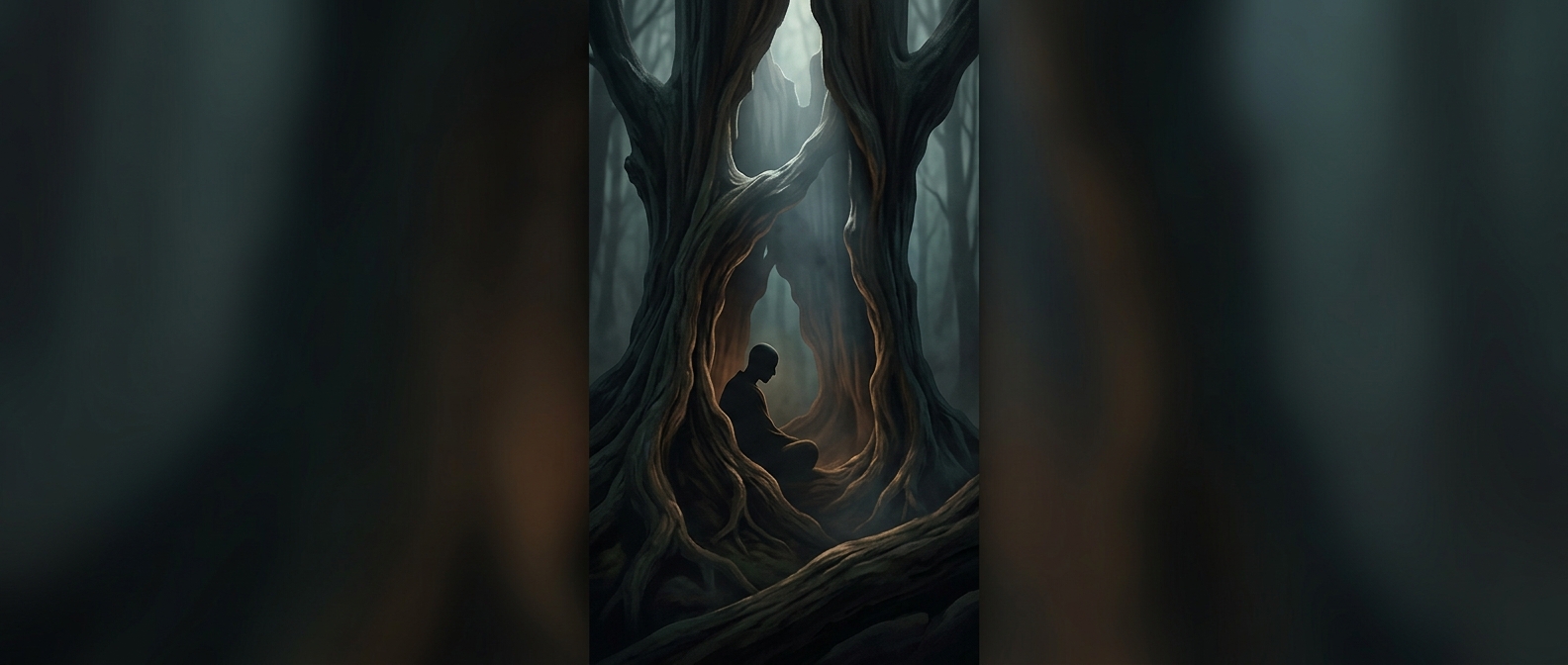
In early Christian tradition, a dendrite was an ascetic—a person who gave up ordinary comforts to devote life to prayer—who made a tree a place of retreat. The name comes from the Greek word for “tree.” Rather than withdraw to a conventional monastery or hermitage, dendrites sought solitude in an exposed, unusual dwelling.
A hollow trunk offered a crude shelter, not a comfortable home. Its tight space limited movement, while gaps in the wood could leave its occupant exposed to cold, rain, and wind. The hardship was part of the retreat’s meaning: renouncing ease made daily life a discipline rather than a distraction.
Solitude as a Daily Practice
Living apart from a settled community could reduce conversation and routine obligations, leaving more room for prayer and contemplation. The tree also made the choice visible. A person living above or within ordinary human spaces embodied a deliberate separation from everyday life, much as other Christian ascetics sought isolation in deserts, caves, or on pillars.
That separation did not make the tree a monastery in miniature. It was an austere personal refuge, dependent on the shelter the trunk happened to provide and on the ascetic’s ability to endure its limits. The striking detail is how little the dwelling was meant to offer: a hollow tree could protect the body just enough to let a person remain apart, while its cramped, weather-beaten conditions kept comfort from becoming the point.