A Bed Was a Broadcast Boundary
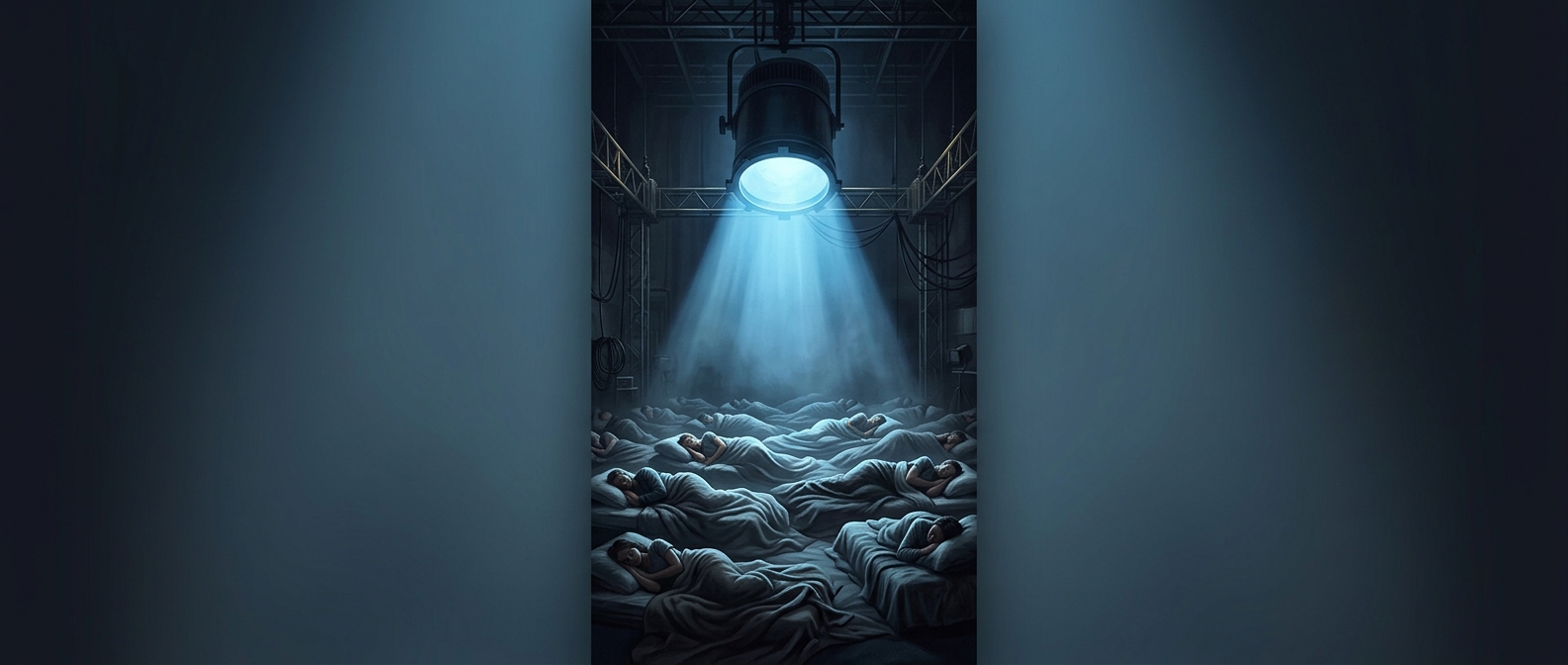
For years, American sitcoms could show a married couple at home without showing them in the same bed. Separate twin beds made the marriage legible while keeping the bedroom within the limits of broadcast propriety. The distinction was visual, but it reflected a larger rule of television: domestic life could be depicted, yet some forms of intimacy were treated as unsuitable for family viewing.
What the Flintstones Changed
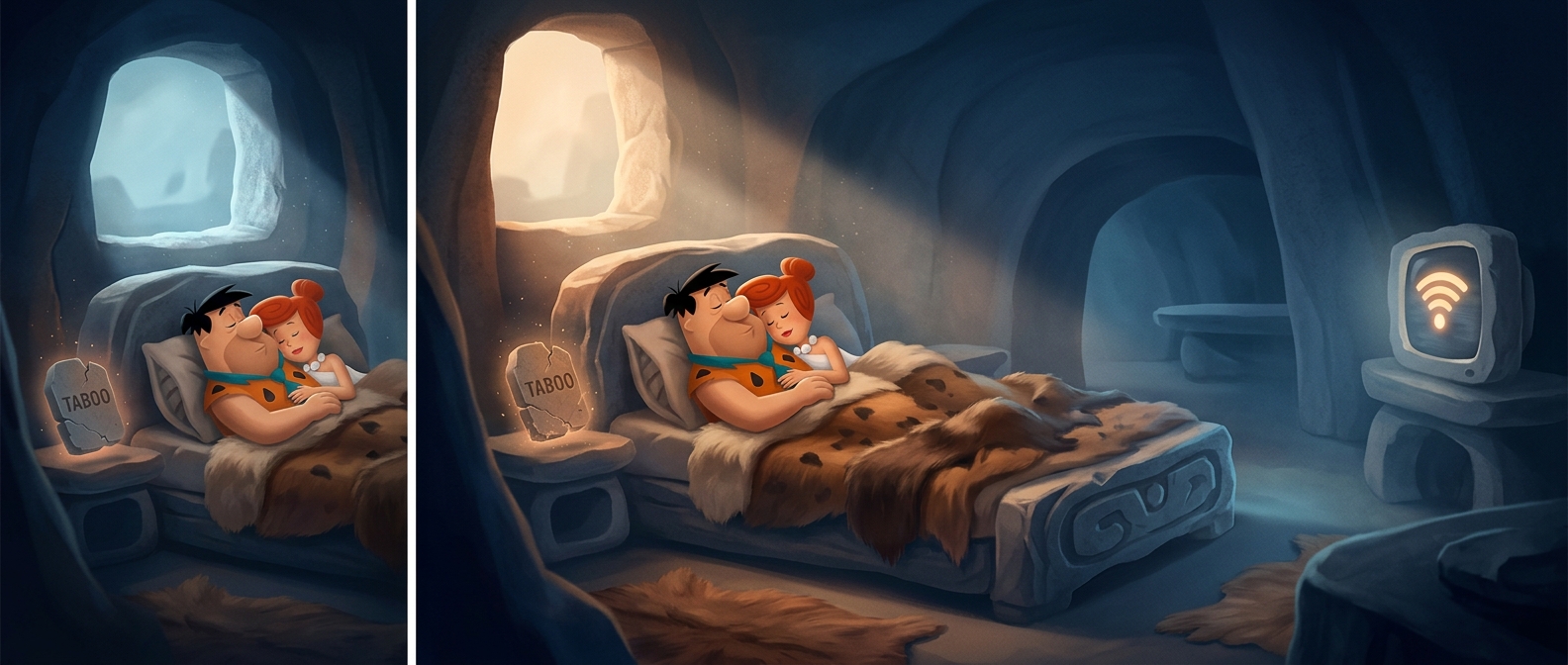
When The Flintstones arrived in 1960, Fred and Wilma sharing a bed made an ordinary feature of married life visible on a major network. The image did not show sexual activity; its significance was simply that the couple occupied one bed. That small staging choice crossed a boundary earlier sitcoms had avoided.
The change also shows how much a television norm can depend on what viewers see in the frame. A shared bed could register marriage as everyday companionship rather than a relationship kept safely offscreen. Because the show was animated, the domestic scene belonged to a cartoon world—but it still appeared on network television, where the old convention had held. One bedroom arrangement made the shift unmistakable.