Why small social moments can keep tugging at your attention
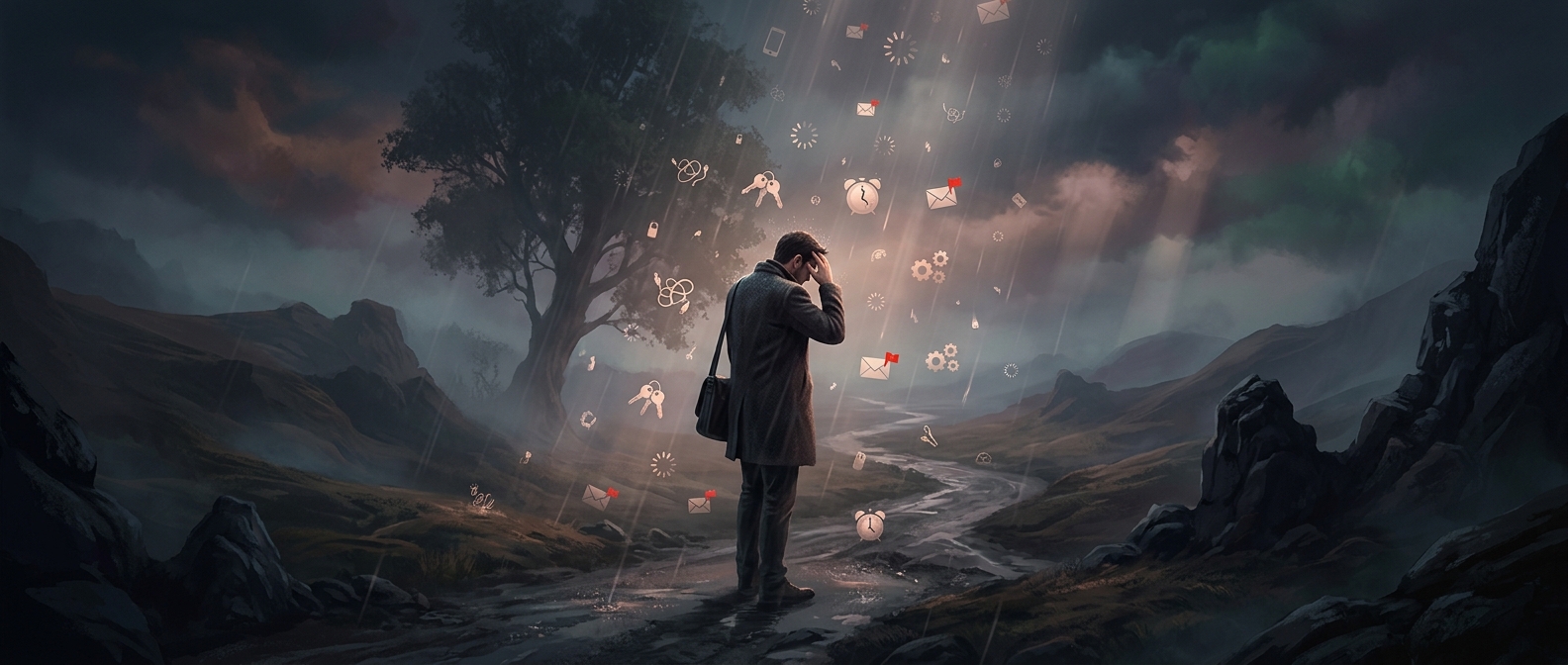
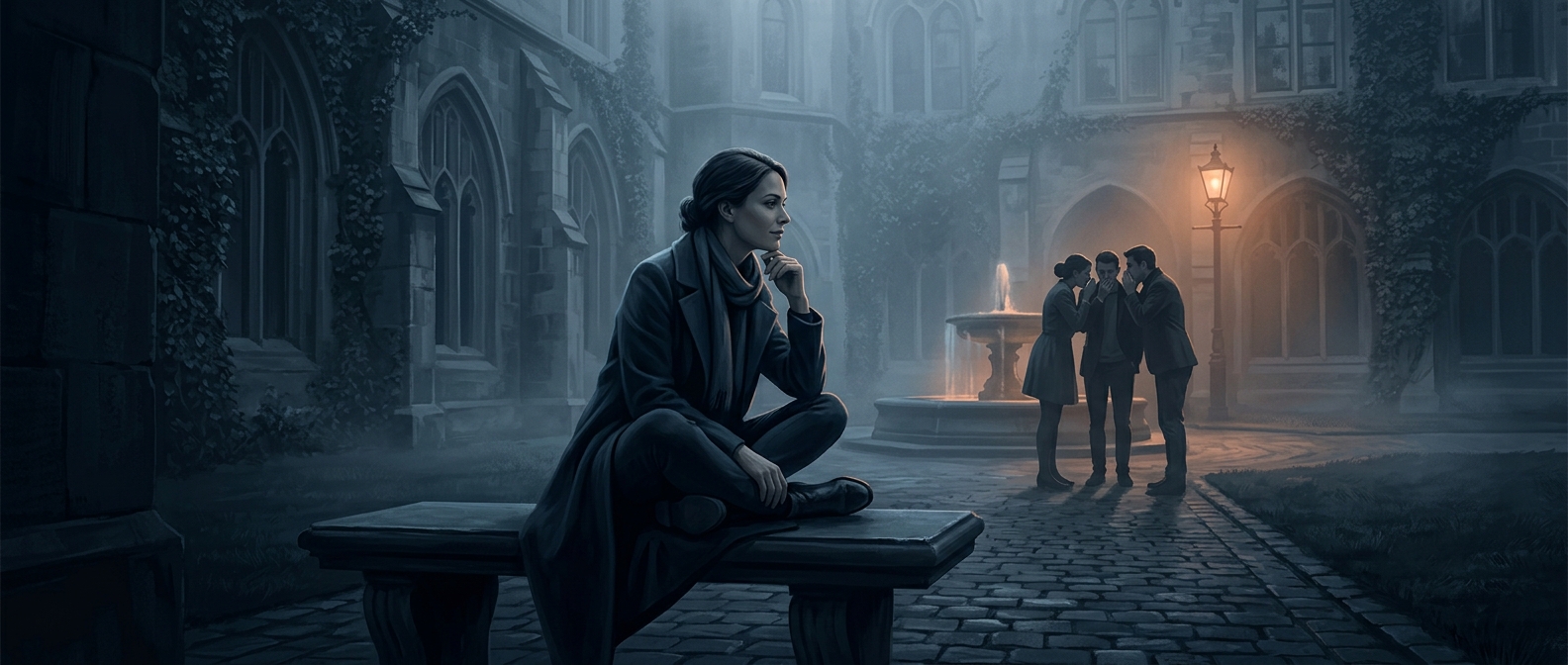
A message left unanswered or an uncertain exchange with a neighbor can feel minor, yet still demand a sliver of thought. The mind has not settled what the moment means or what to do next. Was the neighbor in a hurry, or did the half-smile signal something? Should you reply now, later, or not at all? That open question can bring the moment back to mind even when nothing serious is at stake.
Psychologists use micro-stress for these small, recurring pressures. The term points to their scale and accumulation: each may be easy to handle, but several can keep interrupting attention across a day.
The hidden cost of an unfinished scene
An unresolved moment creates a small mental task. You may rehearse possible explanations, draft a response in your head, or remember that you still need to act. These thoughts consume attention in brief bursts, often while you are trying to focus elsewhere. Because the original event is ordinary, each interruption can seem too trivial to count as stress on its own.
The strain comes partly from switching. Attention moves from the task in front of you to a message, an exchange, or a question with no clear answer, then has to return. Repeated switches can make a day feel mentally crowded without one dramatic event to point to.
Why noticing the pattern matters
A major crisis tends to be obvious; small social frictions are easier to dismiss or carry along unfinished. Recognizing them does not mean treating every awkward moment as a serious problem. It can simply help identify what keeps resurfacing: perhaps a reply that needs sending, a misunderstanding worth clarifying, or an uncertainty that has no useful answer.
The practical consequence is modest but real: a mind can be worn down not only by what happens, but by the attention repeatedly spent on what still feels unresolved.