How a stadium becomes restricted airspace
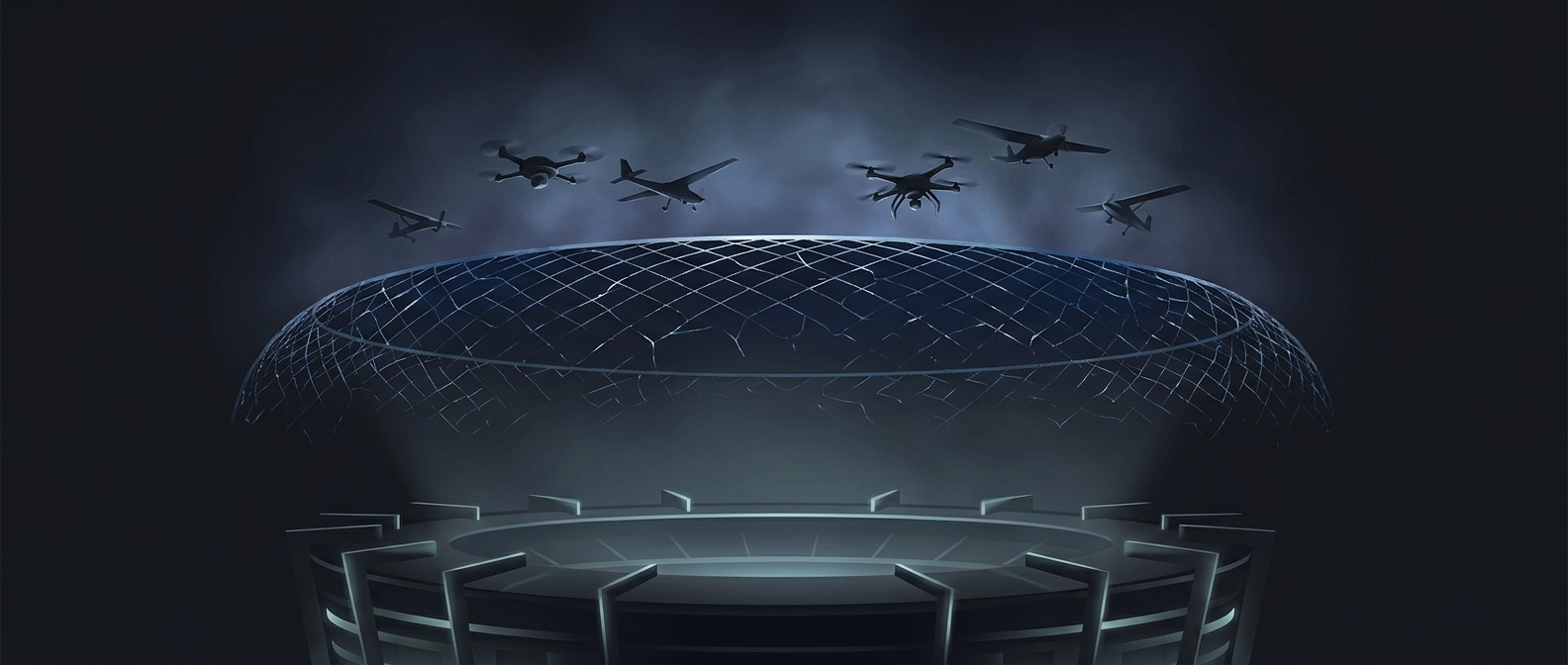
A temporary flight restriction, or TFR, is a short-lived rule that limits aircraft in a defined patch of sky. For certain large outdoor sporting events, aviation authorities can establish a restricted area around the venue during specified hours. The boundary is invisible from the ground, so a pilot cannot judge whether a flight is legal just by looking at the stadium.
The restriction is published for pilots to check before departure, including its location and active times. Those details matter: a stadium is not automatically off-limits every day, and the limits depend on the particular restriction. Pilots must plan around the posted boundary rather than assume that flying high or passing quickly makes entry acceptable.
Why the rule matters during a game
A stadium concentrates thousands of people in one exposed place. An aircraft or drone overhead can create a safety risk, interrupt play, or trigger a security response—even if its operator intends only to film. Restricting nearby flights gives event organizers and authorities fewer unknown aircraft to monitor while a crowd is gathered.
That is why an apparently harmless pass can become an enforcement issue. Entering restricted airspace may lead to penalties, and authorities can seize equipment. For anyone planning an aerial shot, the key step is checking the active flight restrictions before launching: the sky above the seats may be part of the event’s security perimeter, even when nothing marks it on the ground.