Why the Bodyguard Became Part of the Show
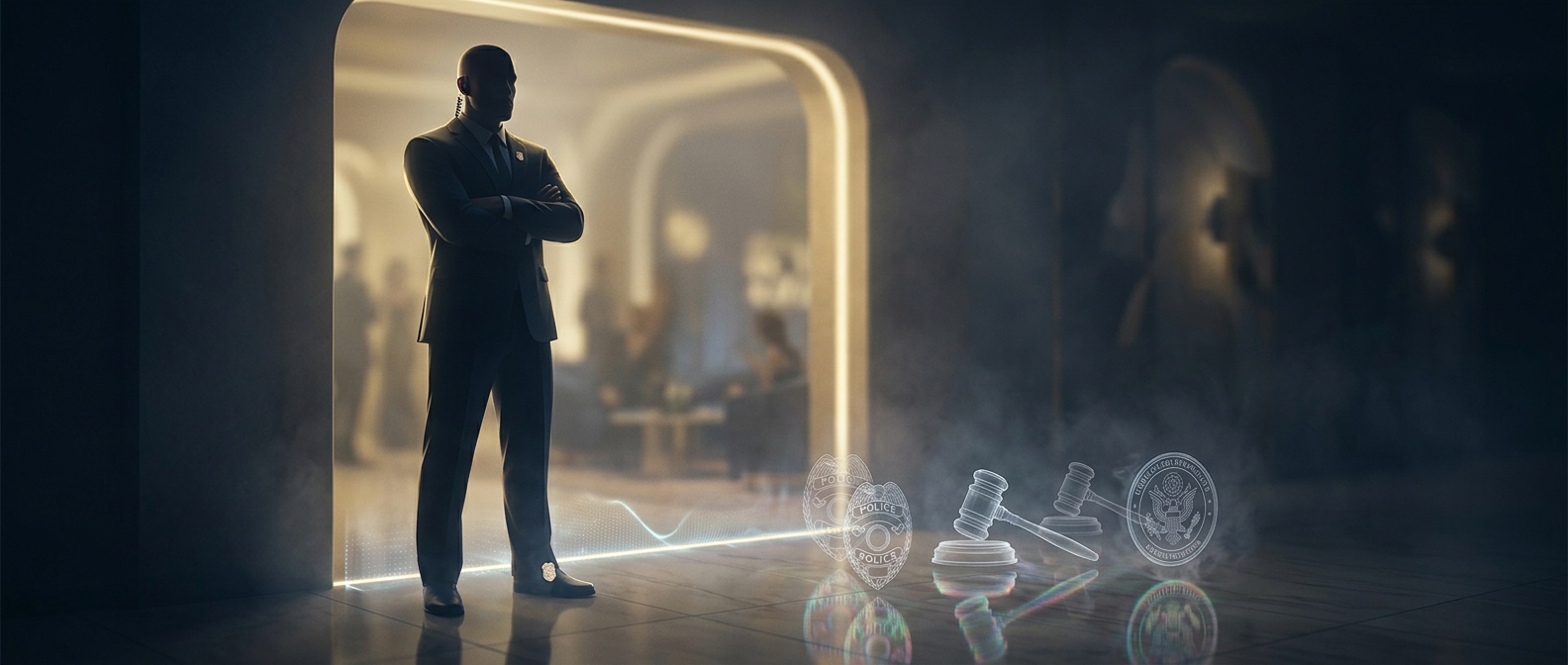
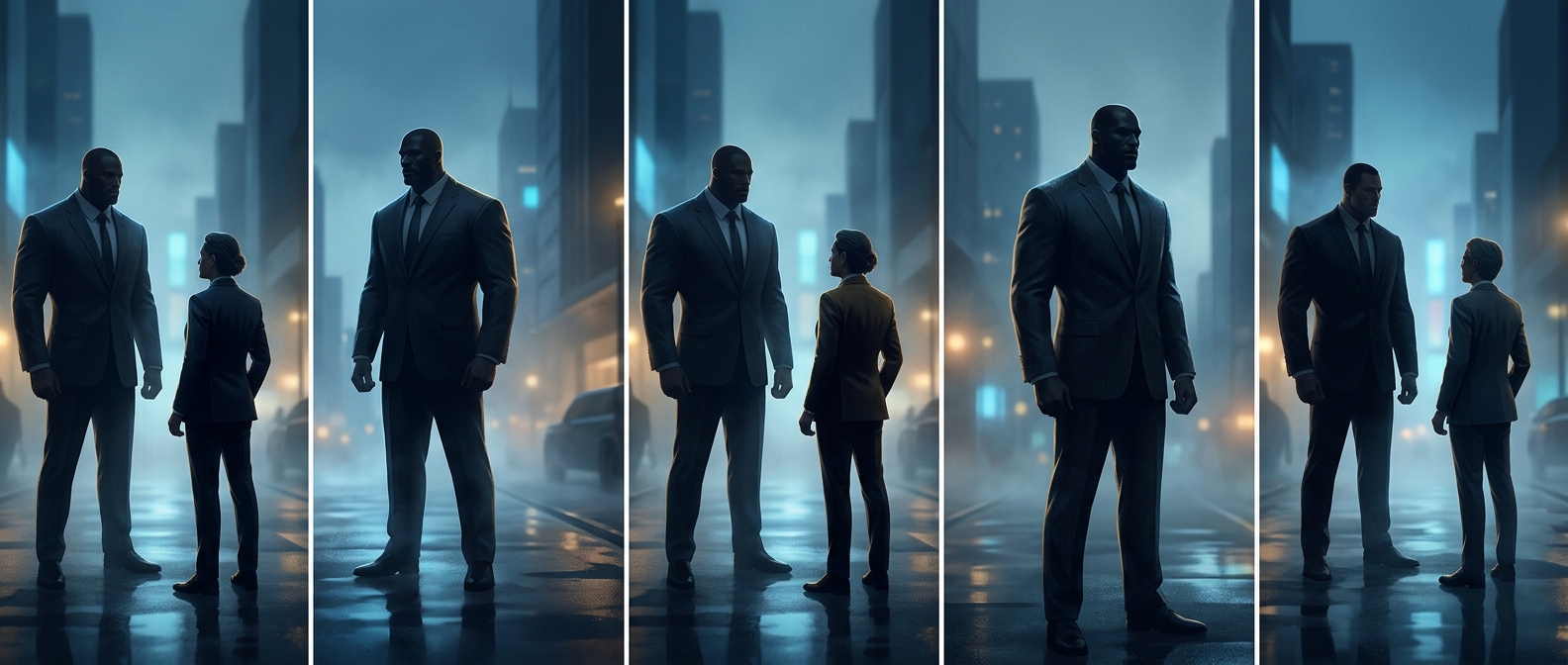
On a daytime talk show, a muscular bodyguard could do more than keep a volatile guest or audience member from reaching someone. Once visible on camera, the guard also became a character in the scene: a silent, imposing presence whose job seemed likely to become necessary at any moment.
That image made a complicated situation easy to read. Viewers did not need an explanation of the room’s security plan; a guard stepping between people signaled that an argument had crossed into possible physical danger. His presence could heighten suspense even before anyone moved.
Security That Could Carry a Scene
The practical role and the dramatic effect reinforced each other. A guard had to watch people, keep pathways clear, and be ready to intervene. Those same actions—standing close, moving into the frame, guiding someone away—were also legible television. In a crowded set, a calm, visible intervention could restore order while giving the audience a clear focal point amid shouting and movement.
The bodyguard’s stillness mattered, too. Against a guest or crowd growing louder, a large person holding position offered a visual contrast: force was present, but it had not yet been used. That tension let a show communicate risk without requiring a fight.
A Supporting Role With Dramatic Weight
Making guards visible could blur the line between backstage logistics and performance. It did not mean every confrontation was staged, or that security was merely for show. Rather, television turned a necessary safety role into part of the scene’s visual storytelling. The guard could protect people and, simply by appearing in the frame, make the audience feel how close the segment seemed to be to losing control.