Why a Polygraph Makes Good Television
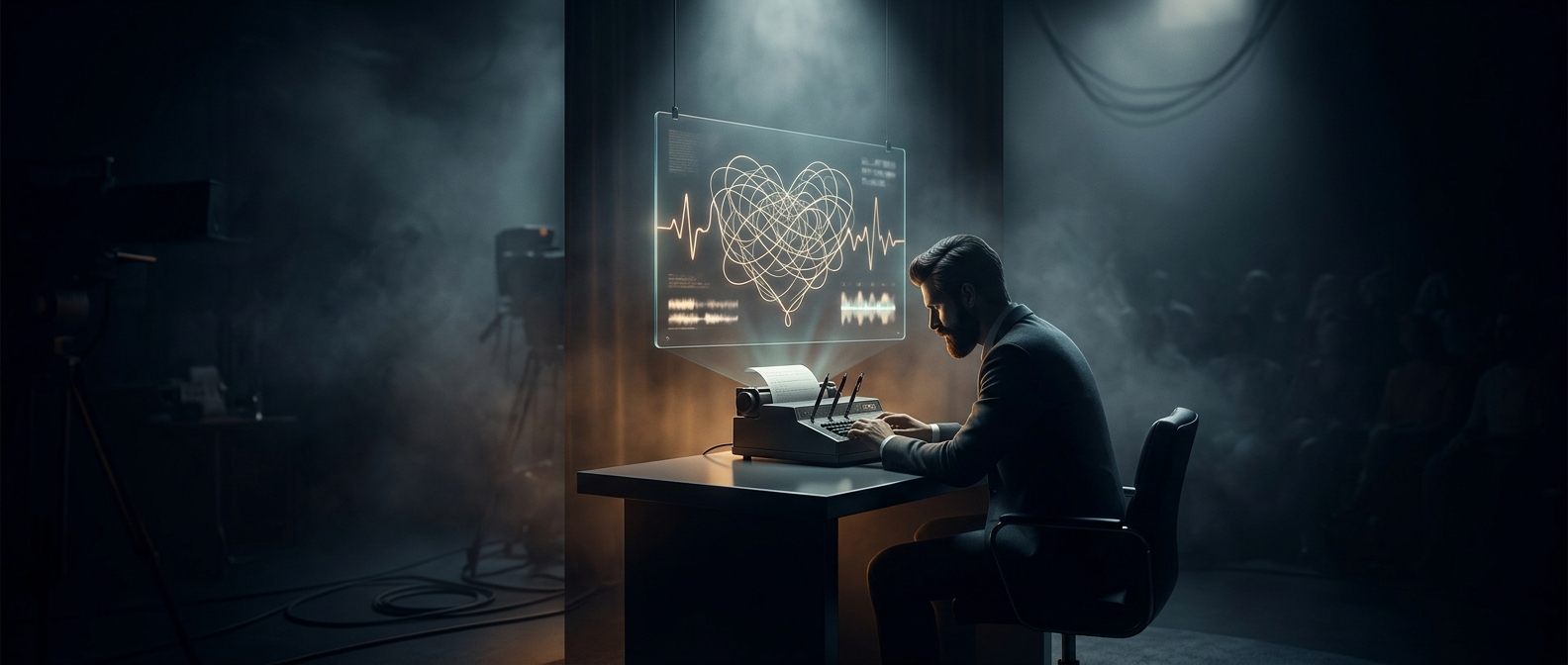
A polygraph does not detect lies directly. It records bodily signals such as breathing, pulse, and sweating while a person answers questions. Those signals can change with stress, fear, anger, or embarrassment—not just deception. An examiner interprets the patterns, so the result is an inference, not a machine’s objective verdict.
That gap between measurement and certainty is exactly what makes the device useful in a daytime-show confrontation. A test gives a private accusation the appearance of a formal procedure: one person asks whether a partner was unfaithful, another submits to questions, and the result arrives as a seemingly authoritative answer. The audience can anticipate a reveal even though the test cannot reliably settle the dispute.
The Result Becomes the Scene
The test also creates a television-friendly sequence: suspicion, questioning, suspense, then a verdict. The emotional response to that verdict—relief, anger, denial, or tears—can become the real event. Because viewers see the announcement and the reaction, the show can present a disputed interpretation as a decisive turning point without resolving what actually happened.
That is the format’s tradeoff: the polygraph supplies drama by making uncertainty look measurable. A result may shape how the people involved confront one another, but it is not proof of fidelity or betrayal.