Why white paint works in sun and dust
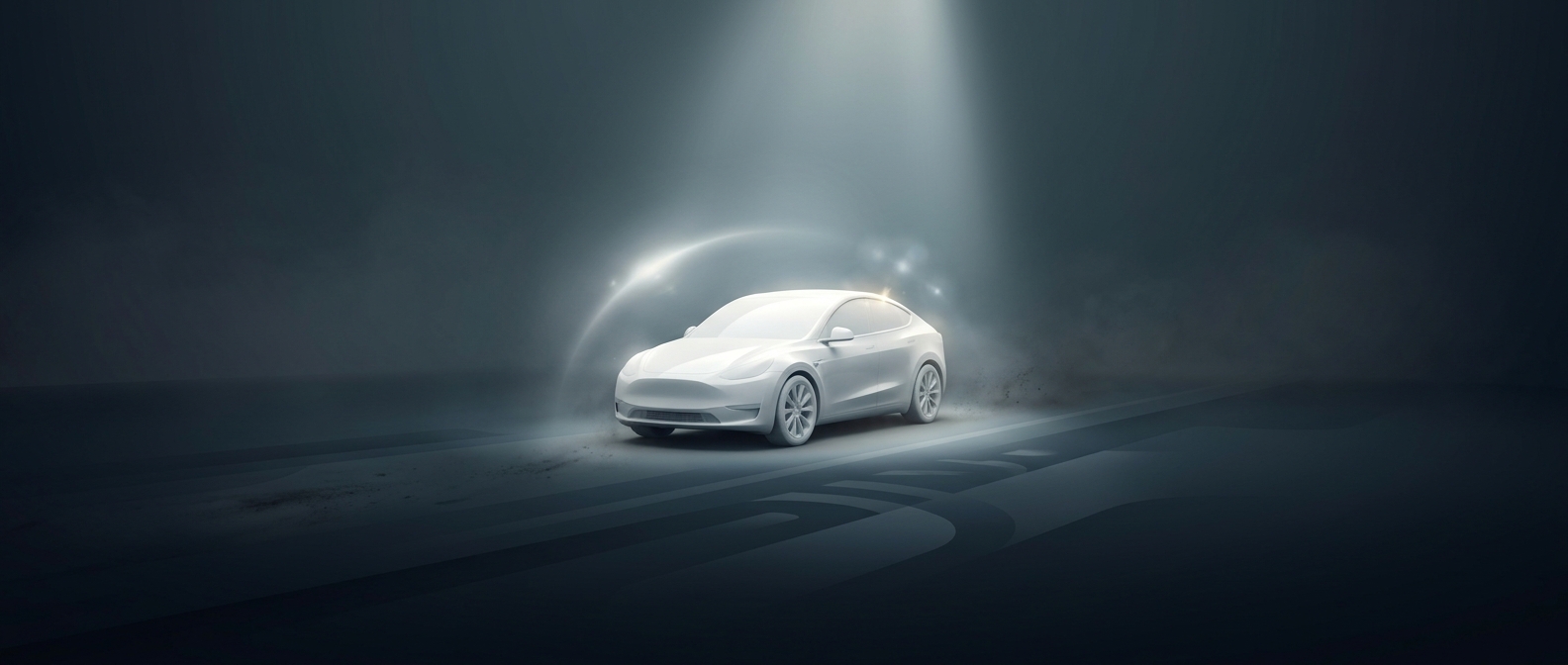
Sunlight carries energy that can warm a car’s body. White paint reflects a larger share of that incoming light than darker paint, so the metal beneath it absorbs less heat. That can reduce how hot the exterior gets while a vehicle is parked in the sun. It does not make the cabin immune to heat: sunlight still enters through the windows, and the interior’s materials and ventilation also matter.
The same pale surface changes how road dust looks. Dust often appears as a light, thin film, so it blends more readily with white paint than with a dark finish. The dirt has not disappeared; it simply makes less visual contrast. Mud, oily marks, and dark streaks can still stand out, so white is no substitute for washing.
A practical advantage, not a cure-all
These effects help explain white’s broad appeal: it offers a useful combination of lower solar heat absorption and a forgiving appearance between washes. The benefit is most noticeable in bright sun and when the grime is pale, dry dust. In other conditions, the advantage shrinks—a shaded car gains less from reflective paint, and wet or dark dirt is easy to see on any color.
For drivers, the practical payoff is modest but visible: the car may feel less punishing after sitting in sunlight, and everyday dust may not announce itself as quickly. White paint cannot prevent heat from building inside a closed vehicle, but it can reduce one source of that heat before it reaches the cabin.