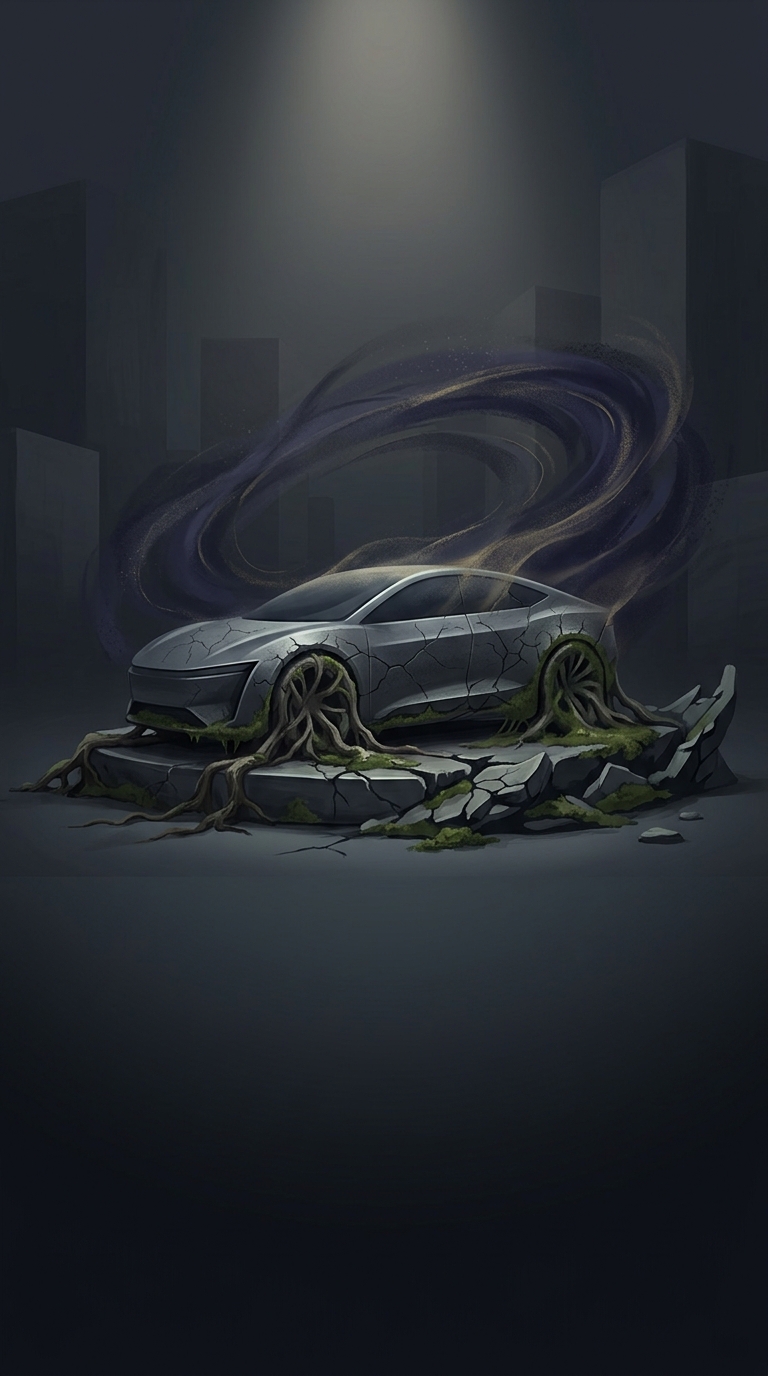
A car’s costly job happens while it is standing still
A privately owned car is not just a way to travel; it is a way to keep a vehicle ready for an unpredictable trip. That readiness has a price. The owner pays for the car, insurance, registration and often parking whether the car is moving or not. Fuel and some wear accumulate during trips, but much of the ownership cost does not pause when the engine does.
The roughly 95-percent figure captures this mismatch between availability and use: a car may be essential for a short journey yet sit idle through most of the day. Its value to its owner is not measured only in miles driven. It also lies in being there when a shift ends, an errand comes up or other transport is unavailable.
Why one car stays tied to one person
Demand is uneven. Many people need a car at similar times—such as for a morning commute—while leaving it unused for hours afterward. A privately owned vehicle generally cannot serve another driver during that gap without coordination, permission and a way to hand it over. Parking it at home or work is simpler, even if the vehicle is underused.
That pattern helps explain why alternatives such as car-sharing appeal most when they make access reliable and convenient. Sharing can let several people use the same vehicle at different times, spreading its cost across more trips. But it works only if a car is available near the user when needed; a shared vehicle that is elsewhere, booked or awkward to reach does not provide the same assurance as one waiting outside.
The tradeoff behind the idle hours
For an individual, buying a car can still make sense if reliable access matters more than keeping the cost per trip low. The broader inefficiency is that each owner pays to keep a large asset ready for occasional use, while the vehicle and its parking space could serve more people at different times. The striking question is therefore not just how far a car travels, but how much its owner pays for the hours it must be ready to leave.