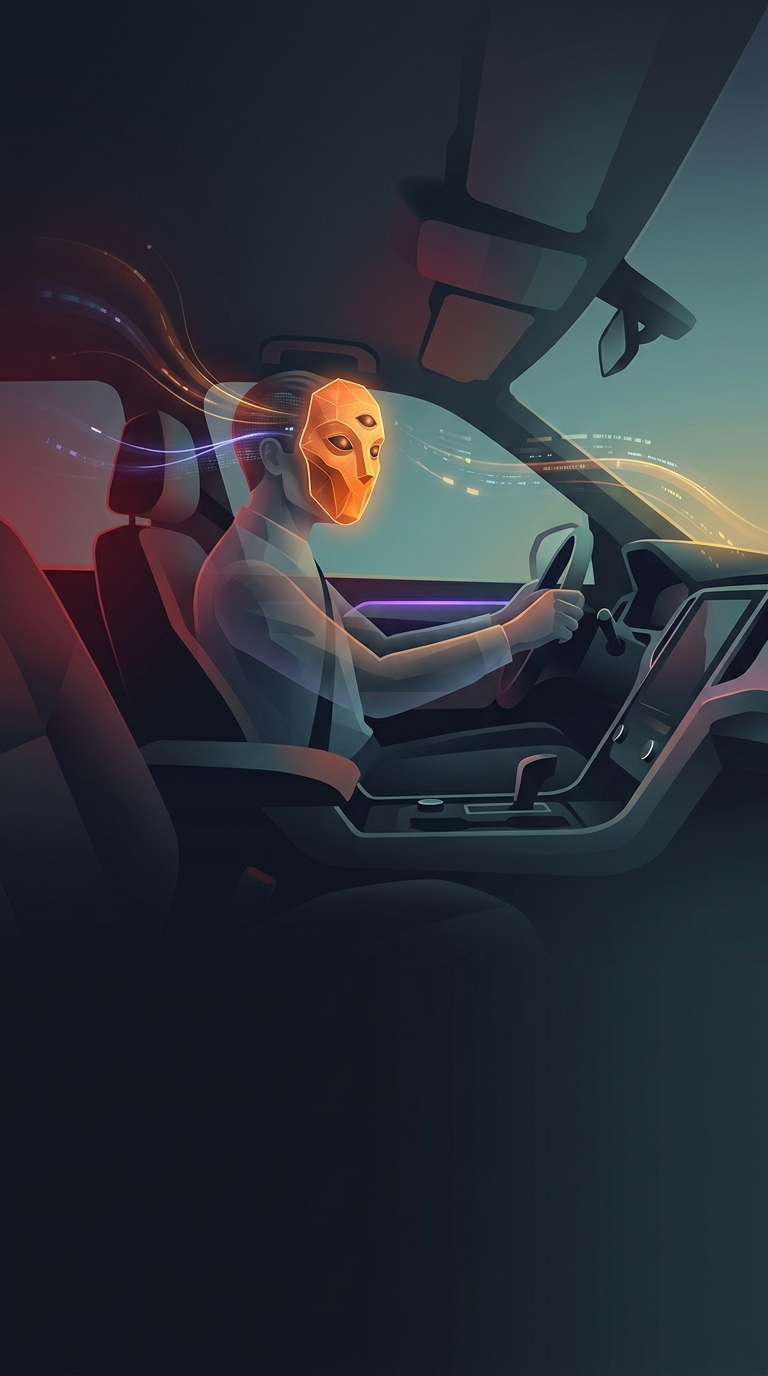
When a Bigger Vehicle Changes the Feeling of Risk
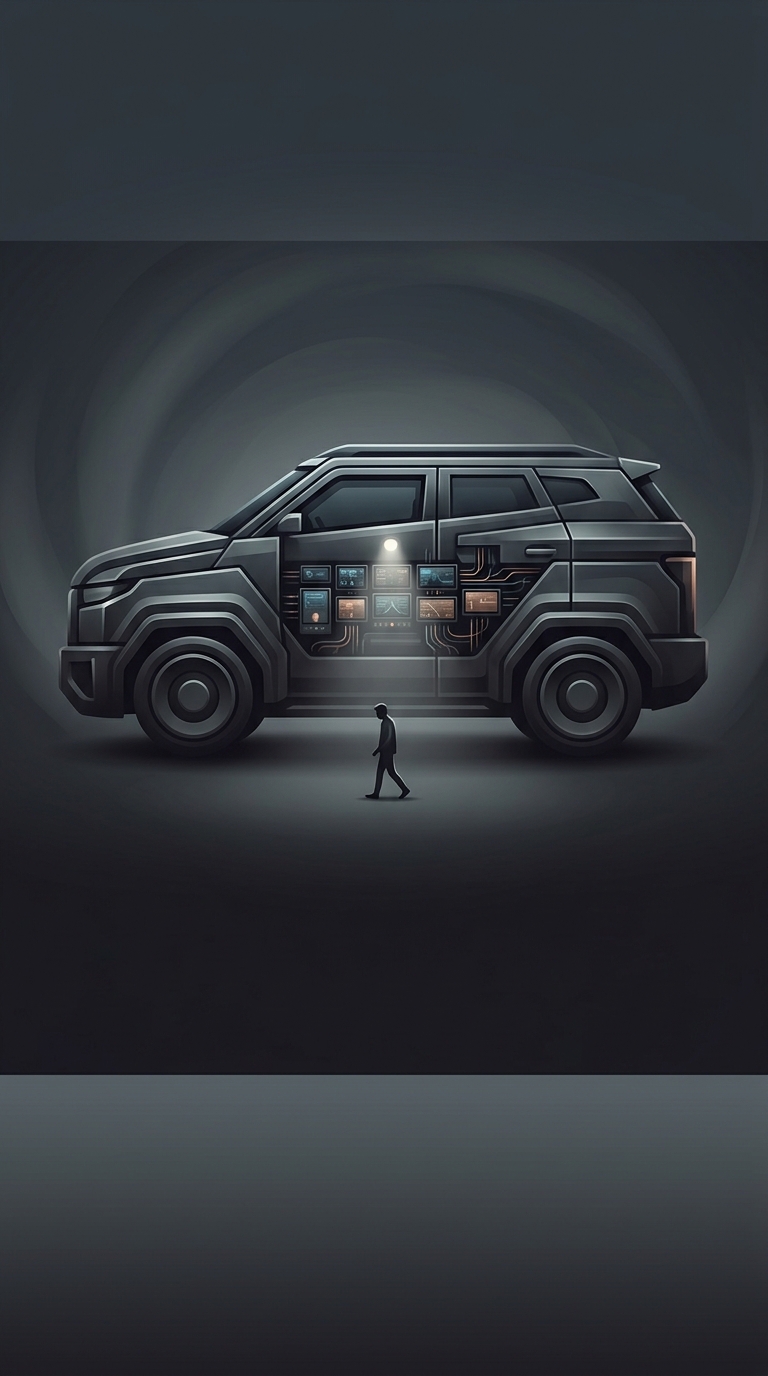
A massive SUV can make its driver feel less exposed. The higher seat gives a commanding view of the road, while the vehicle’s size and weight can create a sense of protection from surrounding traffic. That feeling is not the same as being able to stop or maneuver more easily: a large vehicle can have substantial blind spots and needs room to turn and brake.
The Subtle Shift: Confidence Can Outrun Caution
When people feel better protected, they may become less alert to the risks they still face. In transport research, this general pattern is often called risk compensation: someone may adjust behavior in response to feeling safer. It does not mean every SUV driver becomes aggressive, or that the change happens automatically. It describes a possible shift in judgment—following closer, squeezing into tighter gaps, or feeling more comfortable with a maneuver that would seem daunting in a smaller car.
The mismatch matters because the driver’s sense of security is personal, but the vehicle’s size affects everyone nearby. A driver may feel buffered from a collision while pedestrians and occupants of smaller vehicles have no such buffer. The consequential change, then, is not a guaranteed personality makeover; it is the possibility that added confidence makes caution feel less necessary.