Why Britain kept to the left
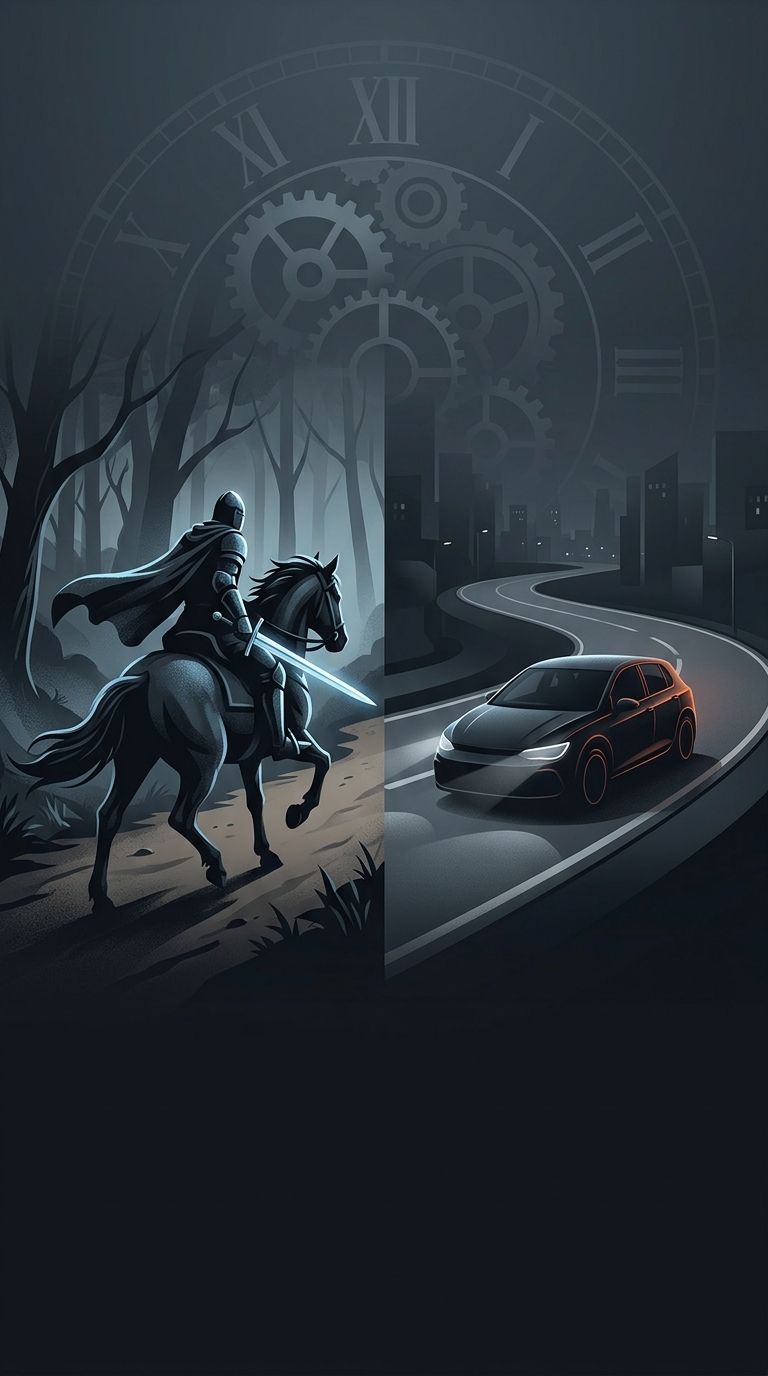
The sword-hand explanation offers a vivid reason for keeping left: a right-handed rider would have his weapon arm toward someone approaching from the other direction. In an era when travelers could meet on narrow, exposed roads, that position also made it easier to watch and respond to a potential threat.
It is a plausible account of how a custom might have begun, not a documented single decision that created Britain’s rule. The precise origins are difficult to establish. What is clearer is that keeping left became an established British road convention long before motor vehicles appeared.
A custom becomes a rule
Once travelers, horse riders and carriages generally expected one another to stay left, changing sides would have made encounters less predictable. The convention could reinforce itself: each road user’s choice made the same choice more useful for everyone else. Authorities later formalized the practice. The Highway Act of 1835 required road users to keep left when passing on bridges, giving the convention legal force in that setting.
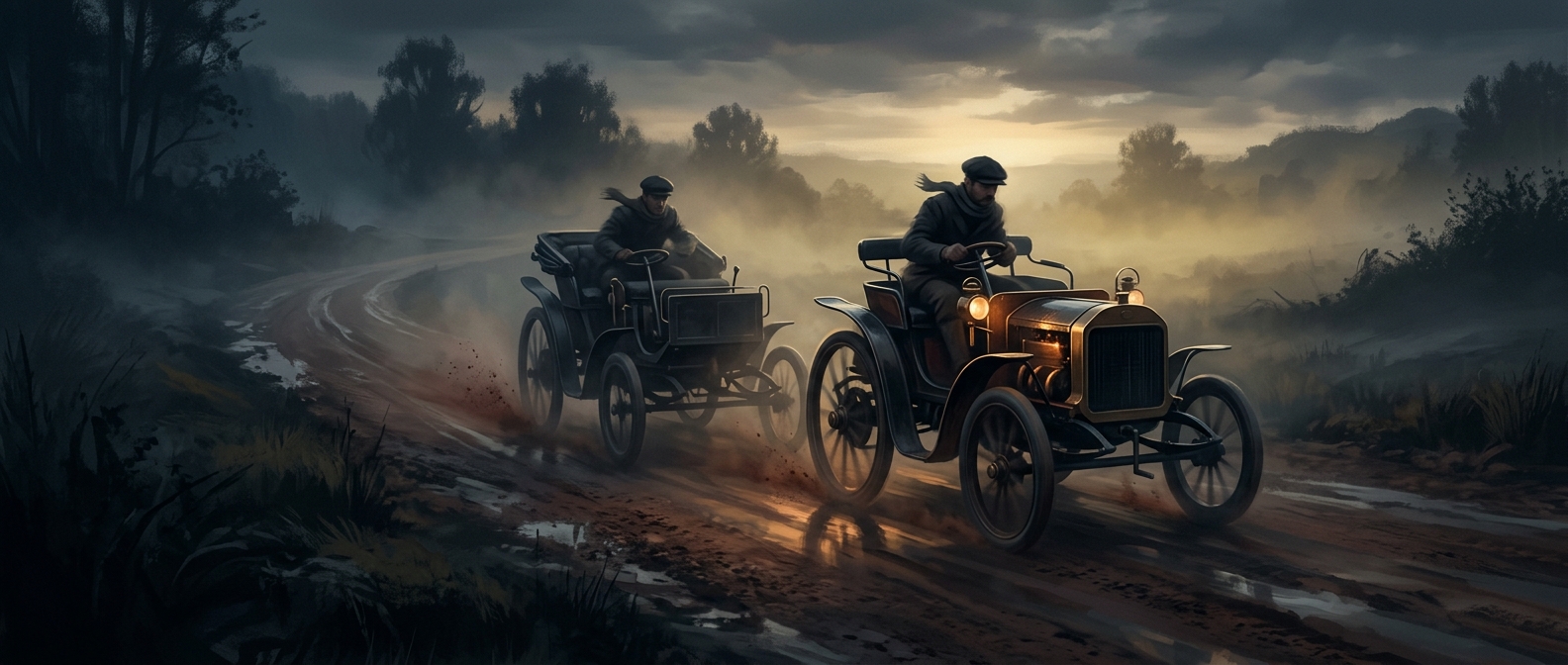
By the time cars arrived, Britain was inheriting a road system whose expected direction of travel had already been shaped by centuries of use and regulation. Motorists did not choose the left side because it offered a special advantage to an engine; they adapted vehicles and rules to the pattern people already knew.
The medieval habit in modern traffic
The old self-defense story helps explain why keeping left may have felt sensible to riders, but it is not proof that swordplay alone determined the modern rule. Customs can outlast the conditions that may have encouraged them, especially once law, road design and public expectation all point the same way. The result is a striking inheritance: a convention associated with armed riders still determines which side of the road British drivers use.