A road journey became a test of the whole machine
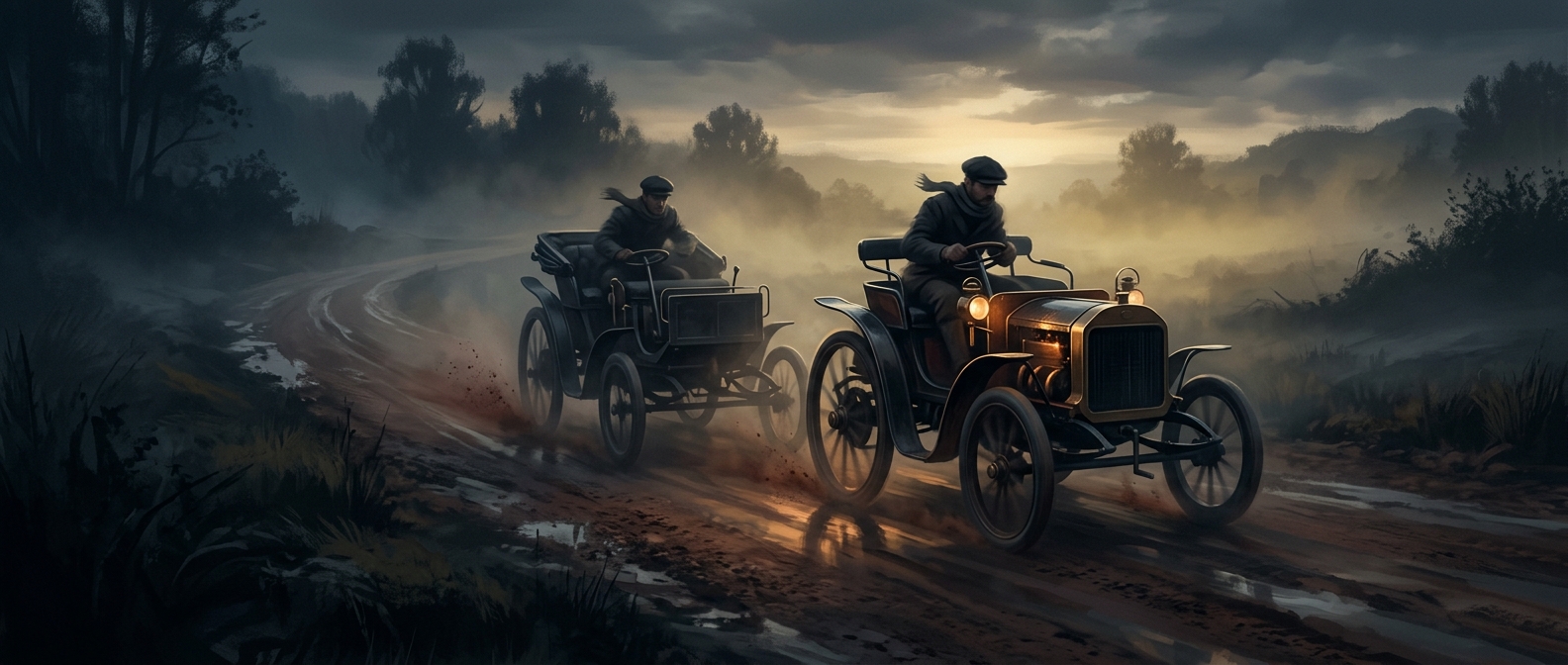
In 1894, an automobile could not be judged by speed alone. Early vehicles were unfamiliar, mechanically temperamental, and built in competing forms: some ran on gasoline, others on steam or electricity. A long trip from Paris to Rouen forced each design to demonstrate more than a brief burst of motion. It had to keep running, carry its occupants, and cope with ordinary road conditions.
That made the contest a public trial of whether motor travel could work in practice. A vehicle that broke down or proved difficult to control revealed problems that a short demonstration might hide. Finishing the route was evidence of endurance, not just a lucky start.
The rules reflected what buyers needed to know
Organizers treated the event less like a modern speed race and more like a comparison of usable vehicles. Judges considered qualities such as safety and ease of operation, because a machine meant for travel had to be manageable by its driver and dependable enough to be useful. Speed mattered, but it could not compensate for a design that was impractical on the road.
That emphasis shaped what the contest could prove. It did not establish that automobiles were already convenient replacements for horse-drawn travel. Instead, it made their promise—and their shortcomings—visible over a real journey. The striking achievement was not simply that a motor vehicle moved quickly; it was that one could be asked to travel from one city to another at all.