When Horses Were the New Car’s Main Road Hazard
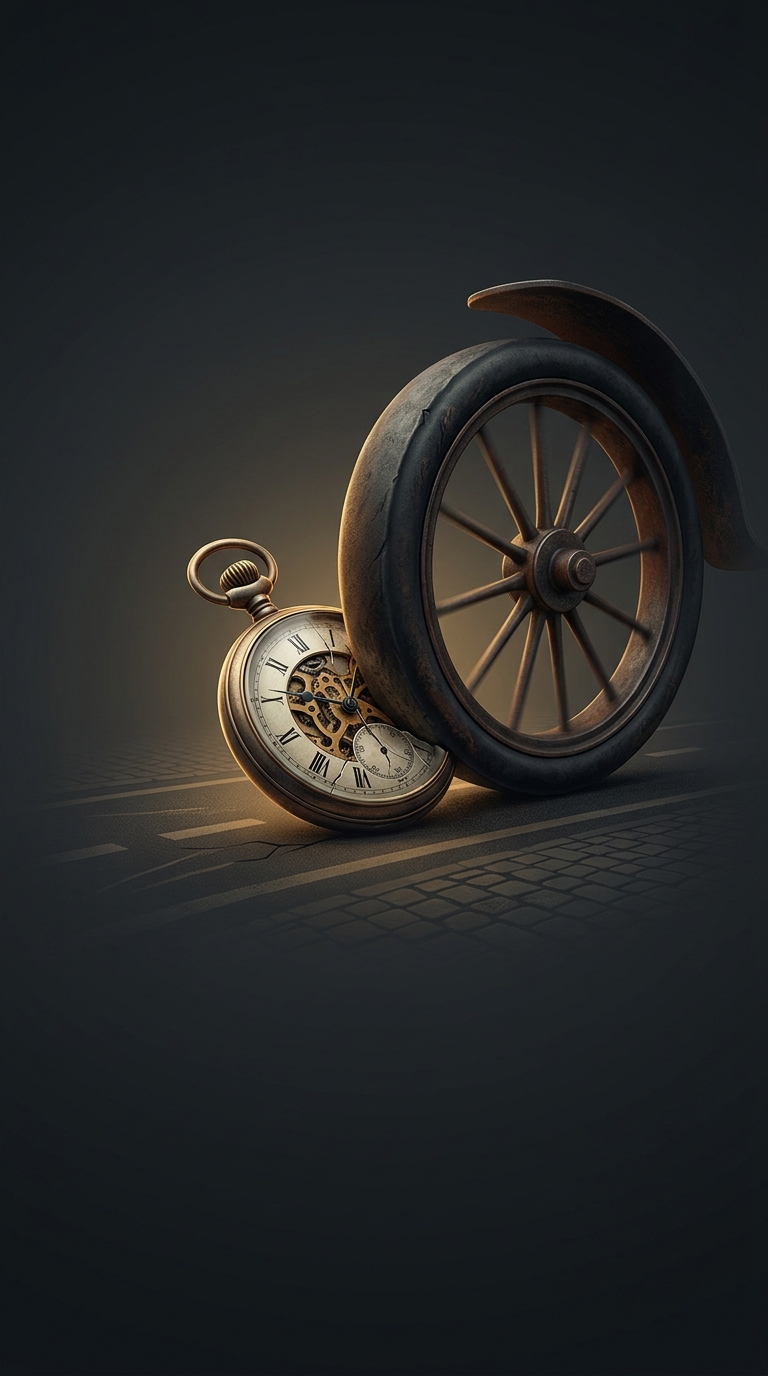
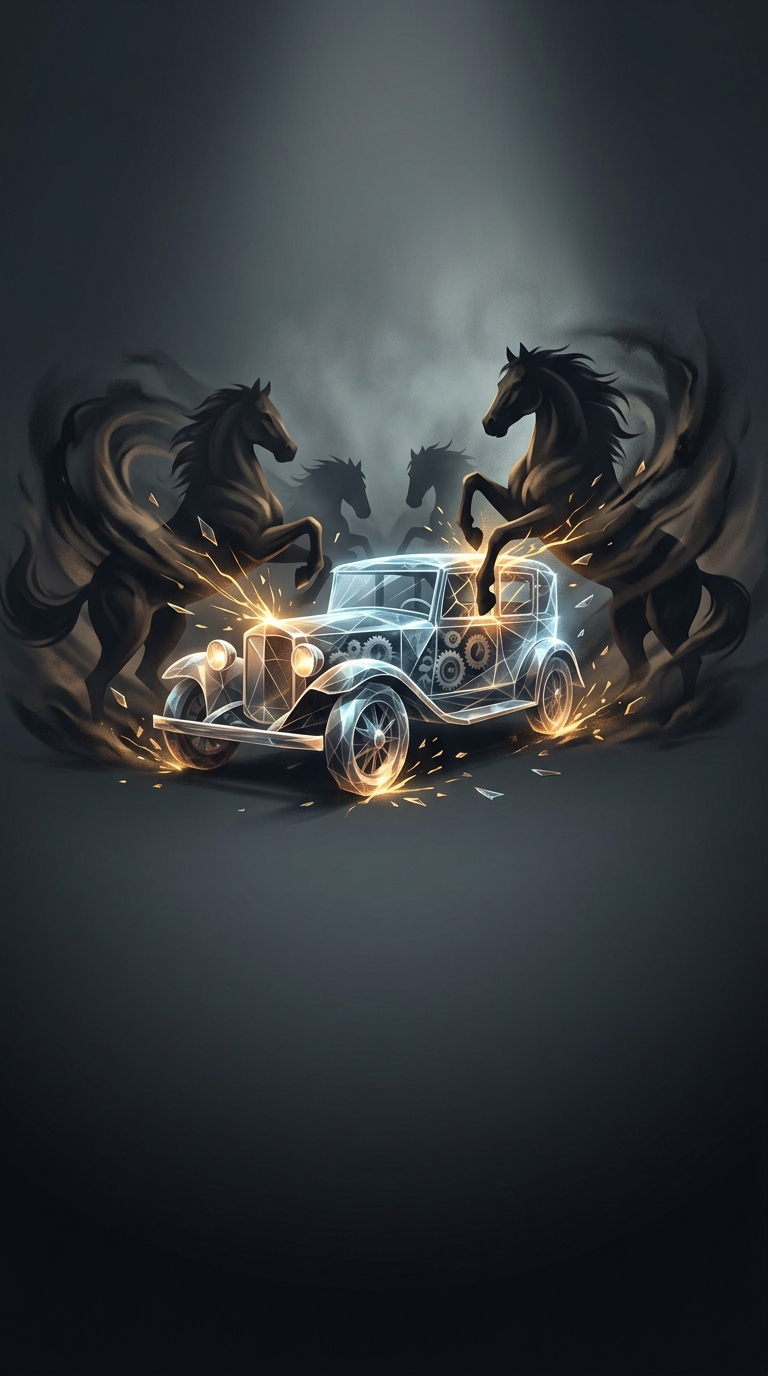
An early automobile did not enter an empty road system. It had to share streets with horse-drawn wagons and carriages, whose drivers, animals, and turning habits were already part of daily traffic. A horse could shy, bolt, or pull a vehicle into a car’s path. For an unfamiliar machine with little protection in a collision, that was a practical worry—not just a fear of mechanical failure.
The policy issued by Travelers Insurance Company in 1897 addressed that mismatch between new technology and old roads. Its coverage for damage involving horse-drawn traffic reflected the risks drivers actually faced at the time, rather than the hazards people now associate most readily with cars.
How Insurance Made an Unfamiliar Risk Manageable
Insurance works by shifting the cost of a possible loss. A policyholder pays for coverage, and the insurer takes on an agreed financial risk. That can make an uncertain, potentially expensive accident easier to bear—even when the danger comes from another road user rather than from the insured vehicle itself.
The idea mattered as automobiles began sharing public space with established forms of transport. Roads were not redesigned overnight for cars; the machines arrived amid existing traffic patterns and expectations. Insuring against collisions with horse-drawn vehicles was one way to adapt to that reality while the automobile remained new.
The telling detail is how quickly transport change can invert what seems like the obvious danger: in 1897, a car’s insurance story could begin not with another car, but with a horse in the road.