The handle was meant to help you get in—not brace for a turn
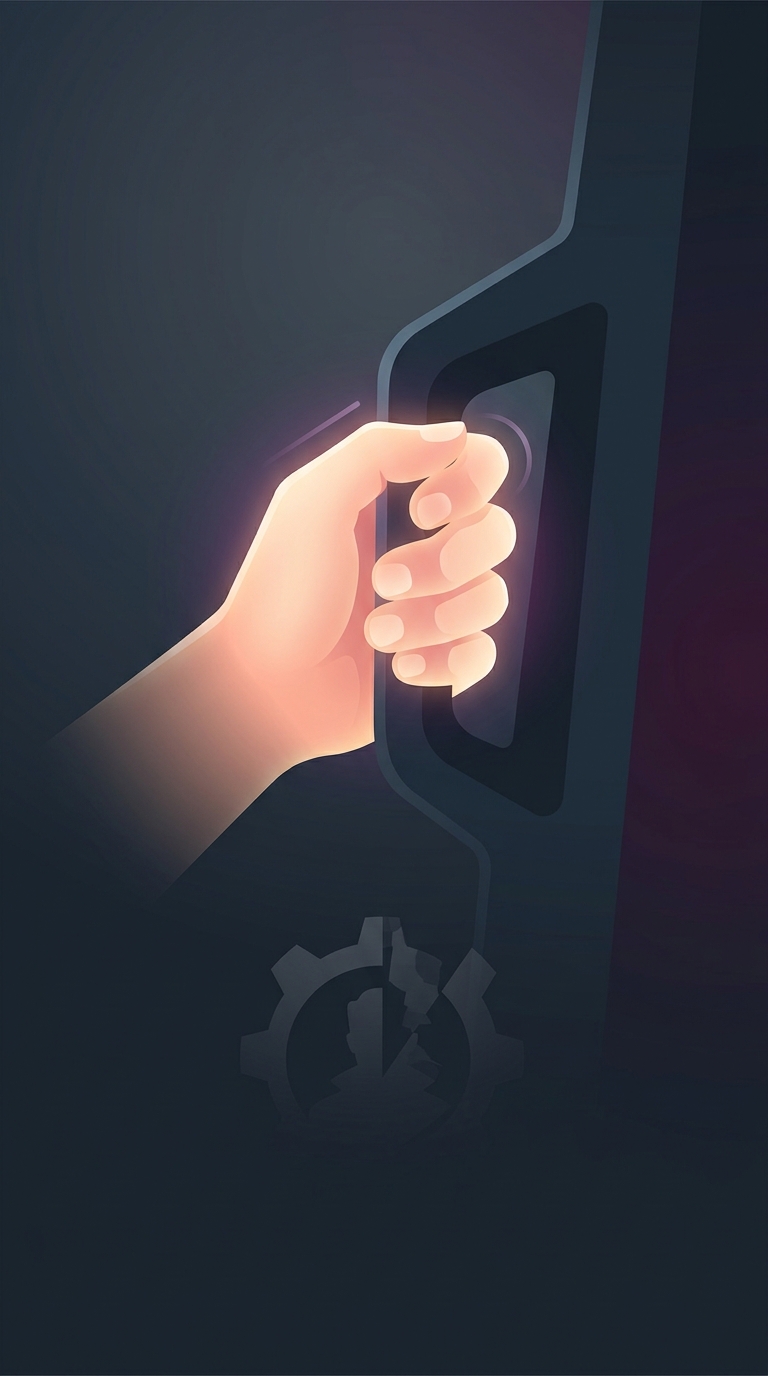
The small handles above a car’s side windows are often called grab handles, but their original purpose was more specific: they gave a person something to hold while climbing into or out of a vehicle. That mattered especially in taller cars and trucks, where stepping up to the seat could be awkward. A passenger could use the handle to steady themselves, then let go once seated.
Why they ended up over the windows
Placing a handle above the door put it within reach without taking up room on the floor or door panel. It also offered a firm point to pull against while entering or exiting. In older vehicles, handles were often fixed in place; many modern cars use spring-loaded versions that fold against the roof when not in use, keeping them out of the way.
The familiar name has encouraged another use: passengers may clutch the handle when a car corners or hits a bump. But it is not a substitute for a seat belt, and it usually cannot stop a passenger from being thrown around in a crash. Its practical job is far more ordinary—helping someone steady their body during the step between the ground and the seat.