A new kind of danger on a public path
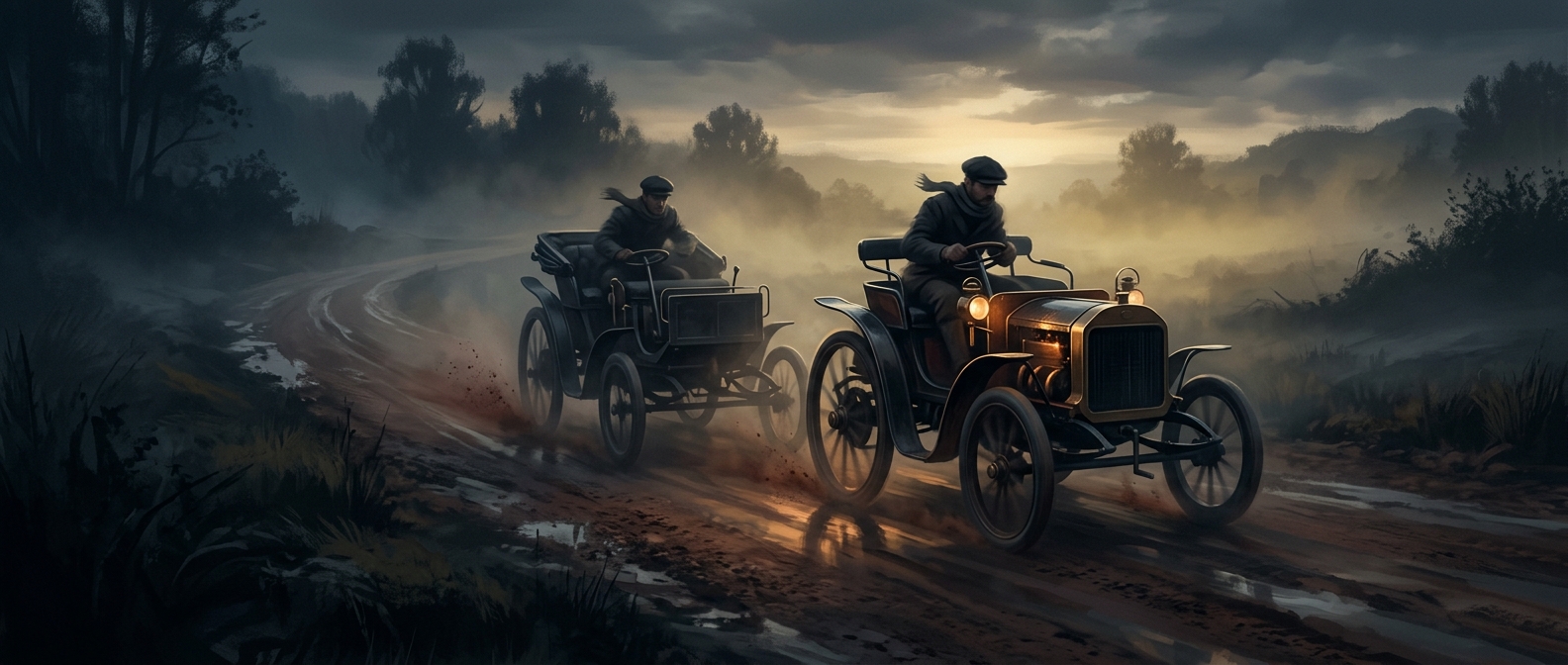
In 1896, motor vehicles were rare enough in Britain that most pedestrians had little experience judging how quickly one could approach or how much room it needed to stop. A vehicle moving without a horse was not simply another carriage: its speed and sound gave people unfamiliar cues, and the rules of the road had not yet adapted to it.
Bridget Driscoll’s death made that mismatch impossible to ignore. The danger was not only the vehicle itself, but a street environment in which pedestrians had no settled expectations for sharing space with powered traffic.
Why the inquest mattered
An inquest examined the circumstances of a death and could draw attention to hazards even when it did not create new traffic rules. The coroner’s hope that such an accident would not happen again captured an era’s optimism: motor vehicles were still novel, and it was possible to imagine the tragedy as an isolated event rather than the beginning of a recurring problem.
But the underlying conditions were not going away. As more motor vehicles appeared, pedestrians and drivers had to learn how to navigate the same roads, while public expectations and traffic practices developed around the new machines.
From novelty to a shared street
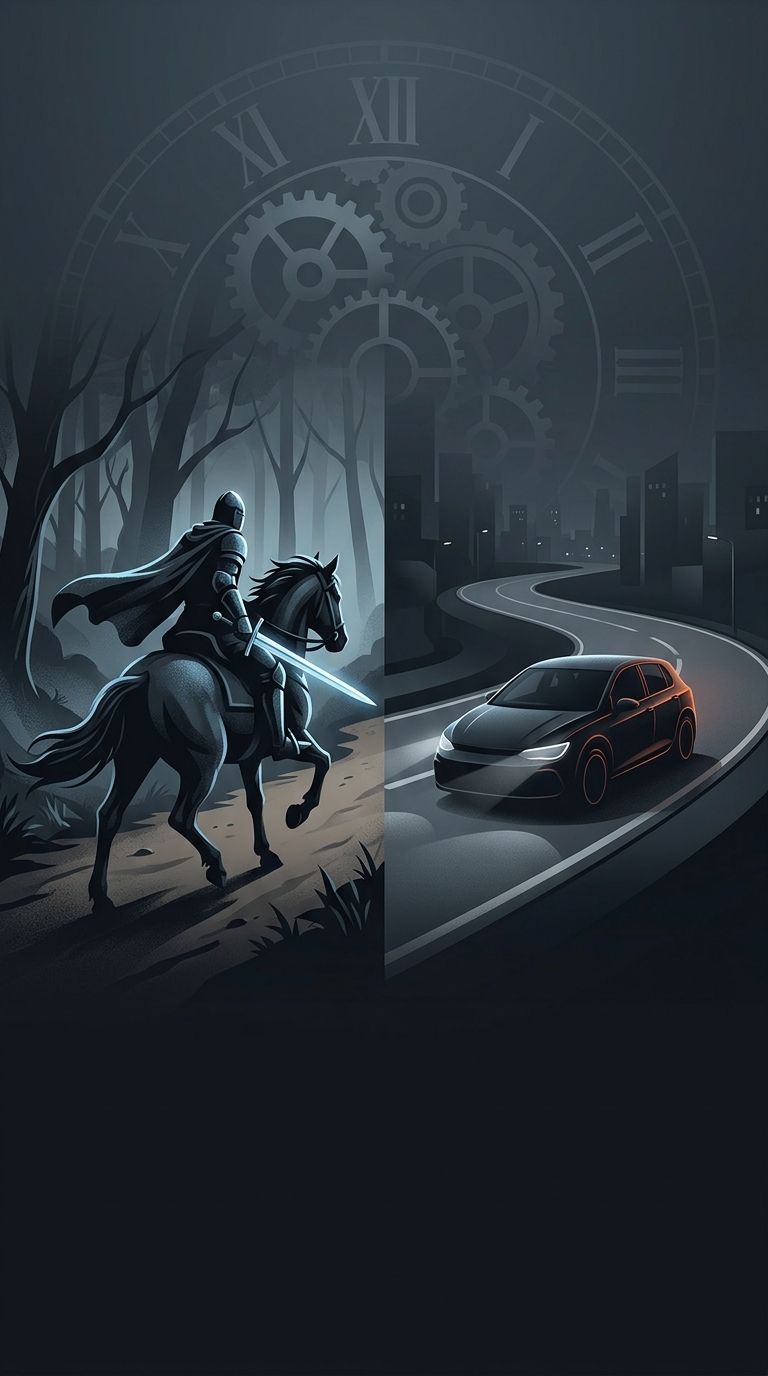
The lasting significance of Driscoll’s case is that road safety had to be learned and organized. A pedestrian could no longer rely on the assumptions formed around slower, familiar traffic; drivers, in turn, had to account for people on foot. The shift from horse-drawn travel to motor traffic changed what it meant to cross a street—and made coordination between strangers a matter of life and death.