Why the Exit Runs Through the Gift Shop
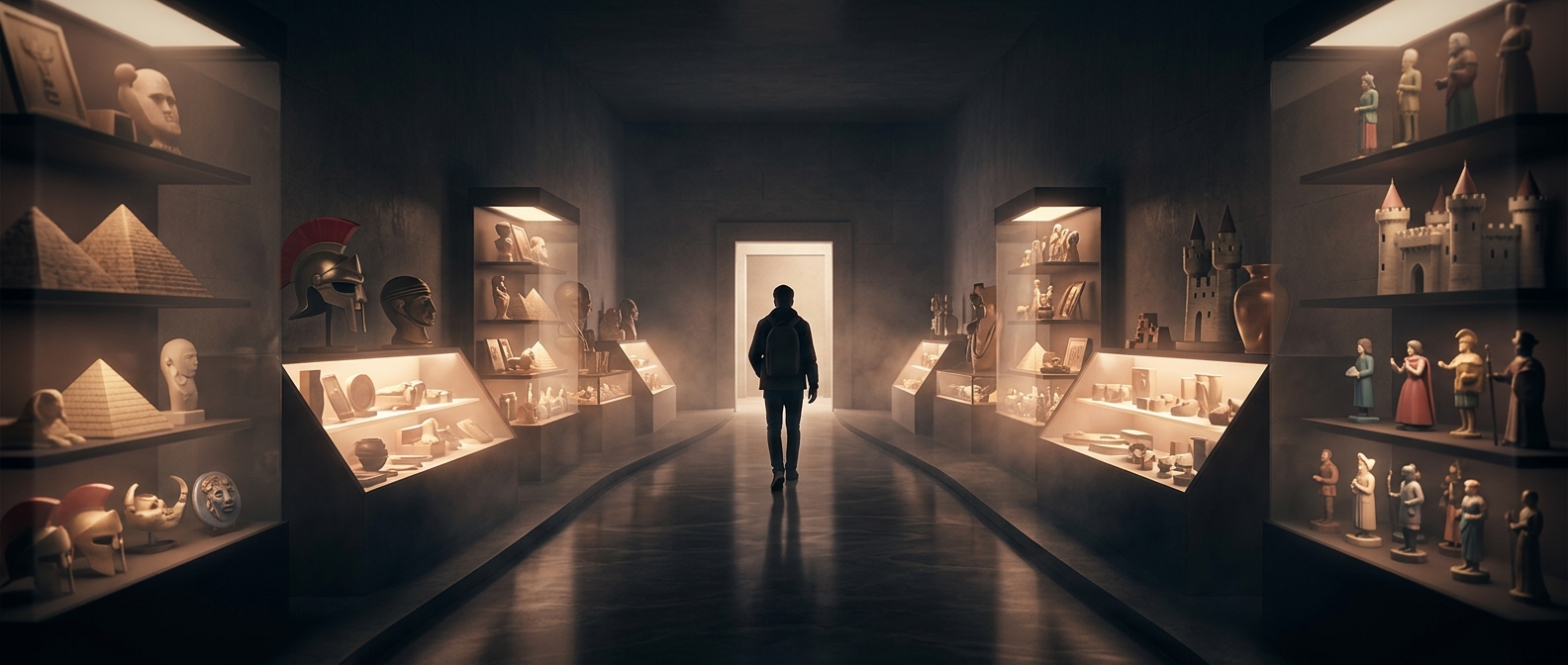
A shop placed on the way out is more than a convenient place to browse: it turns the final stretch of a visit into a sales opportunity. Visitors have already spent time inside the attraction, and the displays can connect a physical object—a shirt, toy, or postcard—to something they just experienced. That makes the merchandise part of the visit’s afterlife: a way to carry home a reminder, or to give someone else a small piece of the experience.
A Path That Shapes What Visitors Notice
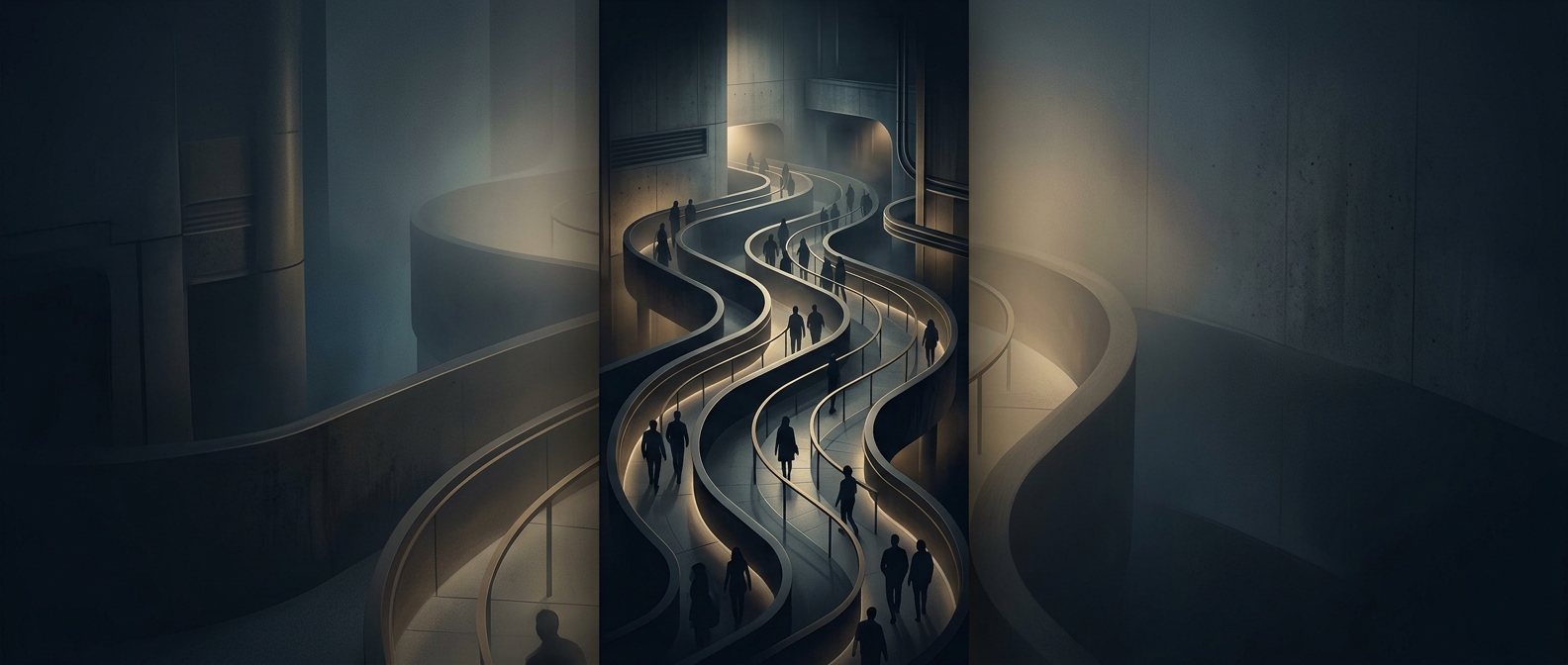
Routing everyone through one space also gives operators a predictable flow of foot traffic. Rather than hoping visitors find a shop elsewhere, the attraction brings them past its products before they leave. The arrangement can make the shop hard to miss while keeping the exit easy to identify; clear movement matters when many people are leaving at once.
The tradeoff is that a required route can feel less like browsing and more like an obstacle, especially for visitors who are tired, in a hurry, or managing children. Good layout has to balance exposure to merchandise with a path people can move through without confusion or congestion.
The Last Impression Has a Price Tag
The shop’s position matters because it comes at the moment visitors are wrapping up, when a souvenir can become a tangible ending to the outing. But the same placement also makes the commercial purpose unmistakable. The design works by making shopping part of the route, not merely an option beside it—a small architectural decision that can shape both what visitors remember and how they feel on the way out.