A visual trick becomes a movement tool
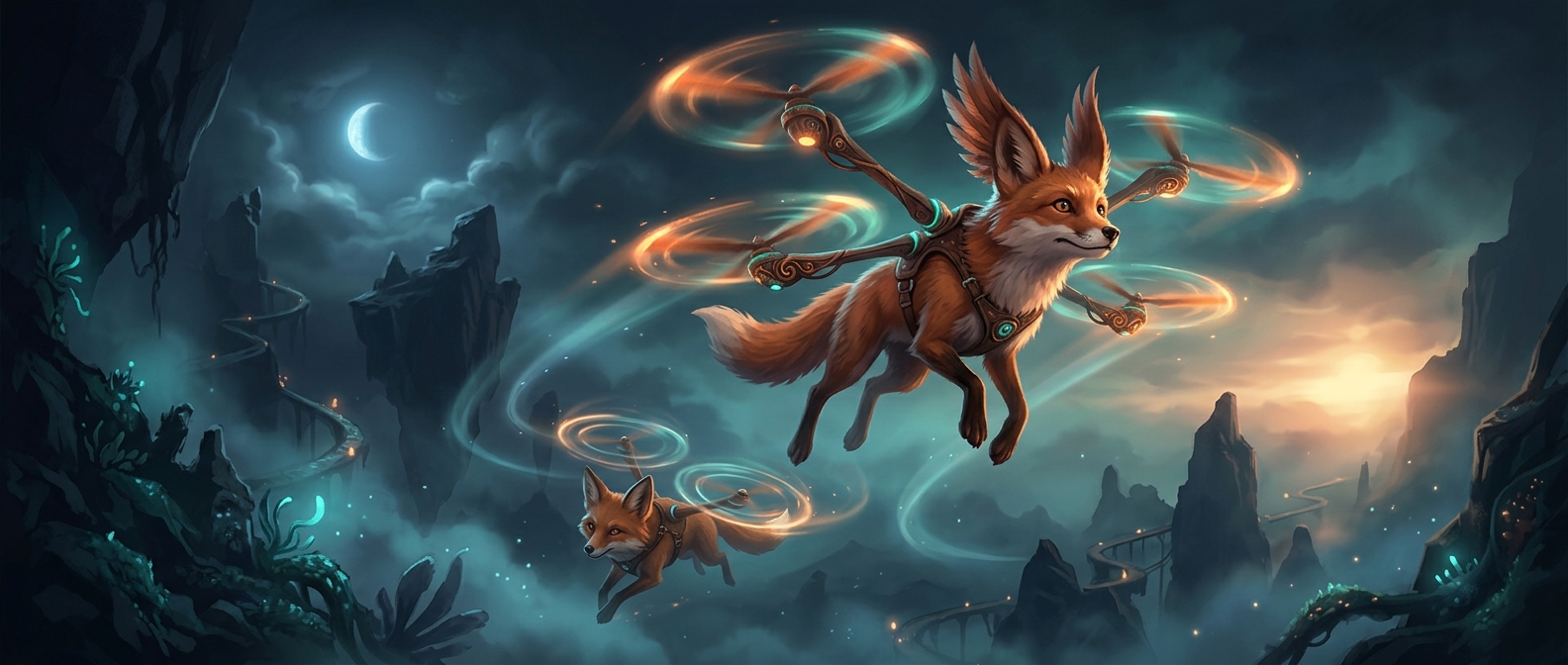
Tails’s spinning tails do more than explain how he gets off the ground: they make his flight instantly readable. A player can see the cause and effect—tails whirl, Tails rises—without needing a gauge, a machine, or a tutorial to explain the ability. The helicopter comparison turns an unusual character design into a clear piece of game language.
The animation also gives the designers a way to make flight feel active rather than like ordinary jumping with the gravity switched off. Tails has to keep his tails spinning to stay aloft, so hovering looks like an effortful action. When the spin stops, the character can descend, restoring a sense of weight and keeping the movement tied to the animation.
Flight changes the shape of a level
A character who can rise above the ground can reach ledges and routes that a running character may miss. That creates a different way to read the same scenery: a gap becomes a place to fly across, and a tall platform becomes a possible destination. In games where Tails accompanies Sonic, that mobility can also make him feel distinct from a character built around speed along the ground.
The idea works because its explanation is visible in motion. The twin tails are both character design and a control cue: players watch them spin and understand why Tails is climbing, while the game gains a simple way to offer a different path through its world.