When a Penguin Exhibit Turns Into a Recurring Bill
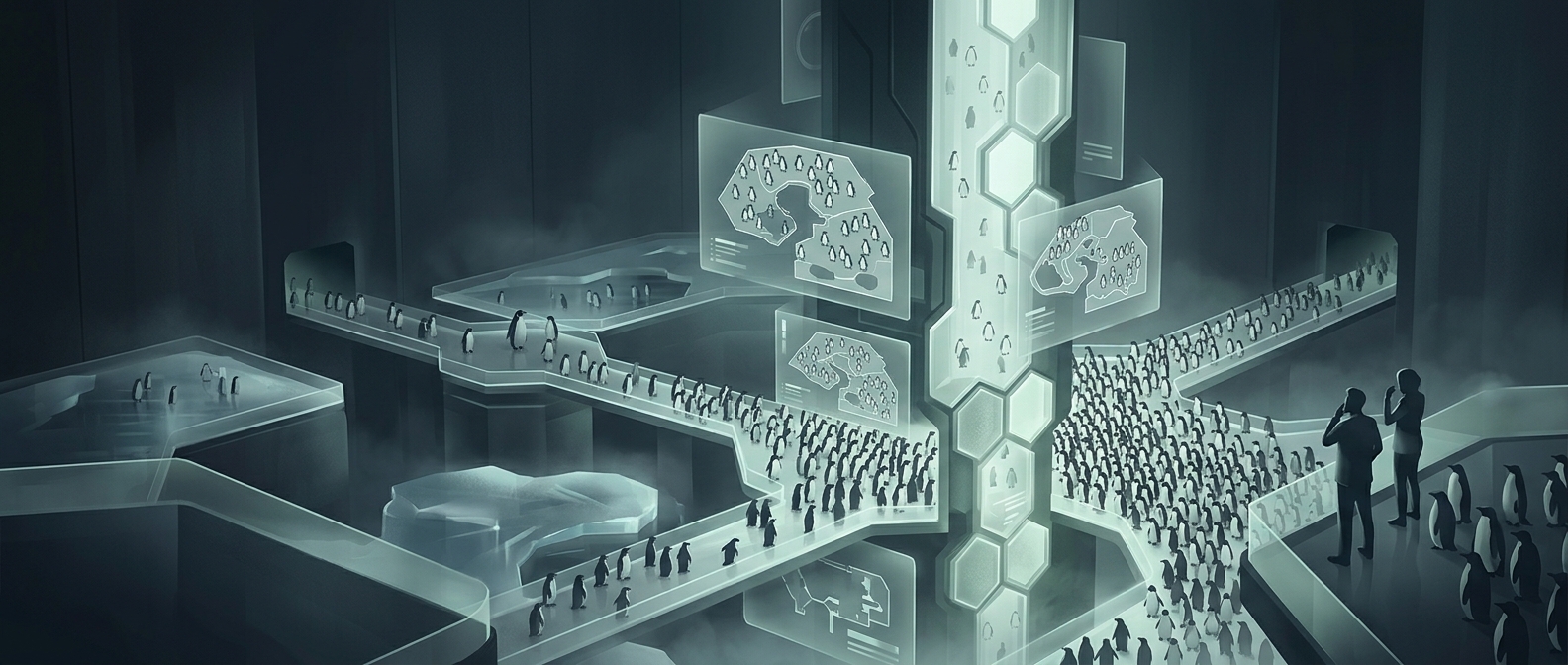
A breeding pair can look like a small, manageable commitment. But in Zoo Tycoon, every new penguin adds another animal to care for—and, in the game’s simulation, another appetite for fish. If players leave the exhibit unattended, reproduction can quietly turn one feeding expense into many.
The costly part is the feedback loop: more penguins mean more food costs; those costs reduce the park’s available cash; and the growing colony keeps generating expenses. A player can return expecting to check on an exhibit and instead find that its success has become a financial problem.
Breeding Is Also a Management Decision
The surprise comes from treating reproduction as a sign that the exhibit is simply doing well. It may be, but a growing population is not free. The game makes players account for the ongoing needs of animals they have encouraged to breed, not just the initial cost of adding them to the zoo.
That turns penguins into an unexpected lesson in simulation design: a population can become an expense faster than a player notices. The exhibit that seemed like a harmless success can keep consuming the budget one fish-filled feeding at a time.