Why a Resource Point Can Matter More Than a Battle
In many strategy games, an army is not built from a single stockpile. Players need a steady flow of resources—such as minerals, fuel, or income from captured territory—to pay for units and upgrades. Taking a gathering point can therefore hurt an opponent twice: it removes income they were using and may add that income to your own side.
The damage is often delayed. An opponent may still have troops already on the field, so the map can look unchanged for a while. But each new unit competes for a shrinking budget. Production slows, reinforcements arrive late, and upgrades may have to wait. A force that won the last fight can become weaker simply because it cannot replace its losses.
The Economic Snowball
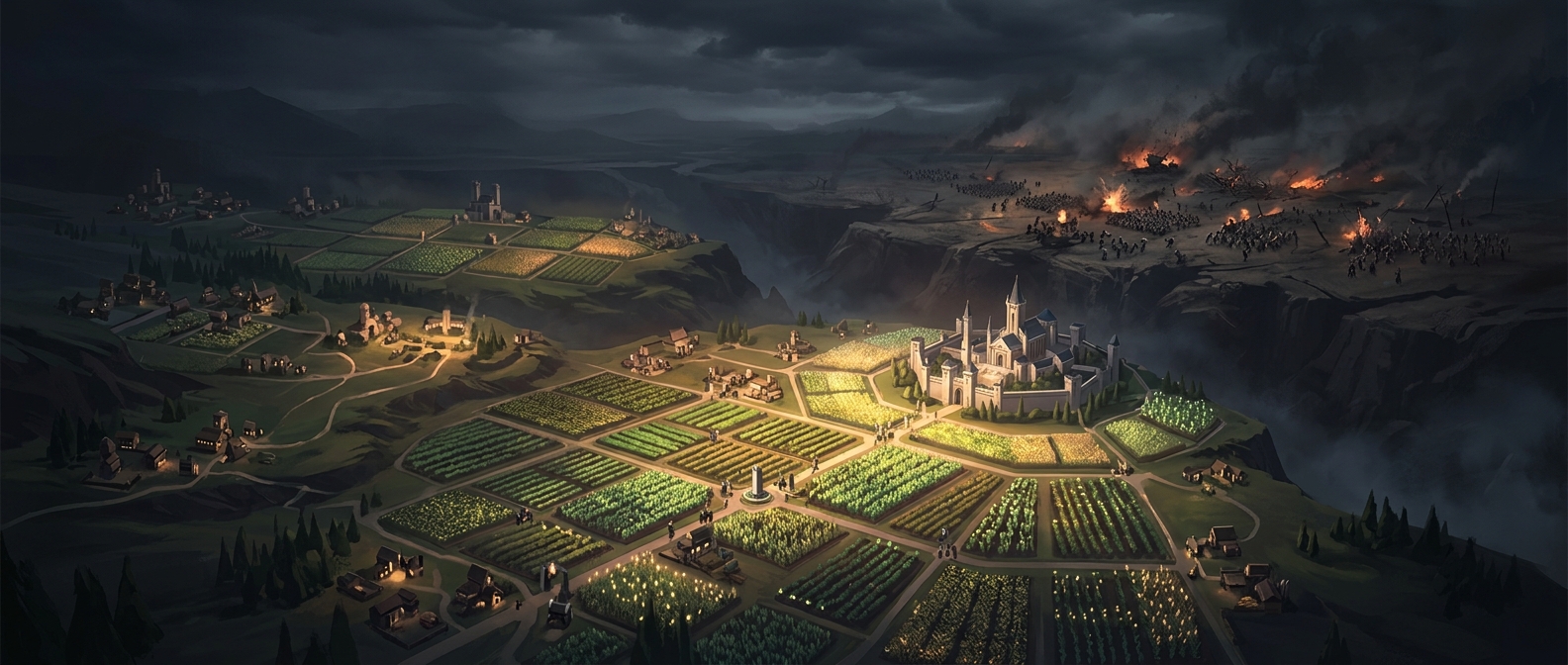
This creates a feedback loop. More income supports more units; more units make it easier to hold additional gathering points; and those points fund still more production. Losing ground can reverse the loop, leaving a player with fewer troops to retake the very locations that would restore their economy.
That is why resource control is not just a side objective. It connects territory to the pace and size of future battles. A smart attack may aim not to destroy the enemy army outright, but to force it to defend scattered income sites, spend troops on protection, and fight on unfavorable ground.
Pressure Without a Decisive Fight
The tradeoff is that capturing a point usually requires troops to leave other duties, and exposed sites can be taken back. Players must decide whether to defend a resource source, contest one elsewhere, or turn their remaining income into an immediate attack. Sometimes the most damaging move is not the spectacular assault—it is quietly cutting off the reinforcements that would have made the next defense possible.