Why One Chess Move Can Change Everything
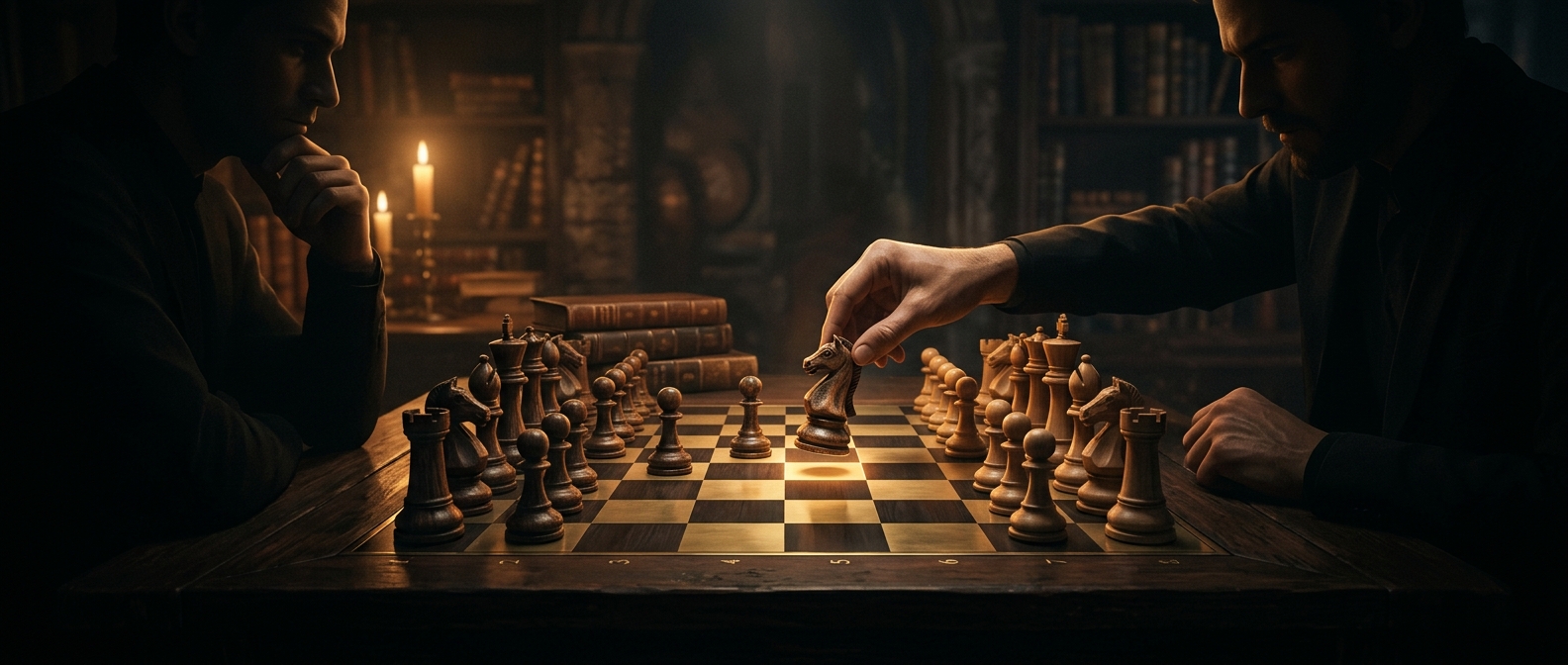
Chess makes every move visible, but not every consequence. Each piece has its own way of moving, and a player must choose a move that improves their position while accounting for the opponent’s reply. The board is small enough to survey at a glance; the number of possible sequences branching from each turn is not.
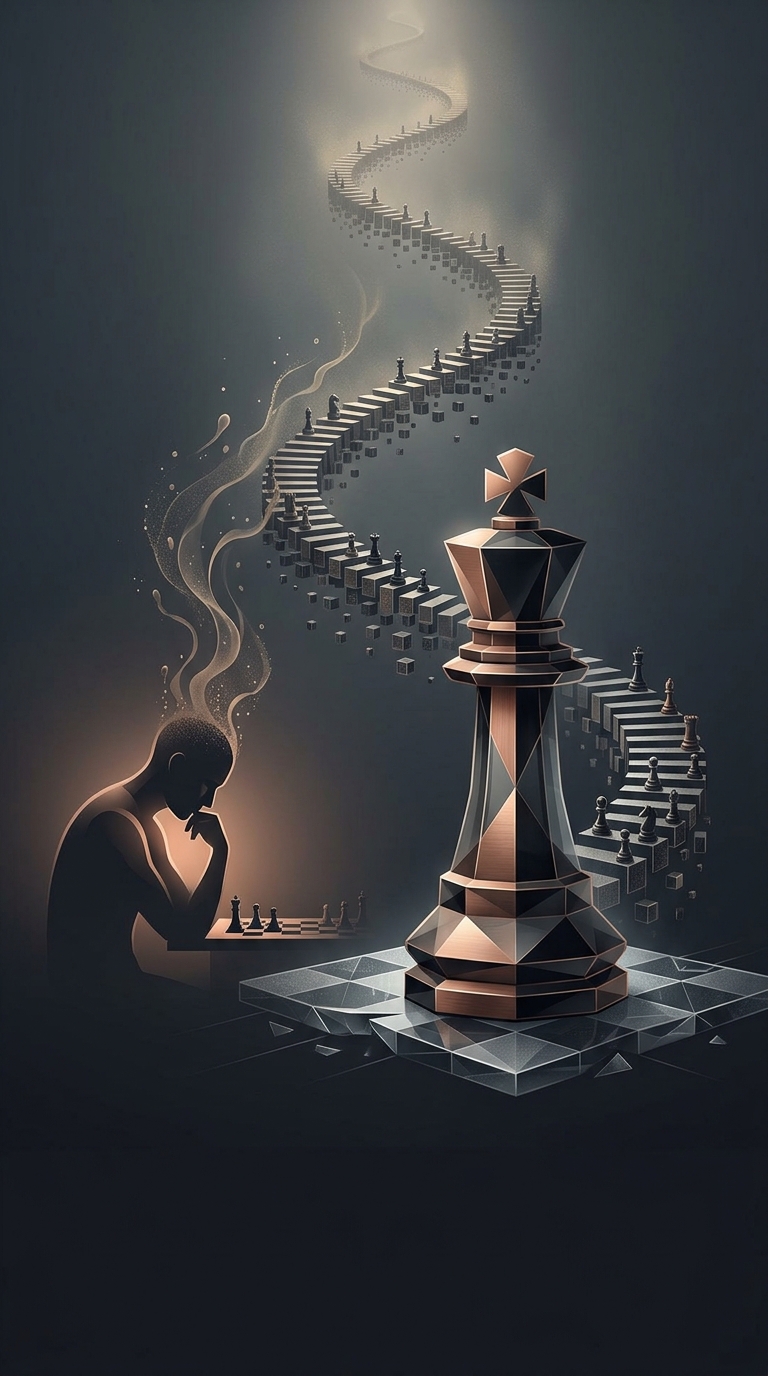
That creates a distinctive kind of pressure. A move can threaten a piece, open a line for an attack, or pull a defender away from an important square. But the same move may leave the king exposed or allow a counterattack. Players therefore do not simply ask, “What can I do?” They try to anticipate what the opponent can do next—and what they will do after that.
The Cost of a Miscalculation
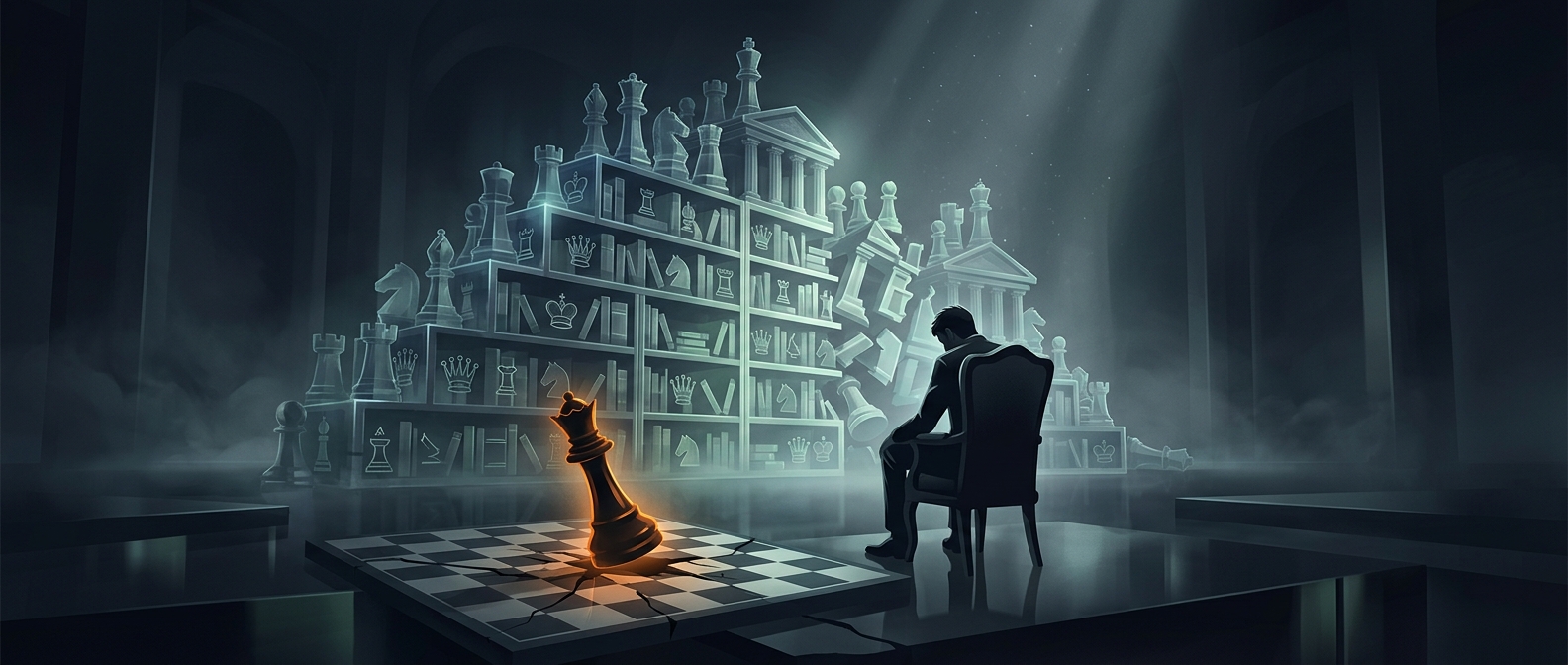
A strong position is not a guarantee of safety. A player may have more active pieces or control of useful squares, yet overlook a single tactical reply: a sequence in which one piece is threatened, pinned in place, or sacrificed to create a more damaging threat. If the opponent spots it, an advantage can disappear quickly.
The king gives those calculations their final purpose. It is not captured; instead, the game ends when it is under attack and has no legal way to escape, block the attack, or capture the attacking piece. This is checkmate. Because every move must respect that condition, even an apparently valuable gain can be a mistake if it leaves the king without protection.
Chess rewards looking beyond the move that seems strongest right now. A piece placed to attack may also be guarding a key square; moving it can quietly remove that protection. The board’s most consequential changes are often not the pieces taken, but the defenses a player has just stopped providing.