The rush attacks a deadline
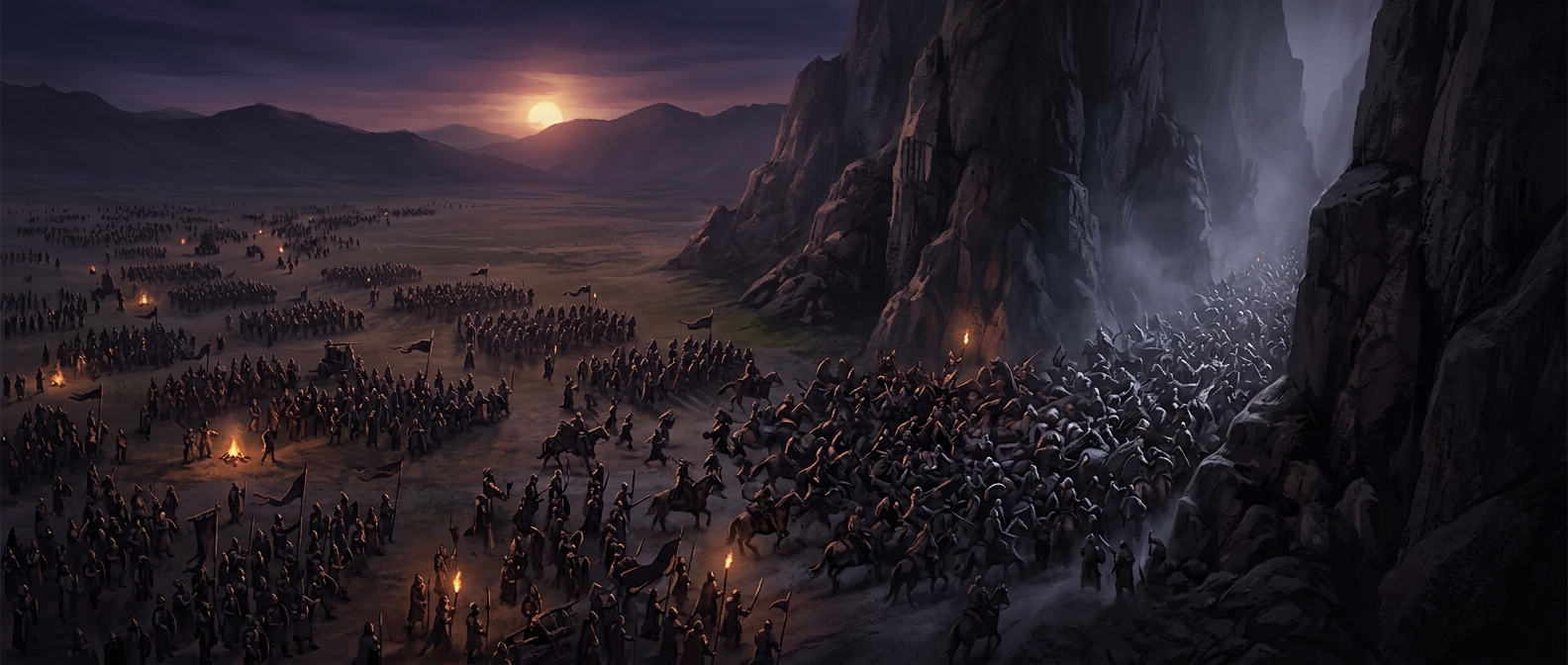
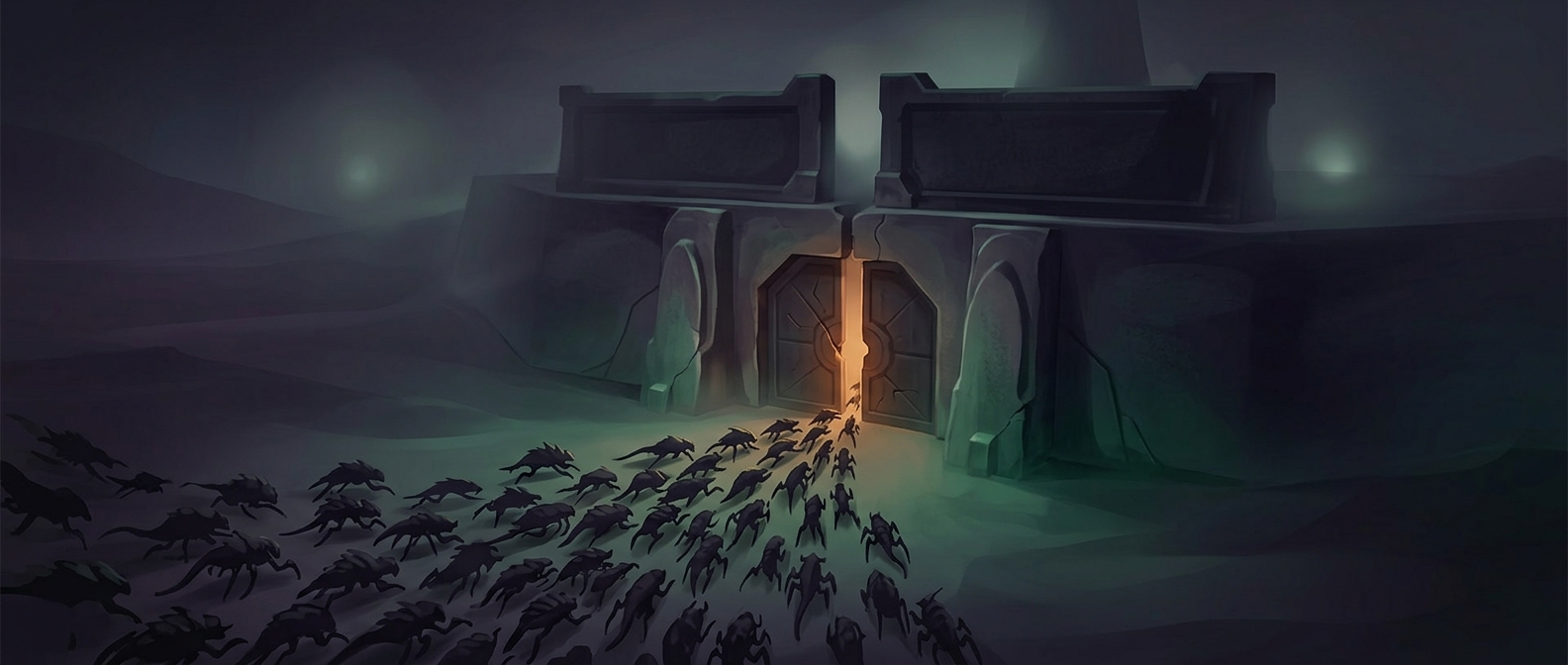
In StarCraft, a Zerg player can turn early resources into Zerglings—small, fast melee units—once a Spawning Pool unlocks them. The key advantage is not that Zerglings can defeat every early defense. It is that they can reach an opponent while that opponent is still deciding how to spend the opening minutes: on workers and resource production, or on protection.
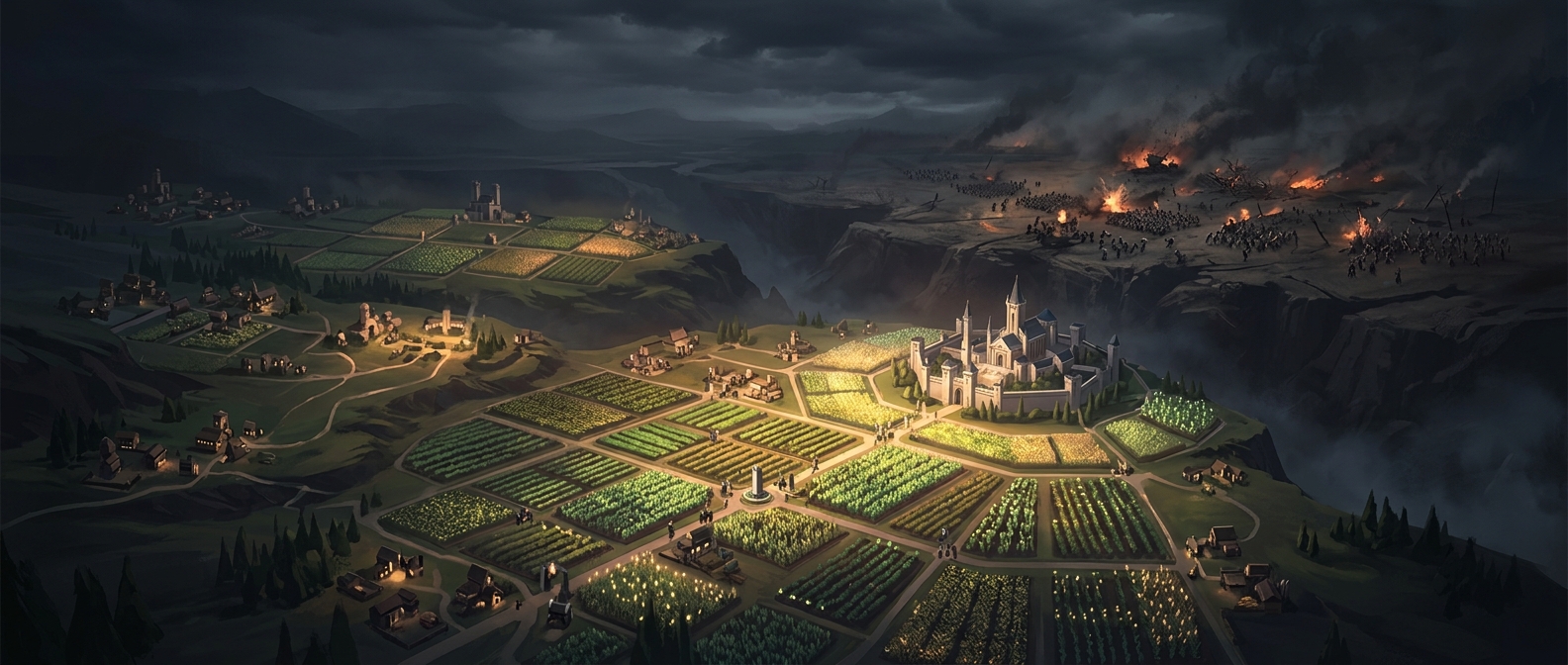
A defender who has invested in expansion and economy may have plenty of long-term potential but few units near the base. Zerglings can slip through an opening, threaten workers, or force the defender to cancel a plan and scramble for troops. Even when they do little direct damage, the threat can disrupt the opponent’s schedule.
The defender has to pay immediately
Early defenses are costly in a strategic sense: resources spent on combat units or a fortified entrance are resources not spent on workers, technology, or expansion. The rush makes the defender choose before all the information is available. Scouting—sending a unit to inspect the opponent’s base—can reveal the danger, but scouting itself takes attention and may arrive too late if the warning is missed.
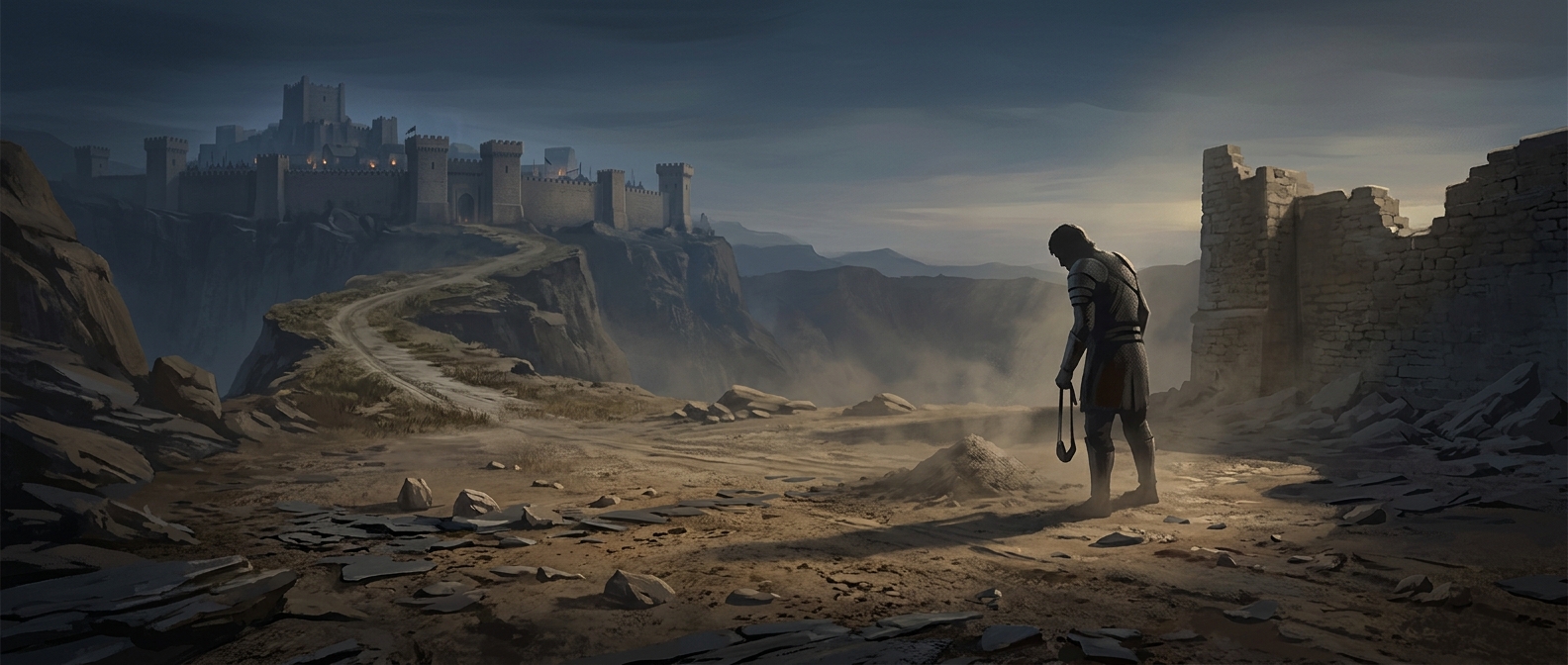
The attack is a gamble for the Zerg player, too. Committing early resources to Zerglings can slow the attacker’s own economy. If the opponent spots the rush and blocks access with units or a well-protected entrance, the Zerg may have traded away growth for little damage. The rush works by making the opponent respond to a threat before they are ready, not by guaranteeing a victory.