Why a losing defense can turn into a race
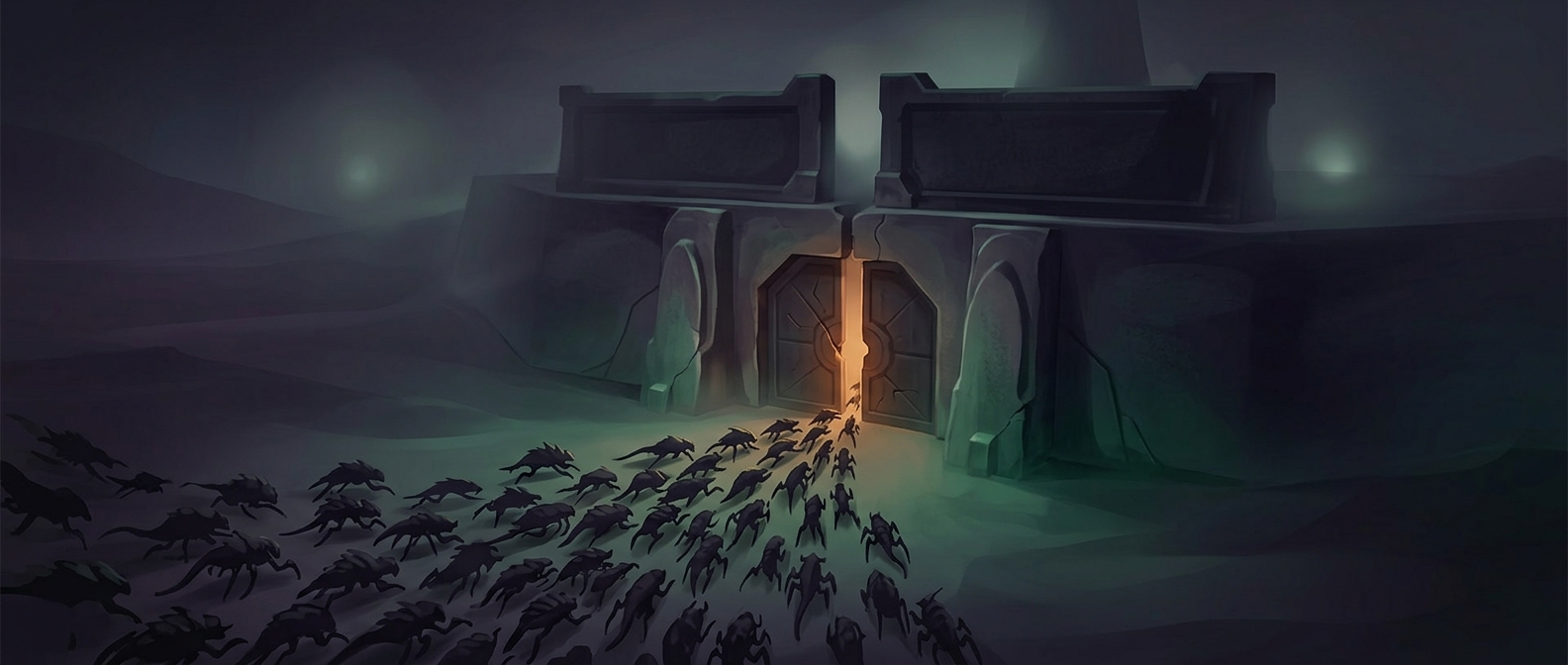
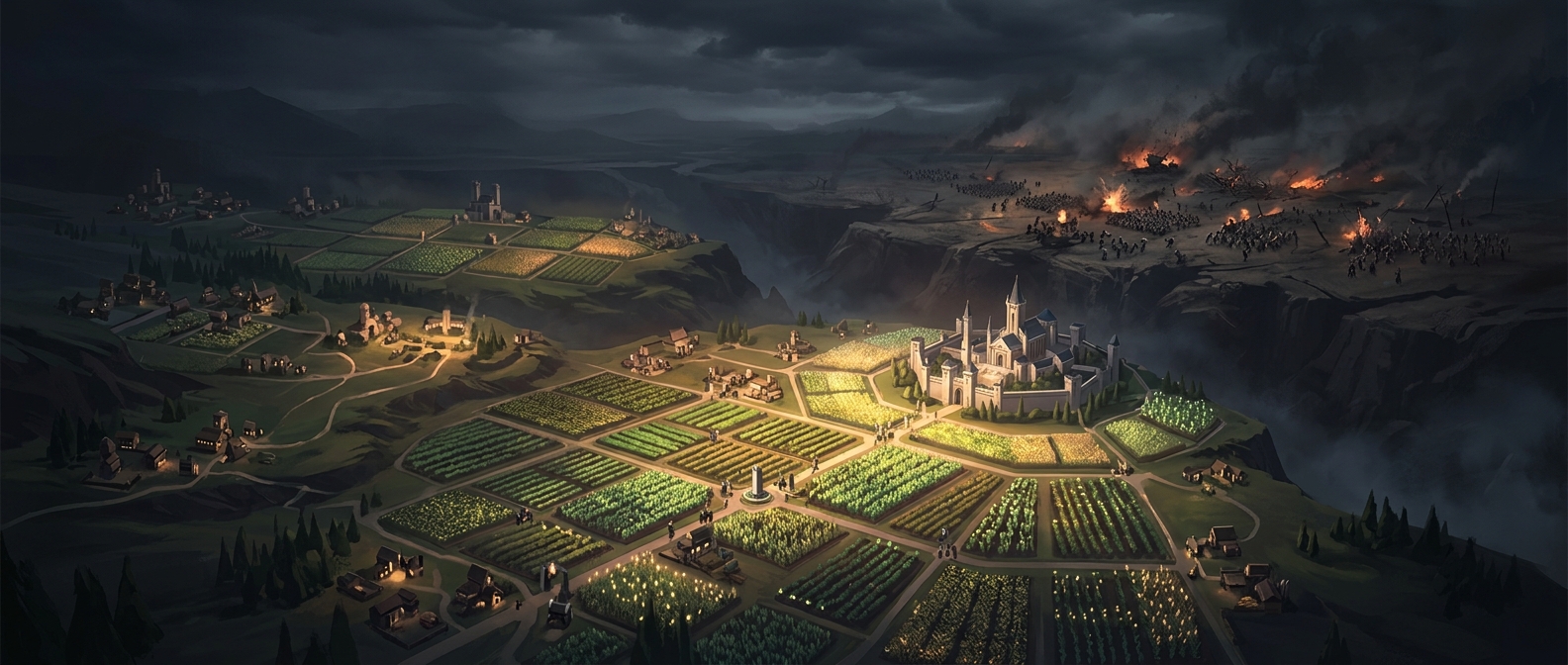
In a real-time strategy game, an army does not always need to defeat the opponent’s troops to threaten what matters. If attackers can reach and damage a base directly, a player whose defense is collapsing may choose to send surviving units toward the enemy base instead of spending them on a fight they are unlikely to win.
That choice changes the question from “Who has the stronger army?” to “Whose base falls first?” A force that is too weak to win a battle may still be dangerous if it can deal enough damage before the other player can respond.
The threat is the point
Once both players make that calculation, each has a reason to keep advancing. Turning back to defend may save a base, but it also gives the opponent’s attack more time. Pressing forward preserves the chance of a simultaneous knockout—or of destroying the enemy base moments before one’s own falls.
The standoff is therefore not necessarily a failure to notice the other army. It can be a deliberate exchange: each player accepts damage at home because interrupting the race could be even worse. The outcome depends on practical details such as distance, how quickly each force can damage a base, and whether either player can spare units to defend without losing the attack.
A different kind of endgame
This creates a tense finish in which the armies may pass one another rather than clash. The decisive contest is no longer over the battlefield they share, but over the time each side has left. A few seconds of extra damage—or a small detour to defend—can decide which base survives.