A Button Becomes a Gesture
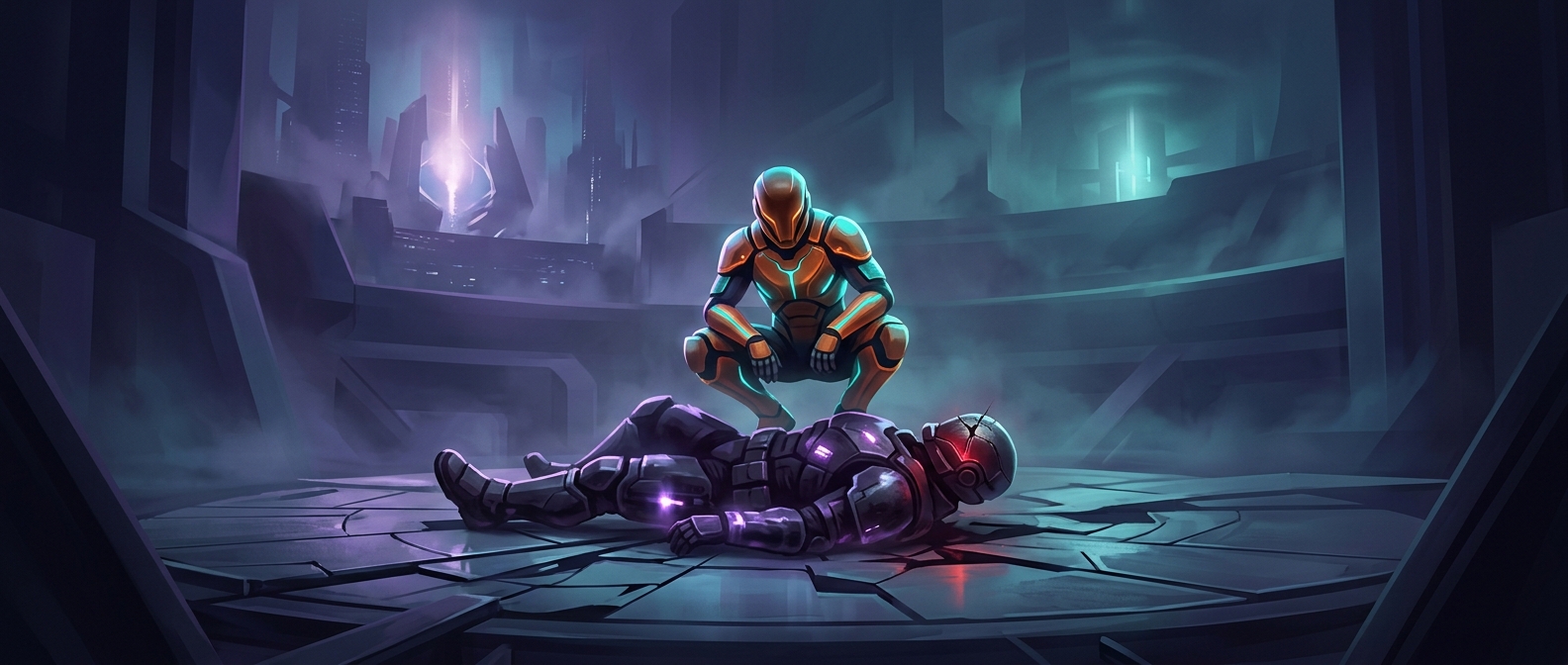
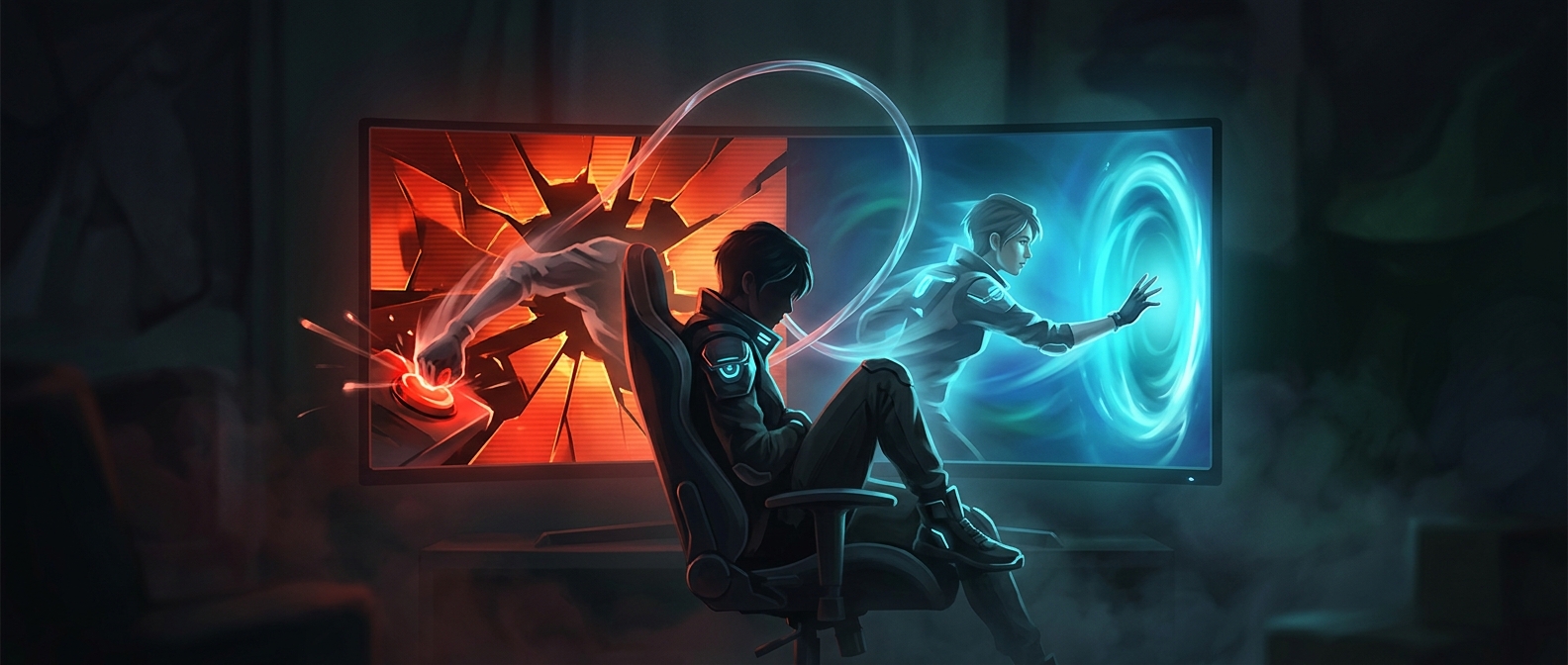
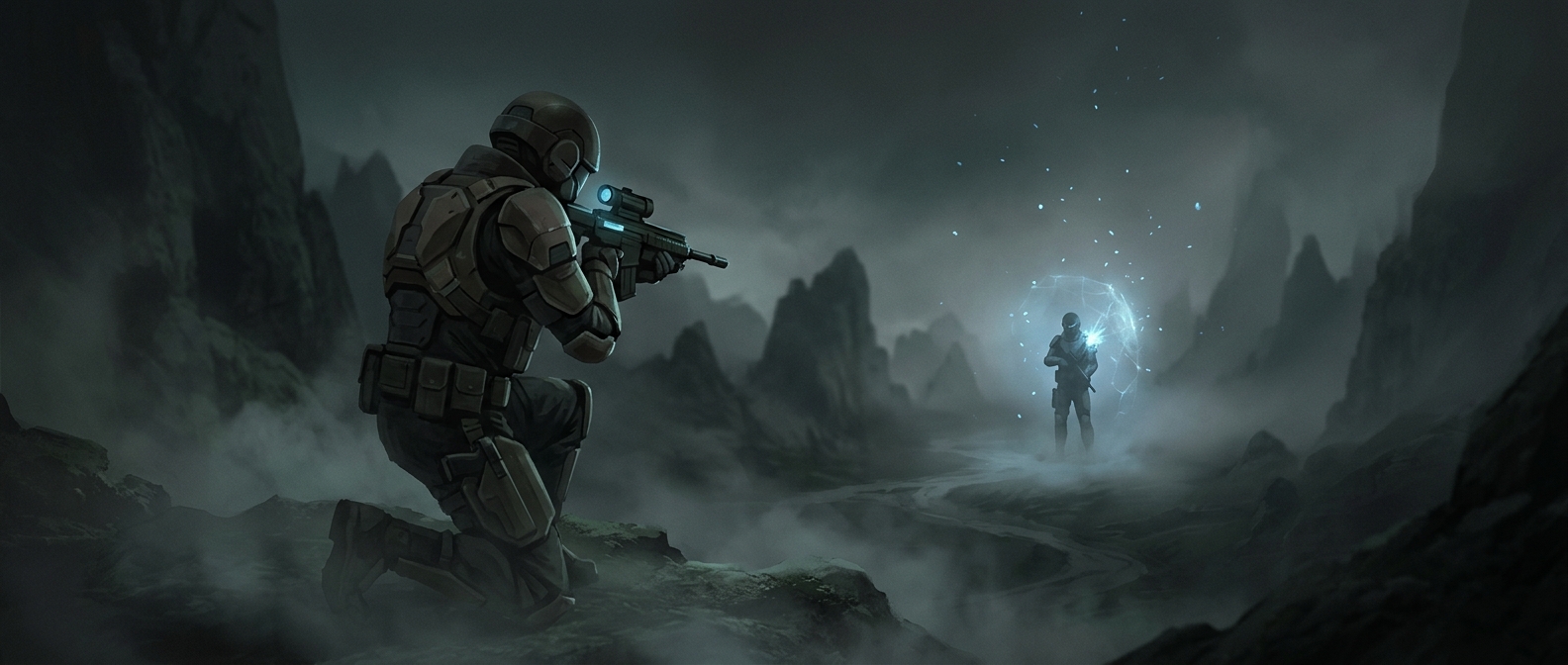
In a multiplayer game, crouching is usually a movement action: it lowers a character, changes their silhouette, and may help them duck behind cover. Because the animation is visible to nearby players, the same button can also communicate something without a microphone or a text message.
That signal is cheap to send. A player can tap crouch while moving, keep watching the surroundings, and return to play immediately. By contrast, typing takes attention away from the screen, and voice chat may be unavailable or unwelcome. The game’s controls supply a gesture players can reuse in the moment.
Repetition Gives It Meaning
One crouch can be hard to interpret. A player might be taking cover, adjusting position, or simply pressing the wrong button. Repeating the motion makes it look deliberate, so other players are more likely to read it as a social signal rather than ordinary movement.
The meaning comes from context, not from a built-in dictionary. Near a teammate, a quick sequence may feel like a greeting or thanks; during a tense encounter, the same movement can look like a request to hold fire. Players learn these readings by seeing how others respond, then carry the convention into later matches.
A Small Gesture, With Limits
Crouching works best at close range, where the animation is easy to see and the moment is clear. It is also ambiguous: different players may read the same motion differently, and an opponent may ignore it altogether. That uncertainty is part of why the gesture stays brief rather than replacing explicit communication.
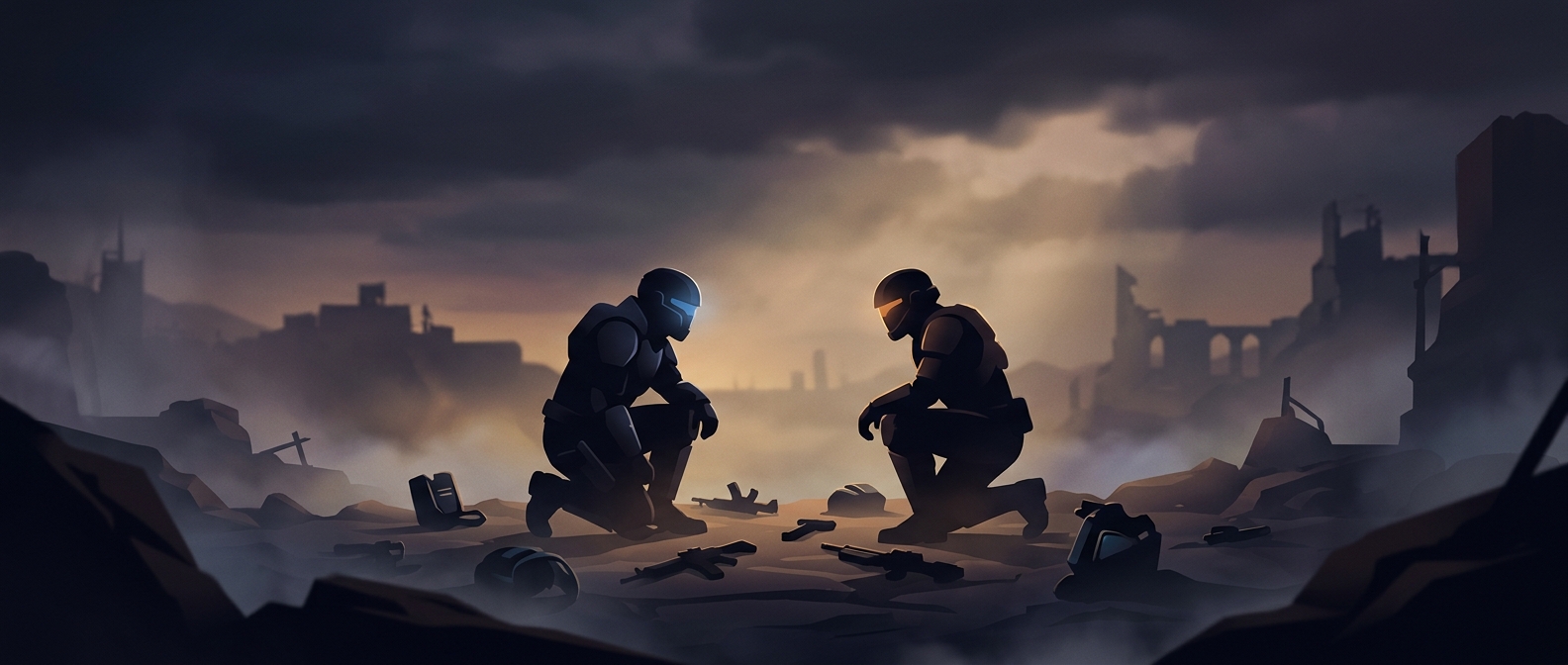
The result is a tiny social layer built from a movement command. A character dips out of sight for a fraction of a second, but to another player that motion can change the tone of an encounter—from purely competitive to briefly cooperative.