The Exit Is Easier Than the Escape
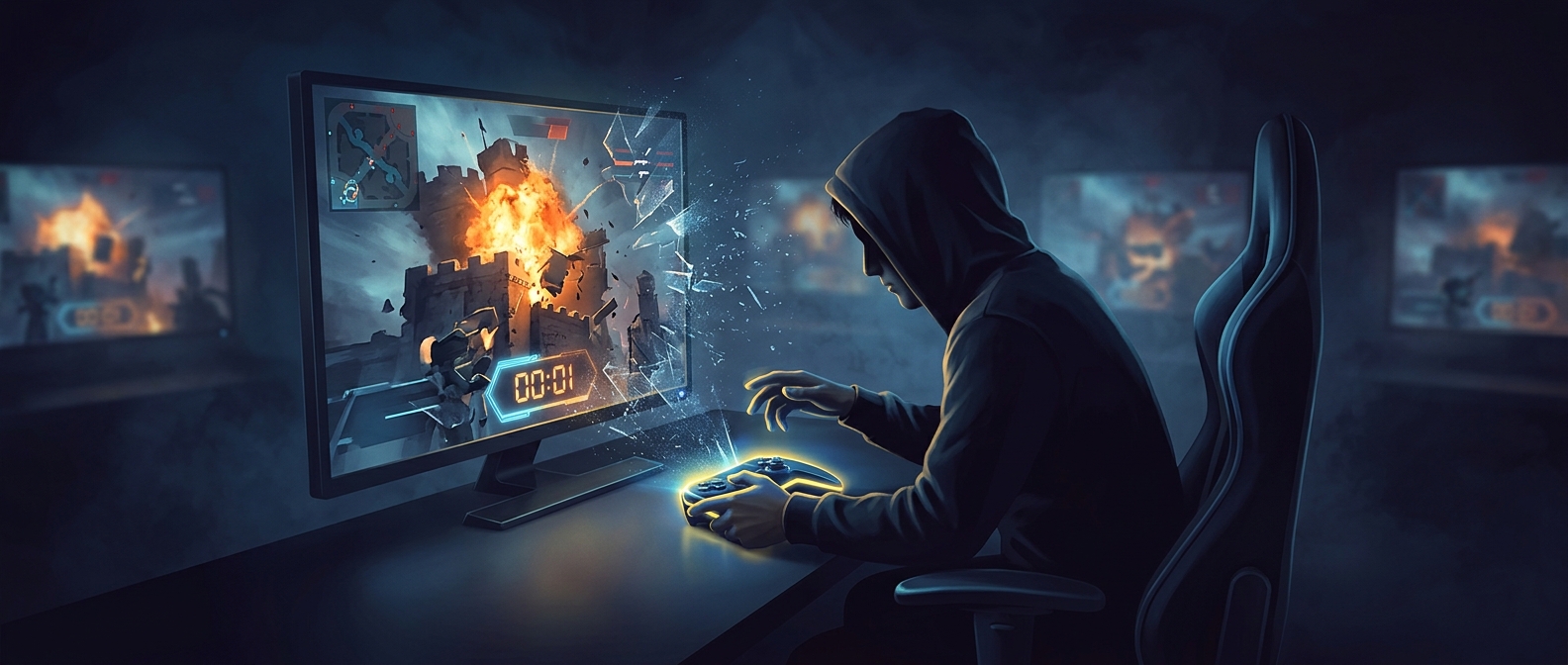
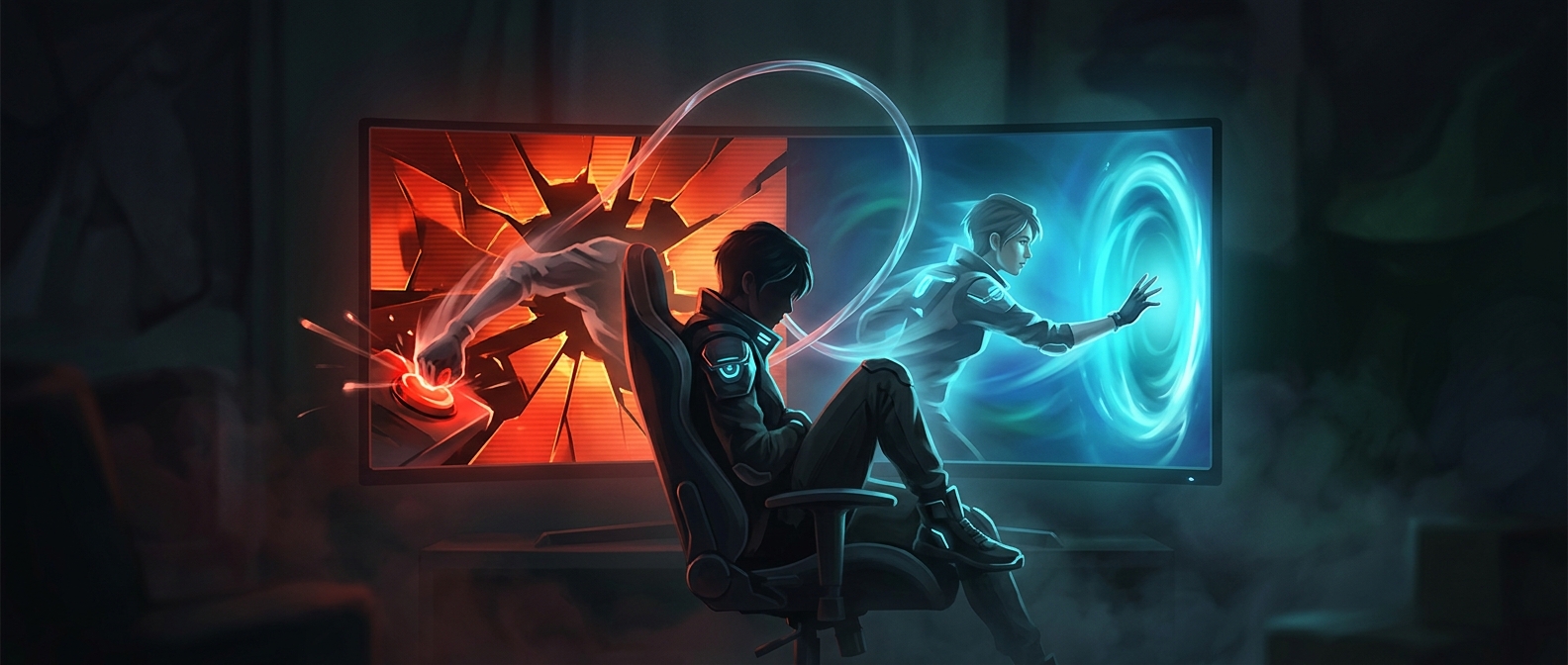
A rage-quit is a tiny act of theater: the player makes a decisive gesture before deciding what to do next. On a computer, Alt+F4 can close a game almost instantly, turning frustration into a clean break—or at least making it look like one.
But closing a window does not necessarily end the unfinished business that caused the anger. The difficult level is still there; the match may still be underway; the player still wants the win that just slipped away. If returning takes only a click, the barrier between quitting and continuing is barely a barrier at all.
Why the Four Seconds Work
The joke depends on the gap between the force of the reaction and the smallness of its consequences. Slamming the exit key feels final in the moment, but reopening the game can undo the gesture almost immediately. The player gets a brief show of defiance without having to give up the goal—or admit that the outburst has passed.
That makes the turnaround recognizable to anyone who has stepped away from a frustrating task, only to return as soon as the first wave of irritation fades. In a game, the transition can be especially quick: the same screen, challenge, or unfinished match is waiting on the other side of the click. The four seconds are not a stopwatch claim; they are comic shorthand for how little time it can take for anger to lose to the urge to play again.